THE ADVENTURE COLLECTIVE® · Independent discovery and booking for outdoor travel

Drive across wind‑scoured valleys to Muktinath, wander apple terraces and Tibetan gompas, and stand under Himalayan peaks on a luxury Lower Mustang route. This trip combines high‑altitude culture with dramatic desert geology and pilgrimage rituals.
Drive across wind‑scoured valleys to Muktinath, wander apple terraces and Tibetan gompas, and stand under Himalayan peaks on a luxury Lower Mustang route. This trip combines high‑altitude culture with dramatic desert geology and pilgrimage rituals.
You arrive where the road thins and the world becomes wind-carved: gullied cliffs rise in banded ochres, apple trees cling to terraces, and a high blue sky pushes hard against the ridgelines. The air tastes dry and mineral; a few prayer flags snap like distant percussion as you drive toward Muktinath and the lower reaches of Mustang.
Verified experiences and guided adventures in the surrounding area.
Operated by Travel Maker South Asia Pvt.Ltd · Jomsom, Gandaki Province
You arrive where the road thins and the world becomes wind-carved: gullied cliffs rise in banded ochres, apple trees cling to terraces, and a high blue sky pushes hard against the ridgelines. The air tastes dry and mineral; a few prayer flags snap like distant percussion as you drive toward Muktinath and the lower reaches of Mustang.
This corridor once belonged to an independent Himalayan kingdom that kept close cultural ties to Tibet. Geologically, Mustang sits in a rain-shadowed pocket of the Tibetan plateau—millions of years of uplift and erosion produced the desert-like valleys and sheer cliffs you pass on winding jeep tracks. Local life centers on barley and buckwheat fields, seasonal apples, flat-stone houses, and small gompas stacked into the hills.
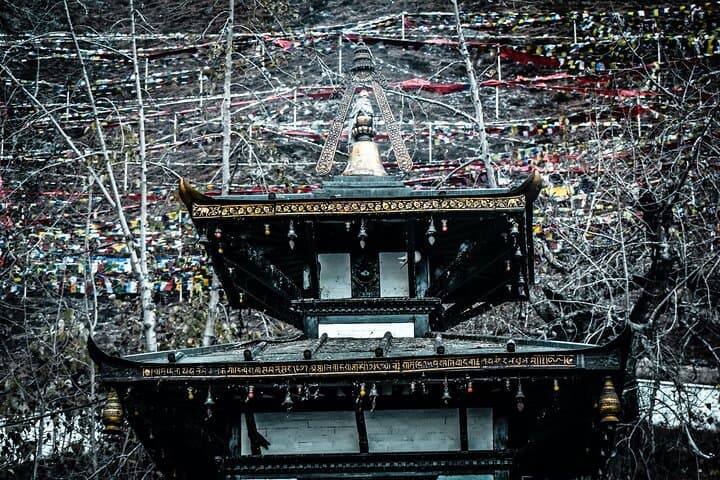
Muktinath is both pilgrimage and panorama: the temple complex with its 108 taps, the pious baths and nearby Jawala Ji spring speak to layered Hindu and Buddhist practice. Beyond the shrine, cave monasteries and ruined forts punctuate the ridge lines.
Practically, this is a high-altitude road-and-light-hike itinerary—expect long jeep days, unpaved passes, and altitudes around 3,700–3,800 m. Acclimatize in Pokhara or Jomsom, carry permits (often arranged), and pack sun protection, warm layers for cold nights, and good walking shoes for short climbs to gompas. Travel windows run best in autumn and spring when skies clear; the monsoon renders roads unreliable. Respect pilgrimage routines at Muktinath and minimize waste in this fragile landscape. With preparation, the trip balances cultural depth and dramatic high‑desert scenery—an accessible, memorable immersion into Mustang’s rare, wind-sculpted world.
moderate.
6 days.
Suitable for travelers in average fitness; able to handle long vehicle days and short hikes at altitude.
Yes—restricted area permits are required for Mustang; most operators handle them but you must provide passport details in advance.
Muktinath sits around 3,700–3,800 m; altitude symptoms are possible, so acclimatize, hydrate and ascend gradually.
Yes—this luxury itinerary relies on private transport with short walks to viewpoints and gompas rather than multi-day trekking.
Autumn (Sept–Nov) and spring (Mar–May) provide the most stable weather and clear mountain views; avoid peak monsoon months.
Mustang retained an autonomous kingdom and close cultural links to Tibet until the late 20th century, preserving Tibetan Buddhist customs and a distinct local monarchy.
Mustang’s high‑altitude desert is ecologically fragile; minimize waste, avoid single‑use plastics and respect pilgrimage sites to reduce cultural and environmental impact.
Travel Maker South Asia Pvt.Ltd operates guided outdoor trips and adventures with an emphasis on safety, stewardship, and memorable experiences.
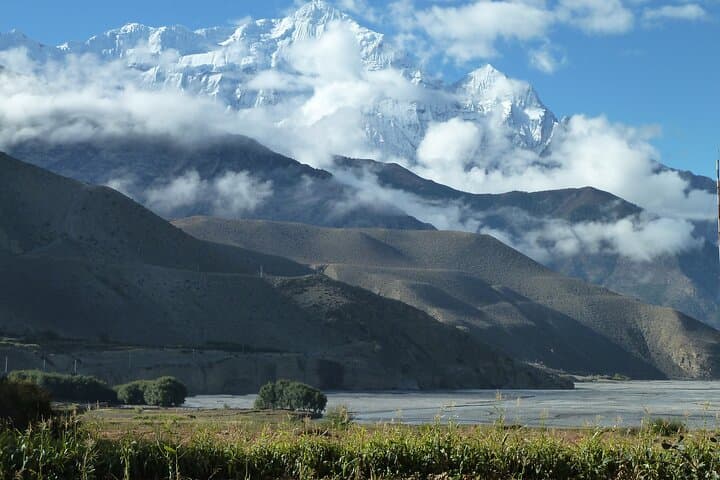
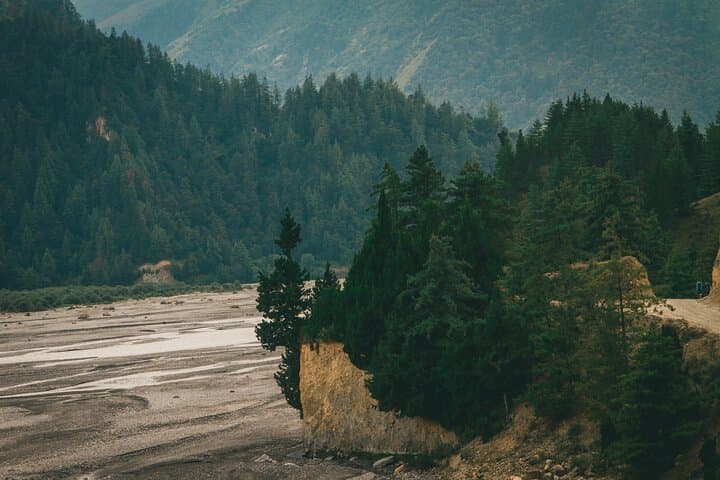
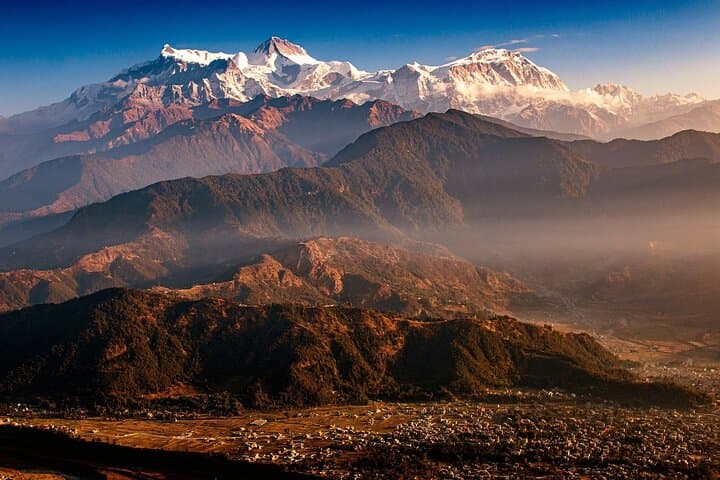
You arrive where the road thins and the world becomes wind-carved: gullied cliffs rise in banded ochres, apple trees cling to terraces, and a high blue sky pushes hard against the ridgelines. The air tastes dry and mineral; a few prayer flags snap like distant percussion as you drive toward Muktinath and the lower reaches of Mustang.
You arrive where the road thins and the world becomes wind-carved: gullied cliffs rise in banded ochres, apple trees cling to terraces, and a high blue sky pushes hard against the ridgelines. The air tastes dry and mineral; a few prayer flags snap like distant percussion as you drive toward Muktinath and the lower reaches of Mustang.
This corridor once belonged to an independent Himalayan kingdom that kept close cultural ties to Tibet. Geologically, Mustang sits in a rain-shadowed pocket of the Tibetan plateau—millions of years of uplift and erosion produced the desert-like valleys and sheer cliffs you pass on winding jeep tracks. Local life centers on barley and buckwheat fields, seasonal apples, flat-stone houses, and small gompas stacked into the hills.
Muktinath is both pilgrimage and panorama: the temple complex with its 108 taps, the pious baths and nearby Jawala Ji spring speak to layered Hindu and Buddhist practice. Beyond the shrine, cave monasteries and ruined forts punctuate the ridge lines.
Practically, this is a high-altitude road-and-light-hike itinerary—expect long jeep days, unpaved passes, and altitudes around 3,700–3,800 m. Acclimatize in Pokhara or Jomsom, carry permits (often arranged), and pack sun protection, warm layers for cold nights, and good walking shoes for short climbs to gompas. Travel windows run best in autumn and spring when skies clear; the monsoon renders roads unreliable. Respect pilgrimage routines at Muktinath and minimize waste in this fragile landscape. With preparation, the trip balances cultural depth and dramatic high‑desert scenery—an accessible, memorable immersion into Mustang’s rare, wind-sculpted world.