THE ADVENTURE COLLECTIVE® · Independent discovery and booking for outdoor travel

Explore the Great Pyramid, Sphinx and Valley Temple on a private, air-conditioned guided day tour that combines historical interpretation with streamlined logistics. Ideal for first-time visitors who want context, photos and efficient access to Giza’s major sites.
Explore the Great Pyramid, Sphinx and Valley Temple on a private, air-conditioned guided day tour that combines historical interpretation with streamlined logistics. Ideal for first-time visitors who want context, photos and efficient access to Giza’s major sites.
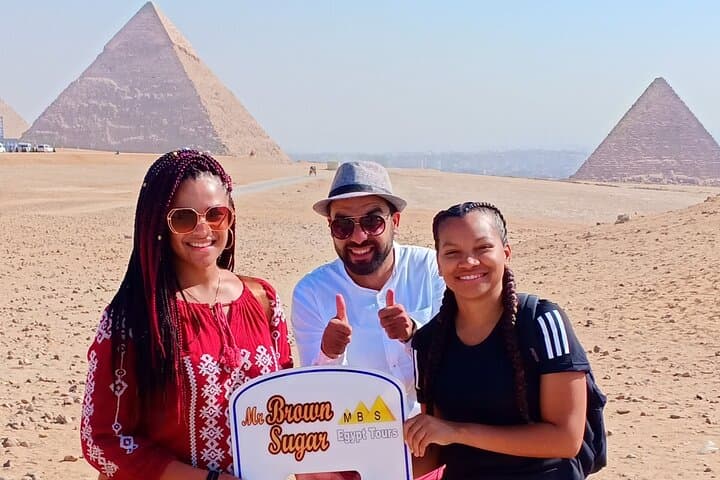
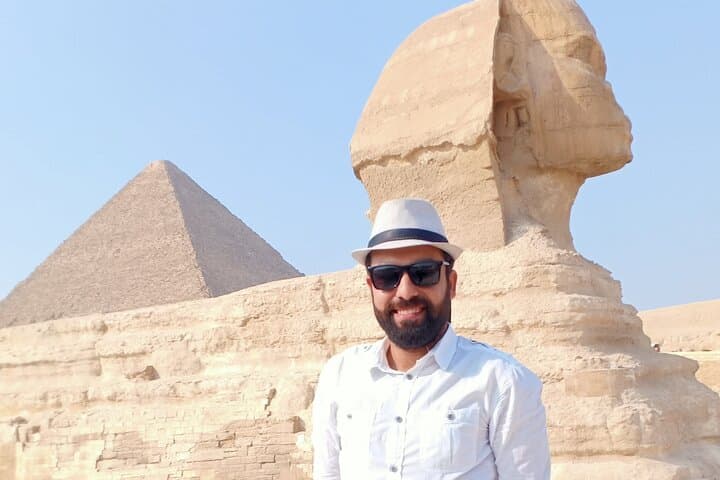
A dry wind lifts grit off the plateau as the first view of the Great Pyramid resolves from the road—massive blocks catching the sun like pages from a stone chronicle. On a luxury guided day tour, guests arrive in air-conditioned comfort, step onto sun-warmed limestone, and move through the site with a local Egyptologist pointing out construction choices and contested theories.
Verified experiences and guided adventures in the surrounding area.
Operated by mr-brown-sugar-egypt-tours · Giza, Giza Governorate
A dry wind lifts grit off the plateau as the first view of the Great Pyramid resolves from the road—massive blocks catching the sun like pages from a stone chronicle. On a luxury guided day tour, guests arrive in air-conditioned comfort, step onto sun-warmed limestone, and move through the site with a local Egyptologist pointing out construction choices and contested theories.
The Giza Plateau holds structures from Egypt’s Fourth Dynasty (circa 2600–2500 BCE): Khufu’s monumental pyramid, its slightly smaller neighbors, and the carved Sphinx that faces the Nile floodplain. Geologically the plateau is a band of Eocene limestone overlying chalk and sandstone; builders quarried these beds to shape chambers, ramps, and casing blocks. Culturally, the site is part living neighborhood and part archaeological reserve—modern Cairo presses close while ancient stone keeps its measured silence.
Expect guided stops at the three major pyramids, the Sphinx and the nearby Valley Temple; some tours include the Solar Boat Museum and panoramic viewpoints. Time on-site is mostly on uneven stone, open to the sun; guides often handle tickets and logistics so you can focus on interpretation and photos.
Practical notes: travel early to avoid heat and crowds, carry at least 1–2 liters of water, and wear closed shoes for gritty surfaces. Photography is excellent but climbing the monuments is prohibited. Camel rides and closer photo ops are available from local operators—agree prices beforehand. With planning, a private, air-conditioned tour delivers rich context and efficient access to one of the world’s oldest, most studied landscapes.
moderate.
4–5 hours.
Suitable for most fitness levels but requires walking on uneven ground and standing; heat tolerance recommended.
Not always—many private tours can include entry fees as an option; confirm at booking to avoid onsite purchases.
Camel rides are usually conducted by local vendors and are not included by default; negotiate price beforehand if you plan to ride.
Key viewpoints are reachable but much of the plateau has uneven terrain and limited wheelchair access; enquire about vehicle drop-off options prior to arrival.
Access to the interior is limited, subject to ticket availability and conservation rules; many tours provide exterior interpretation instead.
The major pyramids date to Egypt’s Fourth Dynasty (c. 2600–2500 BCE), built as royal tomb complexes for Khufu, Khafre and Menkaure.
The site faces pressure from tourism, urban encroachment and air pollution; regulations prohibit climbing the monuments and emphasize staying on designated paths to reduce wear.
mr-brown-sugar-egypt-tours operates guided outdoor trips and adventures with an emphasis on safety, stewardship, and memorable experiences.

A dry wind lifts grit off the plateau as the first view of the Great Pyramid resolves from the road—massive blocks catching the sun like pages from a stone chronicle. On a luxury guided day tour, guests arrive in air-conditioned comfort, step onto sun-warmed limestone, and move through the site with a local Egyptologist pointing out construction choices and contested theories.
A dry wind lifts grit off the plateau as the first view of the Great Pyramid resolves from the road—massive blocks catching the sun like pages from a stone chronicle. On a luxury guided day tour, guests arrive in air-conditioned comfort, step onto sun-warmed limestone, and move through the site with a local Egyptologist pointing out construction choices and contested theories.
The Giza Plateau holds structures from Egypt’s Fourth Dynasty (circa 2600–2500 BCE): Khufu’s monumental pyramid, its slightly smaller neighbors, and the carved Sphinx that faces the Nile floodplain. Geologically the plateau is a band of Eocene limestone overlying chalk and sandstone; builders quarried these beds to shape chambers, ramps, and casing blocks. Culturally, the site is part living neighborhood and part archaeological reserve—modern Cairo presses close while ancient stone keeps its measured silence.
Expect guided stops at the three major pyramids, the Sphinx and the nearby Valley Temple; some tours include the Solar Boat Museum and panoramic viewpoints. Time on-site is mostly on uneven stone, open to the sun; guides often handle tickets and logistics so you can focus on interpretation and photos.
Practical notes: travel early to avoid heat and crowds, carry at least 1–2 liters of water, and wear closed shoes for gritty surfaces. Photography is excellent but climbing the monuments is prohibited. Camel rides and closer photo ops are available from local operators—agree prices beforehand. With planning, a private, air-conditioned tour delivers rich context and efficient access to one of the world’s oldest, most studied landscapes.