THE ADVENTURE COLLECTIVE® · Independent discovery and booking for outdoor travel

Learn to make two styles of gnocchi in an intimate Baltimore workshop: classic potato gnocchi with pesto cream and Parisian gnocchi with butternut purée and garlic shrimp. Small class size, hands-on technique, and a curated three-course meal make this a practical and delicious culinary lesson.
Learn to make two styles of gnocchi in an intimate Baltimore workshop: classic potato gnocchi with pesto cream and Parisian gnocchi with butternut purée and garlic shrimp. Small class size, hands-on technique, and a curated three-course meal make this a practical and delicious culinary lesson.
The room smells of butter and warm potato; a chef calls out a rhythm of flour, press, and pan. In this intimate Baltimore workshop you shape gnocchi the way generations of cooks have—small, deliberate movements that turn a handful of ingredients into pillowy bites. The class takes place in a city where immigrant kitchens rewrote local food culture: from Little Italy’s pasta shops to French-influenced dining rooms, Baltimore’s culinary identity is practical, bold, and centered on craft.
Verified experiences and guided adventures in the surrounding area.
Operated by Cozymeal Cooking Classes · Baltimore, Maryland
The room smells of butter and warm potato; a chef calls out a rhythm of flour, press, and pan. In this intimate Baltimore workshop you shape gnocchi the way generations of cooks have—small, deliberate movements that turn a handful of ingredients into pillowy bites. The class takes place in a city where immigrant kitchens rewrote local food culture: from Little Italy’s pasta shops to French-influenced dining rooms, Baltimore’s culinary identity is practical, bold, and centered on craft.
Geology and landscape have less to do with the dish than trade and migration: Italian potato techniques arrived with 20th-century immigrants, while Parisian culinary refinements traveled along different tables. The class highlights both traditions — classic potato gnocchi with basil-Parmesan pesto cream and a Parisian-style version with butternut purée and garlic shrimp — so you can compare texture and seasoning.
Expect hands-on instruction, a cheeseboard starter, and guided plating in a small group limited to eight guests. The chef demonstrates dough hydration, shaping methods, and quick sautéing in brown butter; you practice under direct supervision. Practical takeaways include timing for cooking gnocchi so they don’t overcook, adjusting sauce consistency, and plating techniques for a three-course flow.
For planning: arrive 10–15 minutes early, notify instructors about dietary needs ahead of the class, and wear closed-toe shoes. Bring a bottle of wine if you like: the venue welcomes outside beverages. The experience blends technique, tasting, and convivial dining — an efficient, flavorful way to add a reliable gnocchi recipe to your repertoire.
easy.
2 hours.
No special fitness required; participants should be able to stand and move for the duration of the class.
Classes are limited to a small group—typically up to 8 guests—so you get hands-on instruction and personalized feedback.
Yes, guests are welcome to bring a bottle to enjoy with the meal; check local rules about corkage and drink sharing.
Yes—inform the host in advance during booking and the chef will do their best to adapt recipes for allergies or preferences.
For a full refund cancel at least 24 hours before the scheduled start time; same-day cancellations are typically non-refundable.
Baltimore’s food scene reflects waves of immigration—Italian neighborhoods and French techniques have shaped local pasta and pastry traditions.
Chefs in the city increasingly source seasonal Mid-Atlantic produce and advocate minimizing food waste; bring reusable containers for leftovers when possible.
Cozymeal Cooking Classes operates guided outdoor trips and adventures with an emphasis on safety, stewardship, and memorable experiences.
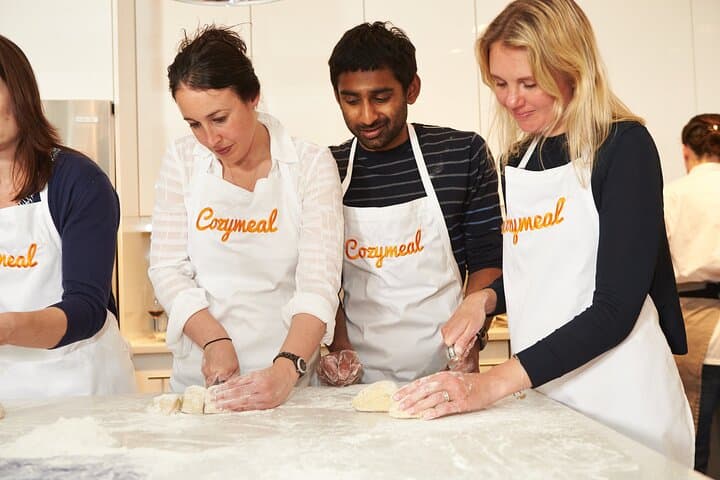
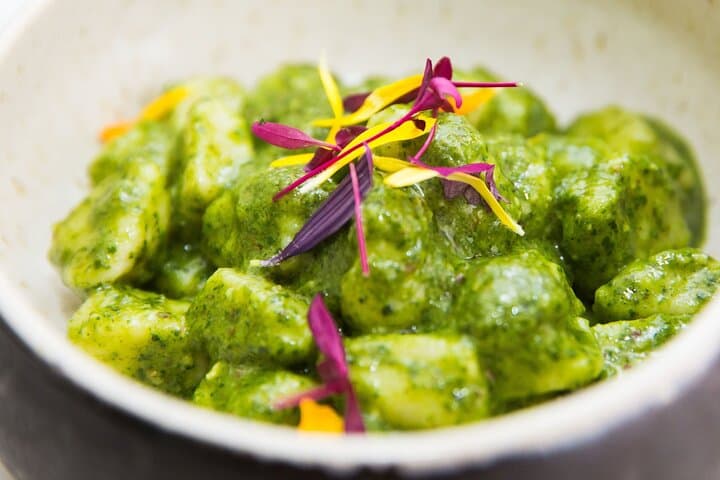
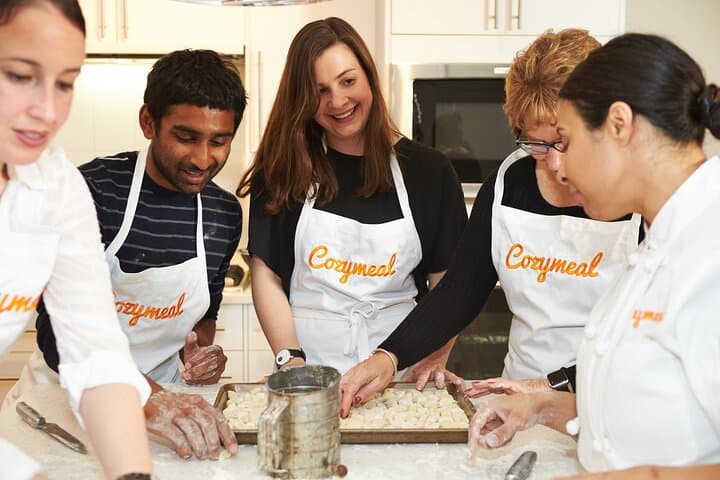
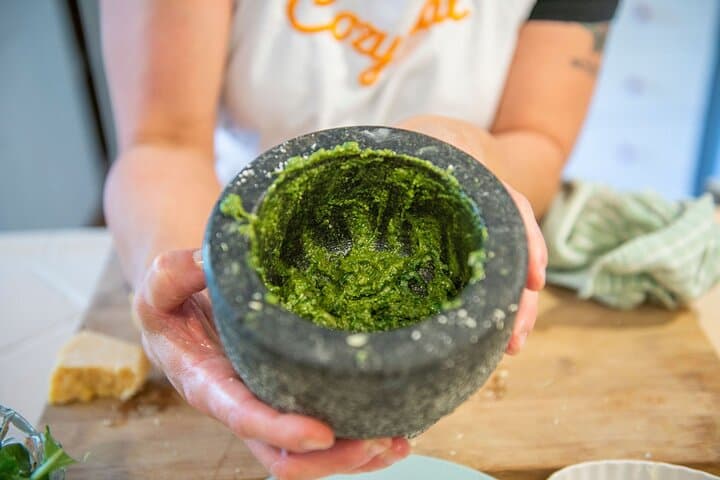
The room smells of butter and warm potato; a chef calls out a rhythm of flour, press, and pan. In this intimate Baltimore workshop you shape gnocchi the way generations of cooks have—small, deliberate movements that turn a handful of ingredients into pillowy bites. The class takes place in a city where immigrant kitchens rewrote local food culture: from Little Italy’s pasta shops to French-influenced dining rooms, Baltimore’s culinary identity is practical, bold, and centered on craft.
The room smells of butter and warm potato; a chef calls out a rhythm of flour, press, and pan. In this intimate Baltimore workshop you shape gnocchi the way generations of cooks have—small, deliberate movements that turn a handful of ingredients into pillowy bites. The class takes place in a city where immigrant kitchens rewrote local food culture: from Little Italy’s pasta shops to French-influenced dining rooms, Baltimore’s culinary identity is practical, bold, and centered on craft.
Geology and landscape have less to do with the dish than trade and migration: Italian potato techniques arrived with 20th-century immigrants, while Parisian culinary refinements traveled along different tables. The class highlights both traditions — classic potato gnocchi with basil-Parmesan pesto cream and a Parisian-style version with butternut purée and garlic shrimp — so you can compare texture and seasoning.
Expect hands-on instruction, a cheeseboard starter, and guided plating in a small group limited to eight guests. The chef demonstrates dough hydration, shaping methods, and quick sautéing in brown butter; you practice under direct supervision. Practical takeaways include timing for cooking gnocchi so they don’t overcook, adjusting sauce consistency, and plating techniques for a three-course flow.
For planning: arrive 10–15 minutes early, notify instructors about dietary needs ahead of the class, and wear closed-toe shoes. Bring a bottle of wine if you like: the venue welcomes outside beverages. The experience blends technique, tasting, and convivial dining — an efficient, flavorful way to add a reliable gnocchi recipe to your repertoire.