THE ADVENTURE COLLECTIVE® · Independent discovery and booking for outdoor travel

A condensed, luxury take on the classic Everest Base Camp trek that pairs guided teahouse nights and hot showers with a helicopter exit from Gorak Shep. Expect steep trails, high‑altitude scenery, and Sherpa culture on a nine‑day, fully supported route.
A condensed, luxury take on the classic Everest Base Camp trek that pairs guided teahouse nights and hot showers with a helicopter exit from Gorak Shep. Expect steep trails, high‑altitude scenery, and Sherpa culture on a nine‑day, fully supported route.
You step off the small Lukla plane into thin, cold air and the trail immediately pulls you uphill—stone staircases, prayer flags snapping like bright punctuation, and the first glint of Everest on the horizon. This luxury variation of the classic Everest Base Camp route keeps the essential highs—Sherpa villages, rhododendron forests, and the ragged skyline of ice—but adds daily hot showers, a committed porter, curated teahouse stays, and a helicopter ride out from Gorak Shep.
Verified experiences and guided adventures in the surrounding area.
Operated by Himalayas On Foot - Day Tours · Gorak Shep, Solukhumbu
You step off the small Lukla plane into thin, cold air and the trail immediately pulls you uphill—stone staircases, prayer flags snapping like bright punctuation, and the first glint of Everest on the horizon. This luxury variation of the classic Everest Base Camp route keeps the essential highs—Sherpa villages, rhododendron forests, and the ragged skyline of ice—but adds daily hot showers, a committed porter, curated teahouse stays, and a helicopter ride out from Gorak Shep.
The route crosses Sagarmatha National Park, a UNESCO site carved by glacial action and tectonic uplift; granite ridgelines and moraine fields tell a geologic history measured in millions of years. Culturally, the Khumbu is Sherpa country—monasteries like Tengboche have been spiritual waypoints for generations, and villages still maintain livestock and trade routes forged long before tourism.
Practically, the itinerary compresses classic acclimatization days into a nine‑day push, so physical fitness and altitude awareness matter. Expect 4–7 hours of walking most days, rocky and often icy underfoot above 4,000 m. The helicopter return reduces descent time but is weather‑dependent and subject to weight limits.
Bring layered clothing, quality boots, and patience—the weather can change in an hour. Hydration, controlled pacing, and listening to your guide are your best safety measures. Emergency helicopter evacuation is included, permits and private transfers are handled, and meals are full board. For hikers who want the Everest experience without multiple weeks on trail, this luxury, helicopter‑assisted option delivers peak views and Sherpa hospitality with fewer logistical worries.
challenging.
9 days.
Suitable for hikers with good cardiovascular fitness who regularly do multi‑hour mountain walks and have prior trekking experience.
A shared helicopter flight from Gorak Shep takes you back to Lukla or Kathmandu depending on the booking; flights are weather‑dependent and subject to weight limits.
Yes—timings include domestic airfare (Kathmandu–Lukla) and required Khumbu permits as part of the package.
You should be in good physical condition, used to 4–7 hour mountain days; prior trekking experience and cardiovascular fitness are recommended.
Guides carry oximeters and first aid; the operator includes emergency helicopter evacuation for severe cases and will descend you to lower altitude if needed.
The Khumbu valley has been a Sherpa homeland for centuries; Sagarmatha National Park, established in 1976, protects its natural and cultural heritage.
Trekkers should minimize waste, stick to marked trails, and respect local water and fuel limitations; many operators support local conservation and permit fees fund park management.
Himalayas On Foot - Day Tours operates guided outdoor trips and adventures with an emphasis on safety, stewardship, and memorable experiences.
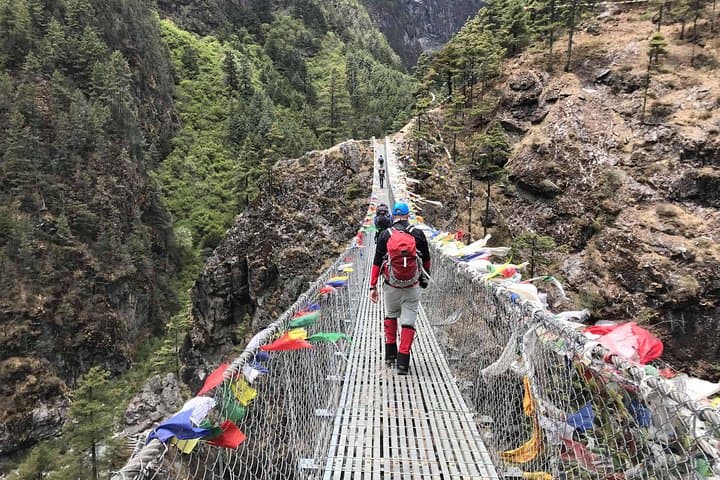
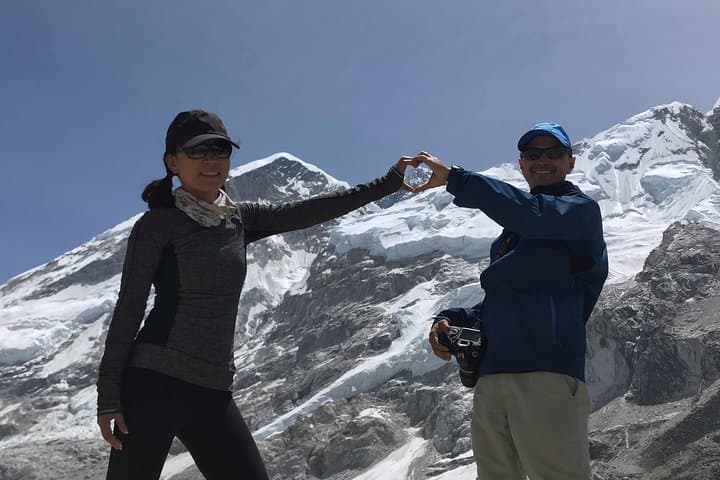
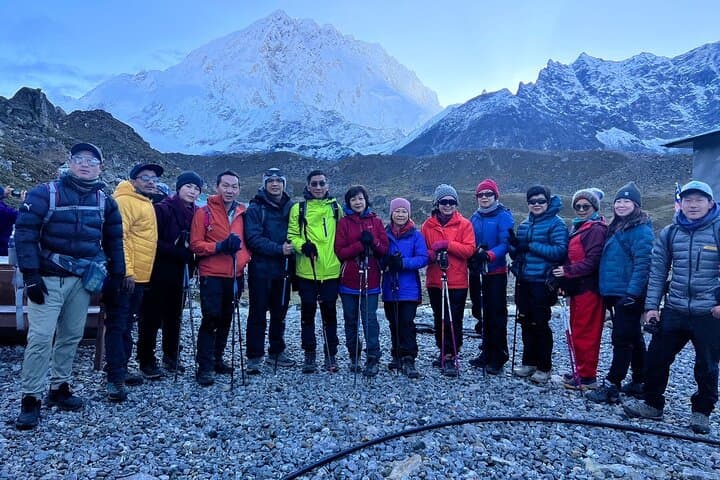
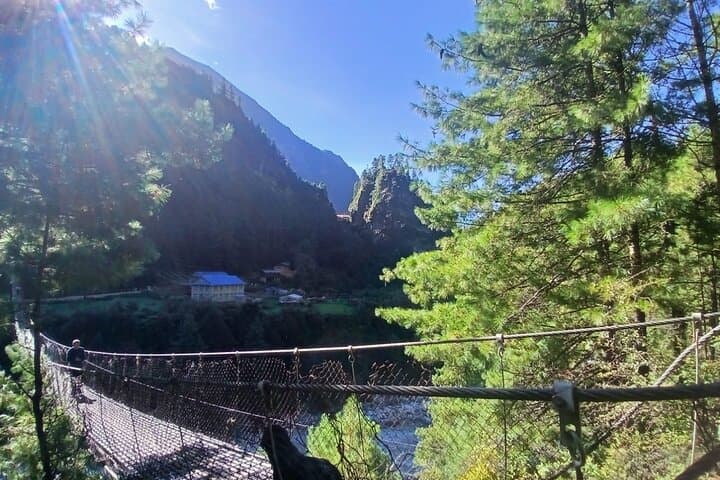
You step off the small Lukla plane into thin, cold air and the trail immediately pulls you uphill—stone staircases, prayer flags snapping like bright punctuation, and the first glint of Everest on the horizon. This luxury variation of the classic Everest Base Camp route keeps the essential highs—Sherpa villages, rhododendron forests, and the ragged skyline of ice—but adds daily hot showers, a committed porter, curated teahouse stays, and a helicopter ride out from Gorak Shep.
You step off the small Lukla plane into thin, cold air and the trail immediately pulls you uphill—stone staircases, prayer flags snapping like bright punctuation, and the first glint of Everest on the horizon. This luxury variation of the classic Everest Base Camp route keeps the essential highs—Sherpa villages, rhododendron forests, and the ragged skyline of ice—but adds daily hot showers, a committed porter, curated teahouse stays, and a helicopter ride out from Gorak Shep.
The route crosses Sagarmatha National Park, a UNESCO site carved by glacial action and tectonic uplift; granite ridgelines and moraine fields tell a geologic history measured in millions of years. Culturally, the Khumbu is Sherpa country—monasteries like Tengboche have been spiritual waypoints for generations, and villages still maintain livestock and trade routes forged long before tourism.
Practically, the itinerary compresses classic acclimatization days into a nine‑day push, so physical fitness and altitude awareness matter. Expect 4–7 hours of walking most days, rocky and often icy underfoot above 4,000 m. The helicopter return reduces descent time but is weather‑dependent and subject to weight limits.
Bring layered clothing, quality boots, and patience—the weather can change in an hour. Hydration, controlled pacing, and listening to your guide are your best safety measures. Emergency helicopter evacuation is included, permits and private transfers are handled, and meals are full board. For hikers who want the Everest experience without multiple weeks on trail, this luxury, helicopter‑assisted option delivers peak views and Sherpa hospitality with fewer logistical worries.