THE ADVENTURE COLLECTIVE® · Independent discovery and booking for outdoor travel

Drift from Aswan to Luxor aboard a private five-star dahabiya, visiting Philae, Kom Ombo, Edfu and the Valley of the Kings with an Egyptologist. Enjoy intimate landings, quiet nights on deck, and access to lesser-visited sites like Gebel el-Silsila.
Drift from Aswan to Luxor aboard a private five-star dahabiya, visiting Philae, Kom Ombo, Edfu and the Valley of the Kings with an Egyptologist. Enjoy intimate landings, quiet nights on deck, and access to lesser-visited sites like Gebel el-Silsila.
You step onto a low-slung dahabiya as the Aswan harbor light cools into evening; the crew greets you with tea while the Nile pulls the boat from the quay. The sundeck becomes a slow-moving observatory—palm shadows slide past, fishermen call from feluccas, and the river itself seems to steer you toward the carved cliffs of antiquity.
Verified experiences and guided adventures in the surrounding area.
Operated by Saray El-Nile · Aswan, Aswan Governorate
You step onto a low-slung dahabiya as the Aswan harbor light cools into evening; the crew greets you with tea while the Nile pulls the boat from the quay. The sundeck becomes a slow-moving observatory—palm shadows slide past, fishermen call from feluccas, and the river itself seems to steer you toward the carved cliffs of antiquity.
This intimate four-day cruise follows the same waterway that pharaohs and stonecutters used for millennia. Between visits to Philae, Kom Ombo, Edfu and Luxor’s West Bank, the itinerary threads in quieter sites like Gebel el-Silsila’s sandstone quarries and the lived-in ruins at El Kab Village, places that reveal construction methods and daily life alongside grand temple narratives.
Geology is visible in the cliffs—beds of Nubian sandstone that supplied blocks for monumental pylons—while the cultural rhythm is driven by daily prayers, market stalls and the river’s transport pulse. Passing the Esna lock offers a glimpse of modern Nile navigation against an ancient backdrop.
Practically, expect leisurely days aboard with short guided excursions, some walking on uneven temple ramps, and early mornings for cooler light. Dress conservatively for temple visits, carry a refillable water bottle and sunscreen, and prepare for warm afternoons and cooler nights on deck. The dahabiya’s small size means quieter landings and access to narrow riverbanks larger ships can’t reach—plan for a relaxed pace, good food prepared onboard, and expert Egyptologist-led tours that place the monuments in historical context.
easy.
4 days.
Suitable for travelers with average fitness; excursions include short walks on uneven surfaces and some steps.
Visas for Egypt are handled at entry to the country, not between cities; ensure you have a valid Egyptian visa before arrival and carry passport photocopies on excursions.
The itinerary includes guided visits by an Egyptologist and admission to specified sites; confirm ticket inclusions at booking for any optional sites.
The dahabiya offers relaxed sailing but shore landings and temple sites include stairs and uneven surfaces; discuss mobility needs with the operator ahead of time.
Tipping is customary: budget separately for crew and local guides—ask the operator for suggested per-person amounts to distribute fairly.
The dahabiya is a traditional Egyptian sailing houseboat once used by 19th-century travelers; this route follows channels long used to ferry stone and goods between Upper Egypt’s sites.
Operators increasingly limit waste discharge and use refillable water systems; respect marked paths at archaeological sites to reduce erosion and damage.
Saray El-Nile operates guided outdoor trips and adventures with an emphasis on safety, stewardship, and memorable experiences.
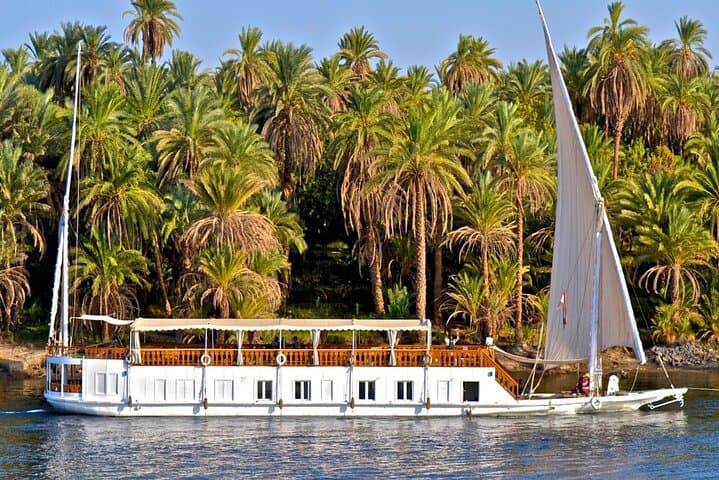
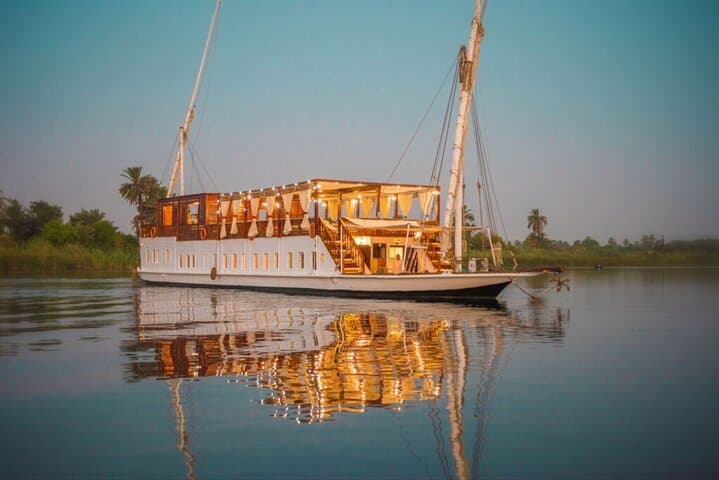
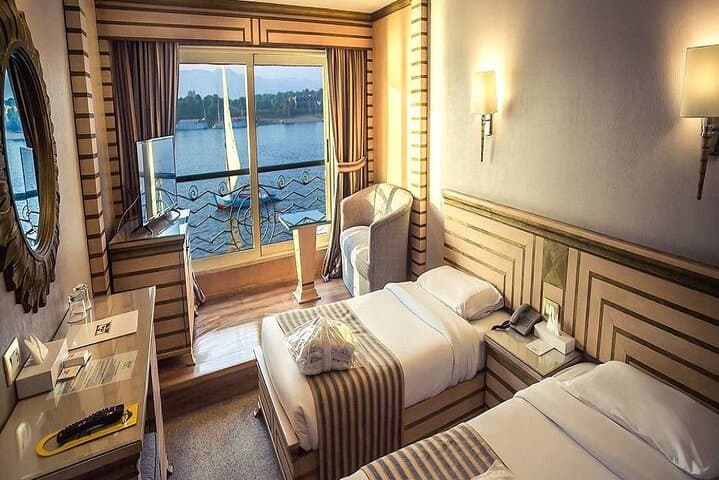
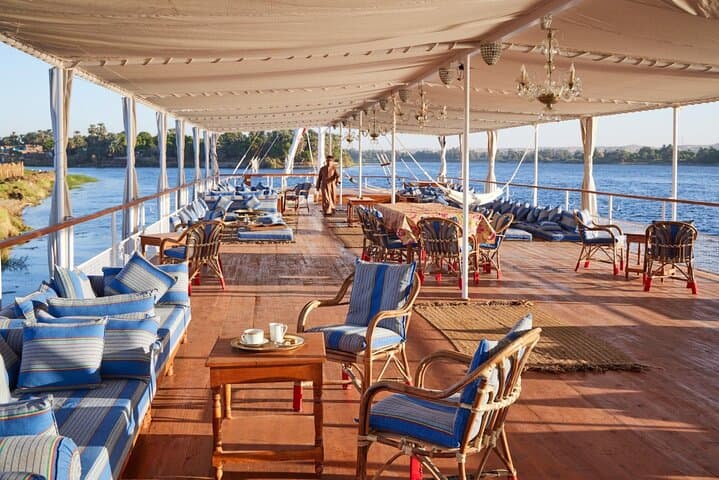
You step onto a low-slung dahabiya as the Aswan harbor light cools into evening; the crew greets you with tea while the Nile pulls the boat from the quay. The sundeck becomes a slow-moving observatory—palm shadows slide past, fishermen call from feluccas, and the river itself seems to steer you toward the carved cliffs of antiquity.
You step onto a low-slung dahabiya as the Aswan harbor light cools into evening; the crew greets you with tea while the Nile pulls the boat from the quay. The sundeck becomes a slow-moving observatory—palm shadows slide past, fishermen call from feluccas, and the river itself seems to steer you toward the carved cliffs of antiquity.
This intimate four-day cruise follows the same waterway that pharaohs and stonecutters used for millennia. Between visits to Philae, Kom Ombo, Edfu and Luxor’s West Bank, the itinerary threads in quieter sites like Gebel el-Silsila’s sandstone quarries and the lived-in ruins at El Kab Village, places that reveal construction methods and daily life alongside grand temple narratives.
Geology is visible in the cliffs—beds of Nubian sandstone that supplied blocks for monumental pylons—while the cultural rhythm is driven by daily prayers, market stalls and the river’s transport pulse. Passing the Esna lock offers a glimpse of modern Nile navigation against an ancient backdrop.
Practically, expect leisurely days aboard with short guided excursions, some walking on uneven temple ramps, and early mornings for cooler light. Dress conservatively for temple visits, carry a refillable water bottle and sunscreen, and prepare for warm afternoons and cooler nights on deck. The dahabiya’s small size means quieter landings and access to narrow riverbanks larger ships can’t reach—plan for a relaxed pace, good food prepared onboard, and expert Egyptologist-led tours that place the monuments in historical context.