THE ADVENTURE COLLECTIVE® · Independent discovery and booking for outdoor travel

Spend three days in Chitwan National Park moving between jeep safaris, jungle walks and canoe trips on the Rapti. This practical guide covers what to expect—wildlife highlights, cultural encounters and logistics—to help you plan a close-up wildlife experience with comfort.
Spend three days in Chitwan National Park moving between jeep safaris, jungle walks and canoe trips on the Rapti. This practical guide covers what to expect—wildlife highlights, cultural encounters and logistics—to help you plan a close-up wildlife experience with comfort.
Heat lifts off the floodplain as your vehicle crests a low ridge and the sal forest gives way to open grassland—this is Chitwan, where the river and the jungle negotiate their borders.
Verified experiences and guided adventures in the surrounding area.
Operated by Oriental Journeys · Sauraha, Bagmati Province
Heat lifts off the floodplain as your vehicle crests a low ridge and the sal forest gives way to open grassland—this is Chitwan, where the river and the jungle negotiate their borders.
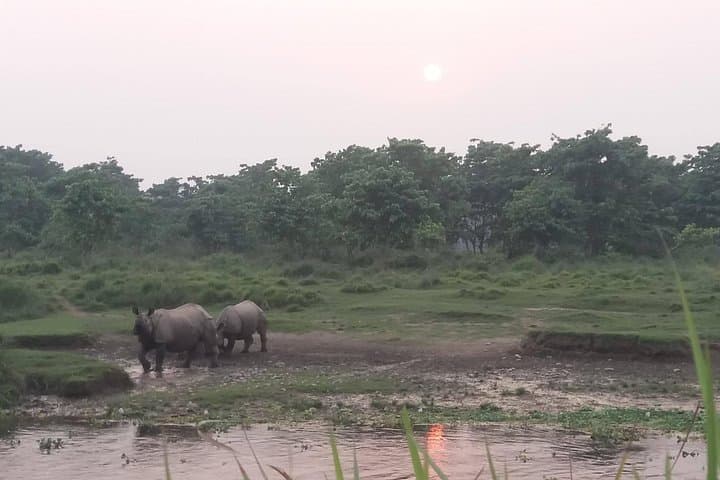
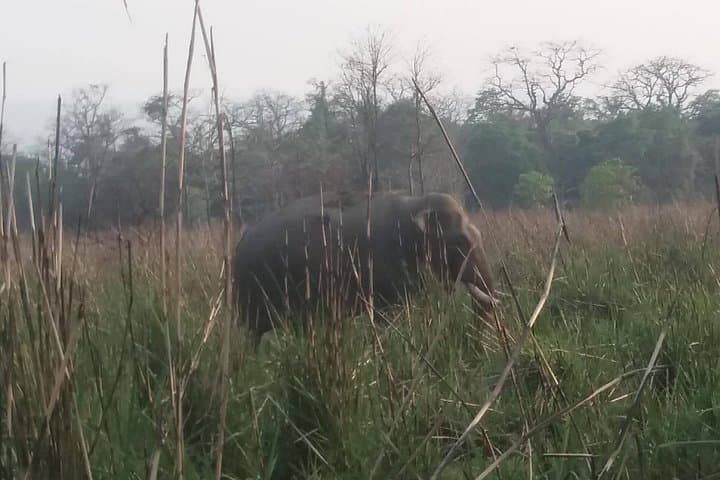
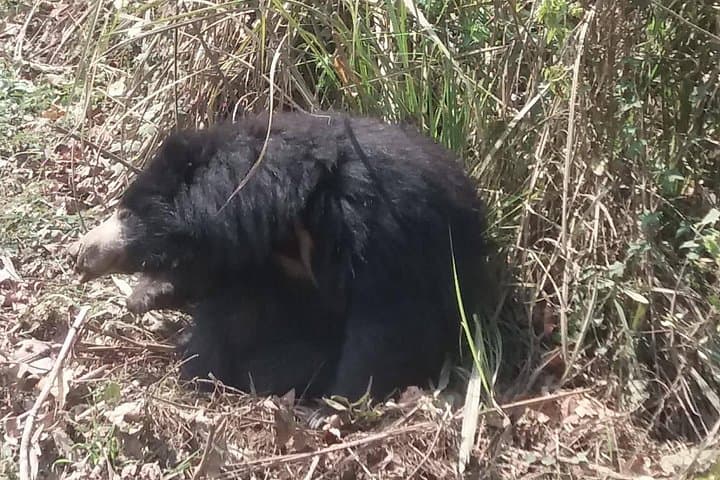
Over three days you trade Kathmandu’s terraces for the Terai’s flat, humid plains: river channels, tall grass, and pockets of sal forest carved by seasonal monsoon floods. Chitwan National Park, created in 1973 and later listed as a UNESCO World Heritage Site, protects one-horned rhinos, elusive Bengal tigers, gharial crocodiles and more than 400 recorded bird species. Geologically this is alluvial lowland—wide meanders of the Rapti and Narayani rivers that deposit silt each year, creating the riverine islands and grasslands that wildlife favors.
Culture is close at hand: Sauraha’s Tharu village programs offer insight into traditional stilt-hut living, dance, and rice-farming practices that have adapted to the floodplain. Conservation here pairs park rangers with community-based anti-poaching initiatives; sightings are a product of that long effort.
Practical guide: start early—birding and wildlife come at dawn and dusk. Expect flat but uneven terrain and muddy patches after rain; the park sits around 150–300 m elevation. Typical activities include guided jungle walks, jeep safaris across grassland, and dugout canoe trips along the Rapti to watch gharials on sandy banks.
Bring insect repellent, a lightweight rain layer for sudden showers, and binoculars. If traveling from Kathmandu allow 5–6 hours by road (or a short domestic flight). Local guides control routes; follow their safety briefings—keep a respectful distance from rhinos and never exit boats in deeper channels. With basic preparation this short luxury safari combines close wildlife viewing with practical comforts, and offers one of South Asia’s most accessible big-game experiences.
moderate.
3 days.
Light to moderate fitness; able to walk 1–3 miles on uneven ground and step in/out of boats and jeeps.
October to March offers drier weather and clearer trails; monsoon months (June–September) are greener but wetter and may limit some activities.
Yes—licensed guides lead safaris and canoe trips with safety protocols; always follow the guide’s instructions and remain in designated areas.
Children can join but infants must sit on laps and guides may advise age-appropriate activities; check supplier age policies before booking.
One-horned rhinos are commonly seen on jeep safaris and walks; tiger sightings are rarer but possible—good sightings depend on timing, guide knowledge, and luck.
Chitwan National Park was established in 1973 to protect remaining Terai wildlife and became a UNESCO World Heritage Site in 1984.
Conservation mixes park enforcement with community programs; responsible tourism supports anti-poaching and habitat management while reducing human-wildlife conflict.
Oriental Journeys operates guided outdoor trips and adventures with an emphasis on safety, stewardship, and memorable experiences.

Heat lifts off the floodplain as your vehicle crests a low ridge and the sal forest gives way to open grassland—this is Chitwan, where the river and the jungle negotiate their borders.
Heat lifts off the floodplain as your vehicle crests a low ridge and the sal forest gives way to open grassland—this is Chitwan, where the river and the jungle negotiate their borders.
Over three days you trade Kathmandu’s terraces for the Terai’s flat, humid plains: river channels, tall grass, and pockets of sal forest carved by seasonal monsoon floods. Chitwan National Park, created in 1973 and later listed as a UNESCO World Heritage Site, protects one-horned rhinos, elusive Bengal tigers, gharial crocodiles and more than 400 recorded bird species. Geologically this is alluvial lowland—wide meanders of the Rapti and Narayani rivers that deposit silt each year, creating the riverine islands and grasslands that wildlife favors.
Culture is close at hand: Sauraha’s Tharu village programs offer insight into traditional stilt-hut living, dance, and rice-farming practices that have adapted to the floodplain. Conservation here pairs park rangers with community-based anti-poaching initiatives; sightings are a product of that long effort.
Practical guide: start early—birding and wildlife come at dawn and dusk. Expect flat but uneven terrain and muddy patches after rain; the park sits around 150–300 m elevation. Typical activities include guided jungle walks, jeep safaris across grassland, and dugout canoe trips along the Rapti to watch gharials on sandy banks.
Bring insect repellent, a lightweight rain layer for sudden showers, and binoculars. If traveling from Kathmandu allow 5–6 hours by road (or a short domestic flight). Local guides control routes; follow their safety briefings—keep a respectful distance from rhinos and never exit boats in deeper channels. With basic preparation this short luxury safari combines close wildlife viewing with practical comforts, and offers one of South Asia’s most accessible big-game experiences.