THE ADVENTURE COLLECTIVE® · Independent discovery and booking for outdoor travel

Taste Premiers and Grands Crus on a private minivan tour through Côte de Nuits and Côte de Beaune. Led by a local wine expert, expect two private tastings, vineyard visits and a restaurant lunch option.
Taste Premiers and Grands Crus on a private minivan tour through Côte de Nuits and Côte de Beaune. Led by a local wine expert, expect two private tastings, vineyard visits and a restaurant lunch option.
Stepping into the rolling lanes between Côte de Nuits and Côte de Beaune, the tour begins like an invitation: vineyards slope away in neat rows, stone villages peer over clipped hedgerows and the guide—born and raised among these Climats—maps the day with calm precision.
Verified experiences and guided adventures in the surrounding area.
Operated by Grape Adventure · Dijon, Bourgogne-Franche-Comté
Stepping into the rolling lanes between Côte de Nuits and Côte de Beaune, the tour begins like an invitation: vineyards slope away in neat rows, stone villages peer over clipped hedgerows and the guide—born and raised among these Climats—maps the day with calm precision.
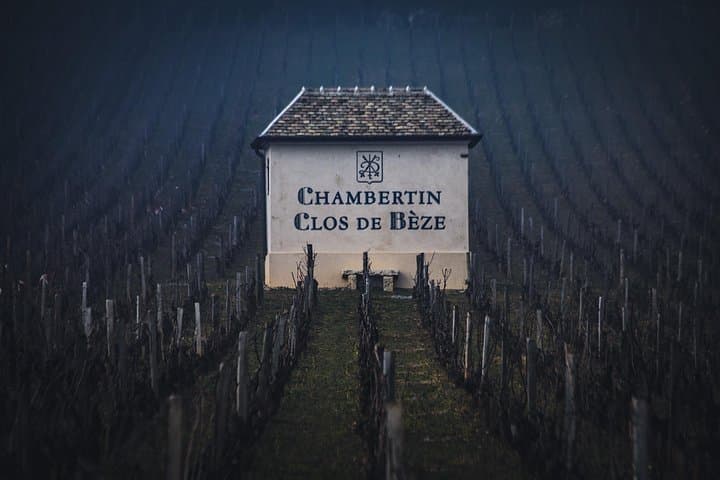
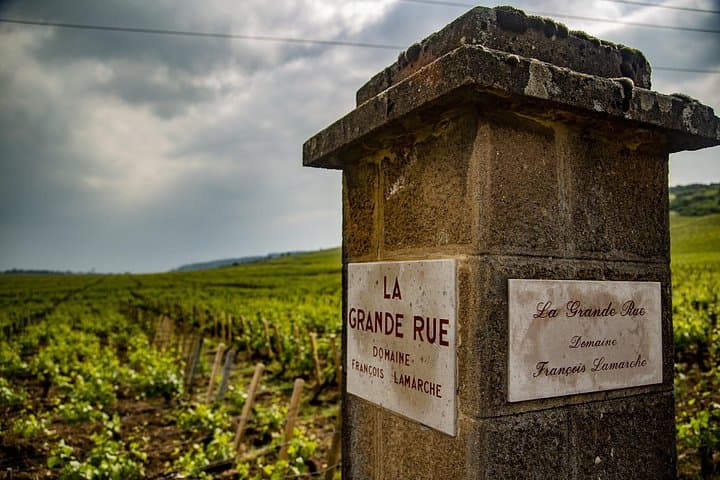
The route threads through villages that made Burgundy famous: Gevrey-Chambertin, Vosne-Romanée, Pommard and Meursault. These plots, classified as Climats and protected as a UNESCO cultural landscape, are the product of millennia—limestone soils that hold moisture, tiny parcels of terroir and centuries of careful pruning and cellar craft.
Culture here is tactile: winemakers measure acidity by touch, négociants read a vintage like a ledger. The tour focuses on Premiers and Grands Crus—Romanée-Conti, Chambertin, Corton-Charlemagne—paired with clear explanations of classification and vinification that demystify Burgundy jargon.
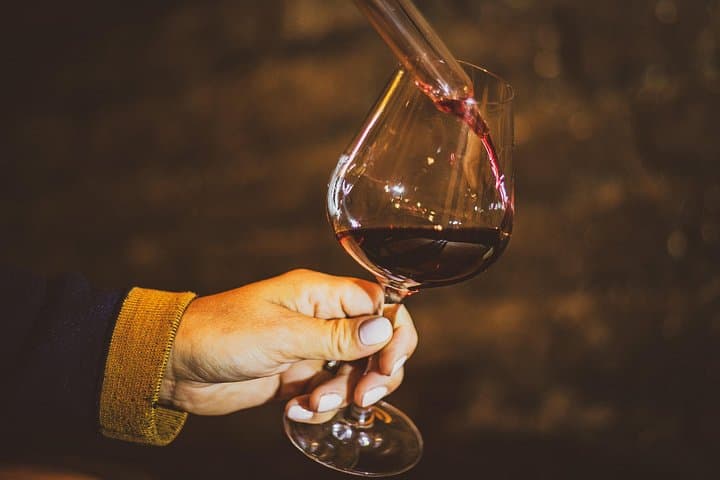
Practicality governs the day. Travel in an air-conditioned minivan keeps distances short and tasting comfortable; expect two private, commented tastings totaling 10–15 wines and time for a lunch in a wine village (not included). Bring a light jacket for cooler cellars, a notepad for names and a plan for transport if you’ll be tasting—designate a driver or book return transfer.
Timing matters: mornings bring softer light on the vines; late autumn and spring show the growing cycle. Respect producers’ time—arrive punctual, listen, ask focused questions. This is a day built around sensory learning: smell, taste, and then the slow arithmetic of why one slope yields tension while another offers silk.
easy.
7–8 hours.
Suitable for most fitness levels; mostly seated travel with short walks at estates
The itinerary includes two private, commented tastings at quality estates, with scenic stops through key villages on the Grands Crus route.
No—lunch in a wine village is not included; expect a 25–40€ range depending on choice.
People under 18 cannot consume alcohol; the tour is family-friendly for travel but tastings are restricted.
Yes—carry photo ID for age verification during tastings and for any cellar purchases.
The Burgundian Climats are small, historically demarcated vineyard plots whose boundaries and identities date back to medieval and monastic land divisions; they underpin the modern appellation system.
Vineyard practices vary; look for domaines using sustainable or organic methods and avoid contributing to over-tourism by buying locally and respecting producers’ requests.
Grape Adventure operates guided outdoor trips and adventures with an emphasis on safety, stewardship, and memorable experiences.
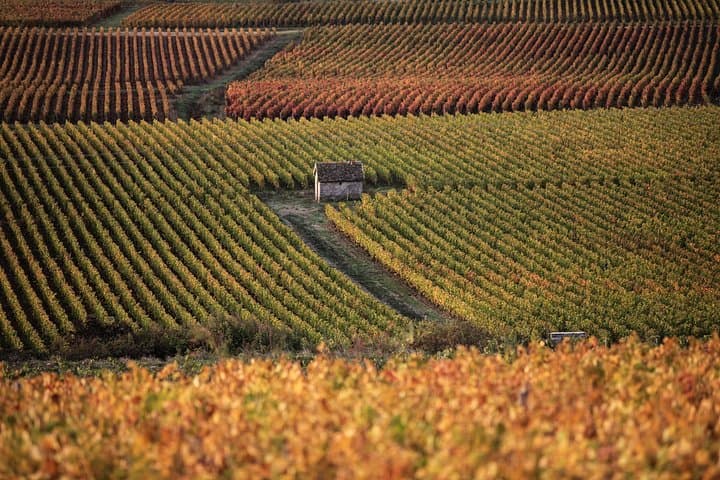
Stepping into the rolling lanes between Côte de Nuits and Côte de Beaune, the tour begins like an invitation: vineyards slope away in neat rows, stone villages peer over clipped hedgerows and the guide—born and raised among these Climats—maps the day with calm precision.
Stepping into the rolling lanes between Côte de Nuits and Côte de Beaune, the tour begins like an invitation: vineyards slope away in neat rows, stone villages peer over clipped hedgerows and the guide—born and raised among these Climats—maps the day with calm precision.
The route threads through villages that made Burgundy famous: Gevrey-Chambertin, Vosne-Romanée, Pommard and Meursault. These plots, classified as Climats and protected as a UNESCO cultural landscape, are the product of millennia—limestone soils that hold moisture, tiny parcels of terroir and centuries of careful pruning and cellar craft.
Culture here is tactile: winemakers measure acidity by touch, négociants read a vintage like a ledger. The tour focuses on Premiers and Grands Crus—Romanée-Conti, Chambertin, Corton-Charlemagne—paired with clear explanations of classification and vinification that demystify Burgundy jargon.
Practicality governs the day. Travel in an air-conditioned minivan keeps distances short and tasting comfortable; expect two private, commented tastings totaling 10–15 wines and time for a lunch in a wine village (not included). Bring a light jacket for cooler cellars, a notepad for names and a plan for transport if you’ll be tasting—designate a driver or book return transfer.
Timing matters: mornings bring softer light on the vines; late autumn and spring show the growing cycle. Respect producers’ time—arrive punctual, listen, ask focused questions. This is a day built around sensory learning: smell, taste, and then the slow arithmetic of why one slope yields tension while another offers silk.