THE ADVENTURE COLLECTIVE® · Independent discovery and booking for outdoor travel

Spend eight hours traveling Napa Valley in a private luxury vehicle—customize your route, visit boutique and world-class wineries, and let a local chauffeur handle logistics. This guide outlines what to expect, how to prepare, and how to pace a day of tastings.
Spend eight hours traveling Napa Valley in a private luxury vehicle—customize your route, visit boutique and world-class wineries, and let a local chauffeur handle logistics. This guide outlines what to expect, how to prepare, and how to pace a day of tastings.
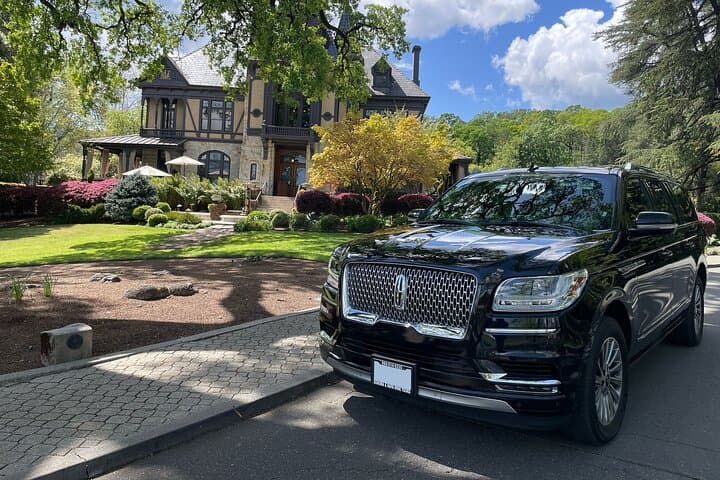
You slide into a leather seat and the valley opens like a map of sun and vine: rows plunge down gentle slopes, oak-studded ridgelines flare against a blue sky, and the driver eases the car toward a tasting room where the air smells faintly of stem and toast.
Verified experiences and guided adventures in the surrounding area.
Operated by Napa Luxury Coach · Napa, California
You slide into a leather seat and the valley opens like a map of sun and vine: rows plunge down gentle slopes, oak-studded ridgelines flare against a blue sky, and the driver eases the car toward a tasting room where the air smells faintly of stem and toast.
Napa Valley’s story is written in geology and labor — Miocene uplift and alluvial soils created the terraces that favor Cabernet and Chardonnay. Commercial vineyards date to the 19th century, survived Prohibition and gained international fame after the 1976 Judgment of Paris, a turning point that sent the region’s wines into global demand.
Tasting room culture here balances hospitality with craft: small boutique producers sit alongside historic estates in areas like Yountville, Rutherford and St. Helena. Many wineries emphasize sustainable practices; some farms open early for barrel tastings and vineyard walks.
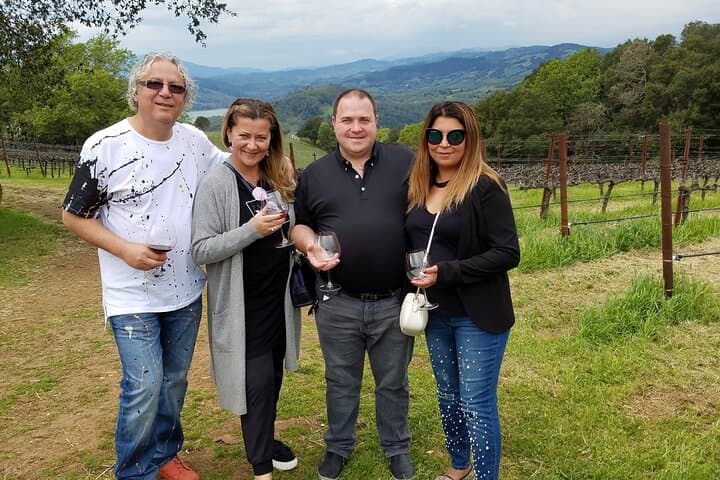
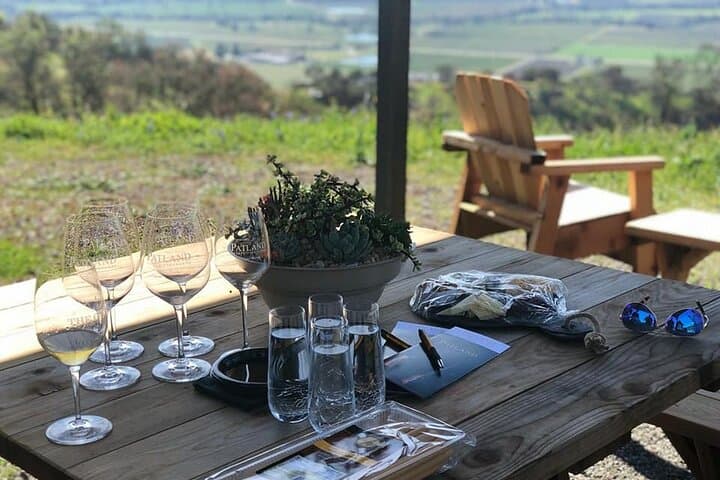
Practical guidance: this private, chauffeur-driven eight-hour tour is customizable but requires advance winery reservations and a minimum age of 21. Expect multiple short stops—plan to sip, not swallow. Pace yourself by spitting or ordering small pours, and schedule a lunch break to reset palate and energy. Bring valid ID, wear comfortable shoes for uneven cellar floors, and layer for coastal morning chill turning into valley heat. Bottled water is provided, but carry a reusable bottle for the road.
Timing matters: midweek and earlier departures reduce crowds; harvest season offers drama but heavier traffic. With a local driver handling logistics, you focus on tasting notes and views while the valley keeps pulling you from one slope to the next.
easy.
8 hours.
Suitable for travelers of most fitness levels; you should be able to move on and off the vehicle and walk short, uneven cellar and vineyard paths.
Yes—most Napa tasting rooms require advance reservations, especially for groups and weekend visits; use the tour operator’s concierge to secure slots.
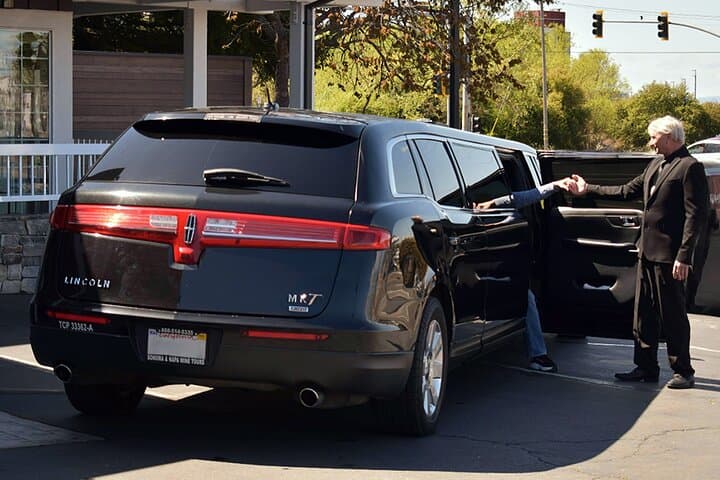
This is a private chauffeur-driven tour, so transportation and a licensed driver are included—no designated driver needed for your party.
No—this tour requires all participants to be 21 or older; operators enforce age restrictions at tasting rooms.
Bottled water is included and many tours stop for lunch (at additional cost); you can request restaurant reservations through the operator.
Napa Valley’s commercial viticulture grew in the 19th century and gained worldwide recognition after the 1976 Judgment of Paris, which elevated California wines on the global stage.
Many estates practice sustainable or organic viticulture and water-conservation; visitors should respect vineyard boundaries, stick to paths and take waste with them to reduce impact.
Napa Luxury Coach operates guided outdoor trips and adventures with an emphasis on safety, stewardship, and memorable experiences.
You slide into a leather seat and the valley opens like a map of sun and vine: rows plunge down gentle slopes, oak-studded ridgelines flare against a blue sky, and the driver eases the car toward a tasting room where the air smells faintly of stem and toast.
You slide into a leather seat and the valley opens like a map of sun and vine: rows plunge down gentle slopes, oak-studded ridgelines flare against a blue sky, and the driver eases the car toward a tasting room where the air smells faintly of stem and toast.
Napa Valley’s story is written in geology and labor — Miocene uplift and alluvial soils created the terraces that favor Cabernet and Chardonnay. Commercial vineyards date to the 19th century, survived Prohibition and gained international fame after the 1976 Judgment of Paris, a turning point that sent the region’s wines into global demand.
Tasting room culture here balances hospitality with craft: small boutique producers sit alongside historic estates in areas like Yountville, Rutherford and St. Helena. Many wineries emphasize sustainable practices; some farms open early for barrel tastings and vineyard walks.
Practical guidance: this private, chauffeur-driven eight-hour tour is customizable but requires advance winery reservations and a minimum age of 21. Expect multiple short stops—plan to sip, not swallow. Pace yourself by spitting or ordering small pours, and schedule a lunch break to reset palate and energy. Bring valid ID, wear comfortable shoes for uneven cellar floors, and layer for coastal morning chill turning into valley heat. Bottled water is provided, but carry a reusable bottle for the road.
Timing matters: midweek and earlier departures reduce crowds; harvest season offers drama but heavier traffic. With a local driver handling logistics, you focus on tasting notes and views while the valley keeps pulling you from one slope to the next.