THE ADVENTURE COLLECTIVE® · Independent discovery and booking for outdoor travel

Experience Tanzania’s northern circuit in comfort: Serena lodges, sunrise game drives in the Serengeti, a crater floor safari for black rhino and flamingos, and the baobabs and elephants of Tarangire. This 8-day route pairs luxury stays with some of East Africa’s most reliable wildlife viewing.
Experience Tanzania’s northern circuit in comfort: Serena lodges, sunrise game drives in the Serengeti, a crater floor safari for black rhino and flamingos, and the baobabs and elephants of Tarangire. This 8-day route pairs luxury stays with some of East Africa’s most reliable wildlife viewing.
You step out onto the Serena Lodge veranda before dawn and the plain stretches away, a slow-moving theater of heat-hazed grass and distant silhouettes. The air smells of dust and coffee; elephants move like deliberate shadows by flat-topped acacia. This safari trades roughing it for measured comfort—game drives at sunrise, shaded lunches, and nightfall in architect-designed lodges perched on crater rims.
Verified experiences and guided adventures in the surrounding area.
Operated by Gilmag Safaris · Arusha, Arusha Region
You step out onto the Serena Lodge veranda before dawn and the plain stretches away, a slow-moving theater of heat-hazed grass and distant silhouettes. The air smells of dust and coffee; elephants move like deliberate shadows by flat-topped acacia. This safari trades roughing it for measured comfort—game drives at sunrise, shaded lunches, and nightfall in architect-designed lodges perched on crater rims.
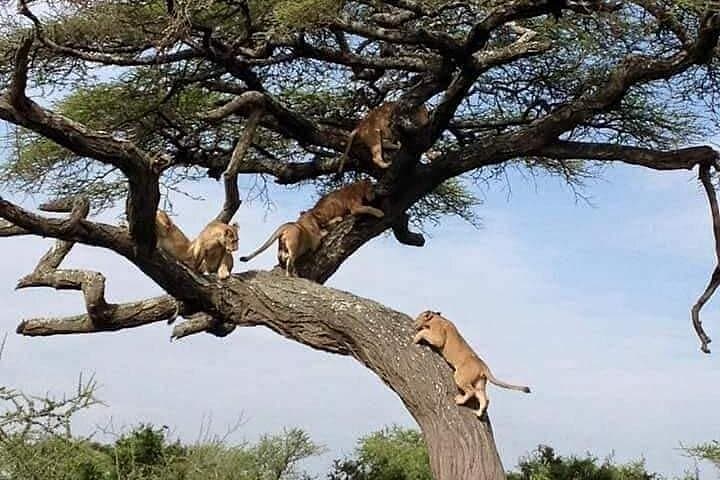
The route follows a classic northern circuit: Arusha’s colonial-era highways to Lake Manyara’s alkaline waters and tree-climbing lions, across the endless Serengeti plains where the Great Migration sweeps through, down to Olduvai Gorge—site of Leakey family discoveries—and into the ancient caldera of Ngorongoro where black rhino persist.
Geology shapes every view: volcanic highlands give way to Serengeti’s Pleistocene-era grasslands and the crater’s laminated caldera floor. Maasai culture remains visible—people, cattle, ochre—alongside a conservation model that balances tourism and pastoral life.
Practical guidance: expect long game-drive days (often 6–10 hours in a vehicle), early departures for the best sightings, and dusty roads—pack layers, sun protection, and a good zoom lens. Malaria prophylaxis and up-to-date vaccinations are recommended; carry copies of passports for park permits. Lodges provide full board, so bring comfortable clothing for lodge dining and sturdy shoes for short walks. Respect setback distances from wildlife and follow ranger instructions; sightings are never guaranteed but the odds are strong with experienced guides.
This itinerary is ideal for travelers seeking high-quality lodging with intensive wildlife viewing—balanced, comfortable, and deeply connected to Tanzania’s ecological and archaeological rhythms.
moderate.
8 days.
Suitable for travelers of average fitness; long vehicle drives and short walks at lodges but no technical exertion required
This itinerary includes full-board accommodation at Serena lodges and meals as specified; park entrance and activity fees are typically part of the package—confirm on booking.
Yes; northern Tanzania is in a malaria zone. Consult your physician for prophylaxis options before travel.
The migration timing shifts yearly; the western corridor (Grumeti) is best around May–July, while calving occurs in the southern plains around January–March—ask your operator for current migration patterns.
Pickup from Kilimanjaro International Airport and transfers to Arusha are usually included—confirm pickup time and flight details when you book.
Olduvai Gorge within the Ngorongoro Conservation Area is a key paleoanthropological site where Mary and Louis Leakey found hominin fossils dating nearly two million years old.
Ngorongoro combines wildlife protection with Maasai pastoral lands; travelers can support conservation by using registered guides and minimizing single-use plastics.
Gilmag Safaris operates guided outdoor trips and adventures with an emphasis on safety, stewardship, and memorable experiences.
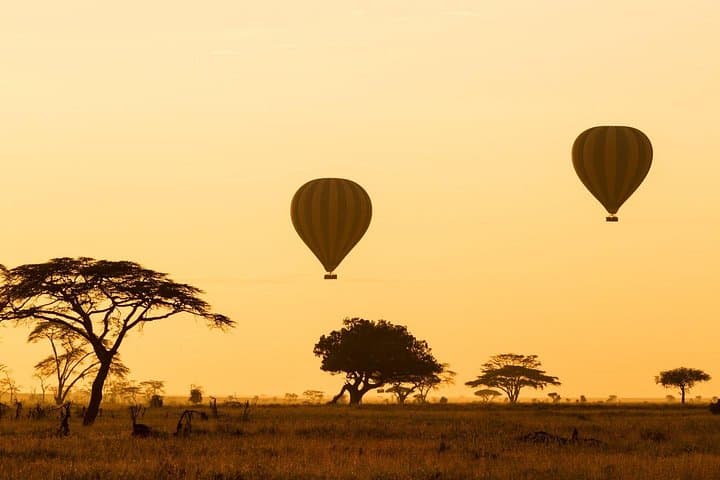
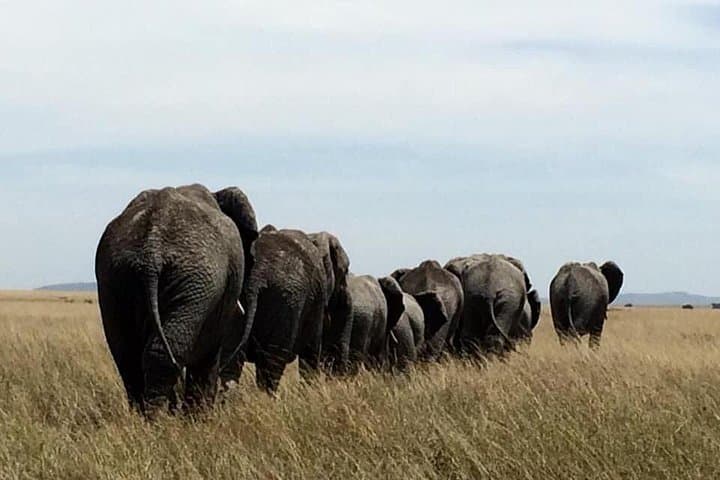
You step out onto the Serena Lodge veranda before dawn and the plain stretches away, a slow-moving theater of heat-hazed grass and distant silhouettes. The air smells of dust and coffee; elephants move like deliberate shadows by flat-topped acacia. This safari trades roughing it for measured comfort—game drives at sunrise, shaded lunches, and nightfall in architect-designed lodges perched on crater rims.
You step out onto the Serena Lodge veranda before dawn and the plain stretches away, a slow-moving theater of heat-hazed grass and distant silhouettes. The air smells of dust and coffee; elephants move like deliberate shadows by flat-topped acacia. This safari trades roughing it for measured comfort—game drives at sunrise, shaded lunches, and nightfall in architect-designed lodges perched on crater rims.
The route follows a classic northern circuit: Arusha’s colonial-era highways to Lake Manyara’s alkaline waters and tree-climbing lions, across the endless Serengeti plains where the Great Migration sweeps through, down to Olduvai Gorge—site of Leakey family discoveries—and into the ancient caldera of Ngorongoro where black rhino persist.
Geology shapes every view: volcanic highlands give way to Serengeti’s Pleistocene-era grasslands and the crater’s laminated caldera floor. Maasai culture remains visible—people, cattle, ochre—alongside a conservation model that balances tourism and pastoral life.
Practical guidance: expect long game-drive days (often 6–10 hours in a vehicle), early departures for the best sightings, and dusty roads—pack layers, sun protection, and a good zoom lens. Malaria prophylaxis and up-to-date vaccinations are recommended; carry copies of passports for park permits. Lodges provide full board, so bring comfortable clothing for lodge dining and sturdy shoes for short walks. Respect setback distances from wildlife and follow ranger instructions; sightings are never guaranteed but the odds are strong with experienced guides.
This itinerary is ideal for travelers seeking high-quality lodging with intensive wildlife viewing—balanced, comfortable, and deeply connected to Tanzania’s ecological and archaeological rhythms.