THE ADVENTURE COLLECTIVE® · Independent discovery and booking for outdoor travel

Traverse Egypt’s headline monuments and quieter Nile moments on this eight-day luxury loop from Cairo to Abu Simbel. Expect deluxe river nights, early-morning balloon lifts over Luxor and concentrated walking through some of the world's oldest stonework.
Traverse Egypt’s headline monuments and quieter Nile moments on this eight-day luxury loop from Cairo to Abu Simbel. Expect deluxe river nights, early-morning balloon lifts over Luxor and concentrated walking through some of the world's oldest stonework.
You arrive to the heat-pressed stone of Cairo and within hours the city gives way to a different pace: the Nile, broad and patient, threading towns and temples that have kept watch over this river for millennia.
Verified experiences and guided adventures in the surrounding area.
Operated by Best Of Egypt Tours · Cairo, Cairo Governorate
You arrive to the heat-pressed stone of Cairo and within hours the city gives way to a different pace: the Nile, broad and patient, threading towns and temples that have kept watch over this river for millennia.
This eight-day loop stitches modern Cairo to Alexandria’s Mediterranean edge, then downriver through Aswan and Luxor with a three-night deluxe Nile cruise and a dawn hot-air balloon ride above the Theban plain. The itinerary moves from the Giza Plateau and Saqqara’s Step Pyramid to the marble-colonnaded Library of Alexandria; from Philae’s island sanctuary and the Aswan High Dam to the relocated colossi of Abu Simbel; and on to Kom Ombo, Edfu, Karnak, Hatshepsut and the Valley of the Kings.
Geology and history are literal here—limestone quarries shaped pharaonic blocks, the Nile’s annual floods once layered fields with silt, and the Aswan Dam changed that rhythm in the 20th century. UNESCO’s rescue of Abu Simbel in the 1960s is a visible example of how modern engineering and heritage preservation intersect.
Practical guidance: expect long days on foot, sun exposure, and uneven temple steps—start early to avoid heat and crowds. Bring sturdy walking shoes, a wide-brim hat, sunscreen and a reusable water bottle; modest dress is required at religious and archaeological sites. Currency (Egyptian pound) and small denominations for tips are useful; carry photocopies of your passport and keep main documents on the ship or hotel safe. Plan for generous walking times between monuments and book balloon flights and guided tomb visits early in the itinerary to secure permits.
Travelers who balance curiosity with patience will find this tour delivers both spectacle and context—ancient stone that still speaks if you listen.
moderate.
8 days.
Moderate fitness: you should be comfortable walking 3–6 miles per day, climbing uneven steps, and handling repeated embarkations on boats.
Many nationalities require a visa; check Egypt’s current e-visa rules before travel and carry passport photos and copy of your passport.
Days include walking and stair-climbing at archaeological sites but no technical hiking—most travelers manage with moderate fitness and frequent rest stops.
Operators use licensed balloons with experienced pilots; flights are weather-dependent and usually scheduled at dawn for stable conditions.
Yes, but some tombs have limited access or extra fees; your guide will advise which tombs are open and suitable for your party.
The Nile’s predictable flood cycle shaped ancient Egyptian settlement and agriculture; many temples were sited to align with river access and celestial events.
Tourism pressures on fragile sites mean visitors should stay on designated paths, avoid touching reliefs, and limit flash photography in tombs; water use is also a local conservation concern in this arid region.
Best Of Egypt Tours operates guided outdoor trips and adventures with an emphasis on safety, stewardship, and memorable experiences.
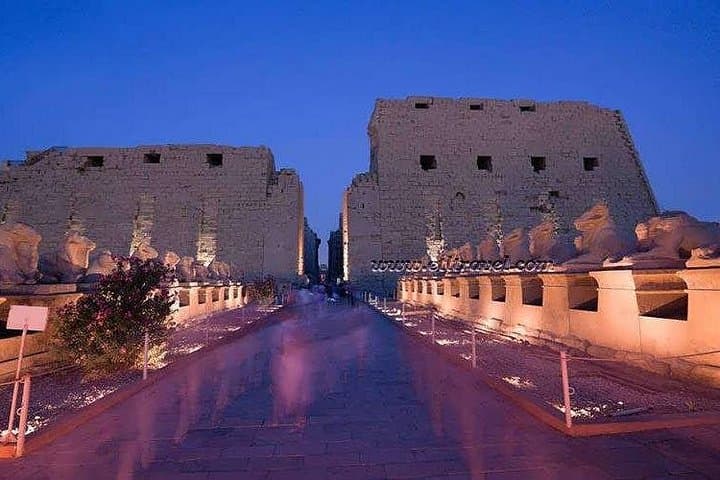
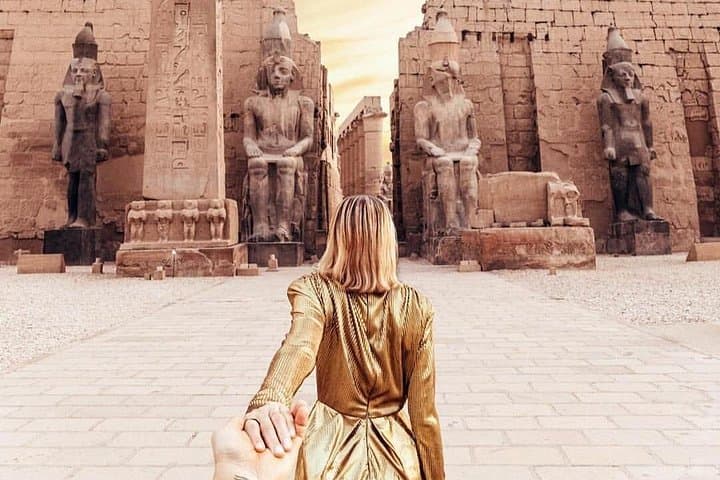
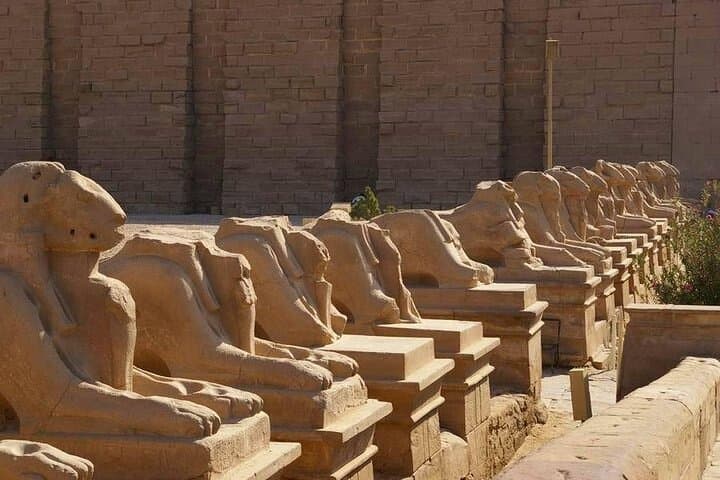
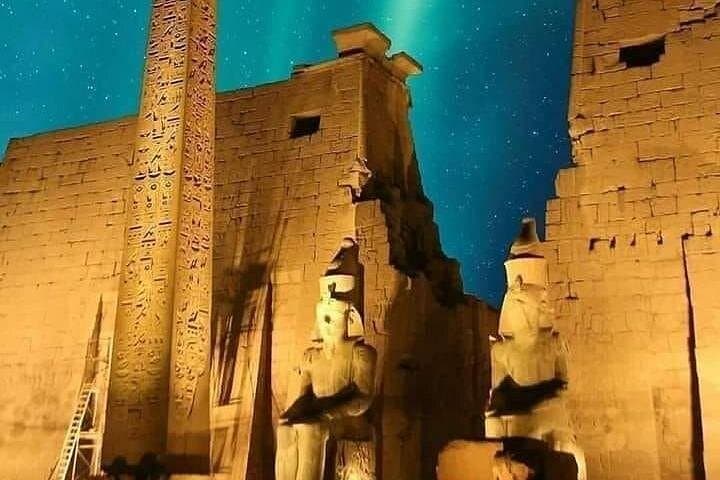
You arrive to the heat-pressed stone of Cairo and within hours the city gives way to a different pace: the Nile, broad and patient, threading towns and temples that have kept watch over this river for millennia.
You arrive to the heat-pressed stone of Cairo and within hours the city gives way to a different pace: the Nile, broad and patient, threading towns and temples that have kept watch over this river for millennia.
This eight-day loop stitches modern Cairo to Alexandria’s Mediterranean edge, then downriver through Aswan and Luxor with a three-night deluxe Nile cruise and a dawn hot-air balloon ride above the Theban plain. The itinerary moves from the Giza Plateau and Saqqara’s Step Pyramid to the marble-colonnaded Library of Alexandria; from Philae’s island sanctuary and the Aswan High Dam to the relocated colossi of Abu Simbel; and on to Kom Ombo, Edfu, Karnak, Hatshepsut and the Valley of the Kings.
Geology and history are literal here—limestone quarries shaped pharaonic blocks, the Nile’s annual floods once layered fields with silt, and the Aswan Dam changed that rhythm in the 20th century. UNESCO’s rescue of Abu Simbel in the 1960s is a visible example of how modern engineering and heritage preservation intersect.
Practical guidance: expect long days on foot, sun exposure, and uneven temple steps—start early to avoid heat and crowds. Bring sturdy walking shoes, a wide-brim hat, sunscreen and a reusable water bottle; modest dress is required at religious and archaeological sites. Currency (Egyptian pound) and small denominations for tips are useful; carry photocopies of your passport and keep main documents on the ship or hotel safe. Plan for generous walking times between monuments and book balloon flights and guided tomb visits early in the itinerary to secure permits.
Travelers who balance curiosity with patience will find this tour delivers both spectacle and context—ancient stone that still speaks if you listen.