THE ADVENTURE COLLECTIVE® · Independent discovery and booking for outdoor travel

This 7‑night VIP tour pairs Cairo’s ancient monuments with a deluxe Nile cruise to Aswan and Luxor, a sunrise balloon over the Valley of the Kings, and a carefully relocated treasure: Abu Simbel. Expect guided site visits, internal flights, and three nights aboard a premium cruise.
This 7‑night VIP tour pairs Cairo’s ancient monuments with a deluxe Nile cruise to Aswan and Luxor, a sunrise balloon over the Valley of the Kings, and a carefully relocated treasure: Abu Simbel. Expect guided site visits, internal flights, and three nights aboard a premium cruise.
Morning light hits the limestone faces of Giza and the Sphinx stares into a sky that has watched millennia of travelers. This seven-night journey moves you from Cairo’s crowded bazaars to Alexandria’s Mediterranean edge, then down the Nile by plane and by five‑star cruise—Aswan’s palm‑lined banks, Kom Ombo’s twin sanctuaries, the carven halls of Edfu, and Luxor’s funerary deserts capped by a dawn hot‑air balloon.
Verified experiences and guided adventures in the surrounding area.
Operated by Egypt Travel Line · Cairo, Cairo Governorate
Morning light hits the limestone faces of Giza and the Sphinx stares into a sky that has watched millennia of travelers. This seven-night journey moves you from Cairo’s crowded bazaars to Alexandria’s Mediterranean edge, then down the Nile by plane and by five‑star cruise—Aswan’s palm‑lined banks, Kom Ombo’s twin sanctuaries, the carven halls of Edfu, and Luxor’s funerary deserts capped by a dawn hot‑air balloon.
Geology here is blunt and honest: the pyramids sit on a limestone plateau, Saqqara’s step pyramid rises from sandstone and mudbrick, and Lake Nasser’s artificial basin swallowed ancient river terraces—forcing the rescue that moved Abu Simbel stone by stone. Culture and history layer thickly: Pharaonic temples, Greco‑Roman Alexandria with its modern library, and Nubian rhythms in Aswan. Local Egyptologists interpret hieroglyphs and politics alike, making sense of the architecture and ritual.
Practically, expect short internal flights (Cairo–Aswan, Luxor–Cairo), three nights on a Nile cruise, and daily site walks of 1–4 km on generally flat terrain with some steps and sandy paths. Temperatures can exceed 35°C in summer; mornings and evenings are the best windows for ballooning and tomb visits. Bring sun protection, comfortable walking shoes, a reusable water bottle, and modest clothing for temple entry. Allow extra time for photo stops and security checks. The Nile will nudge you forward, patient but relentless—travel with respect for fragile ruins and local customs, and the trip will deliver both spectacle and quiet moments of discovery.
moderate.
7–8 days.
Reasonable mobility and the ability to walk 1–4 km over uneven ground, climb steps, and stand during guided tours.
The tour description notes guided visits and transfers; standard packages often include core site admissions but confirm specifics and any optional tickets (e.g., inside the Great Pyramid or certain tombs) before booking.
Balloon flights are low‑impact but require an early wakeup and brief standing during landing; passengers should be able to step in and out of a low basket.
The itinerary lists wheelchair‑accessible transport and many sites have accessible areas, but some temples and tombs involve steps or uneven terrain—check with the operator for site‑by‑site access details.
Tipping is customary in Egypt for guides, drivers, and cruise staff; recommended amounts vary—ask your guide for current local guidelines.
This route traces millennia of Egyptian civilization—from Old Kingdom pyramids through Ptolemaic temples to Roman Alexandria—highlighting both pharaonic and Mediterranean influences.
Many sites are fragile and exposed to visitor wear; follow marked paths, avoid touching reliefs, and support local conservation efforts by choosing reputable guides and staying on designated walkways.
Egypt Travel Line operates guided outdoor trips and adventures with an emphasis on safety, stewardship, and memorable experiences.
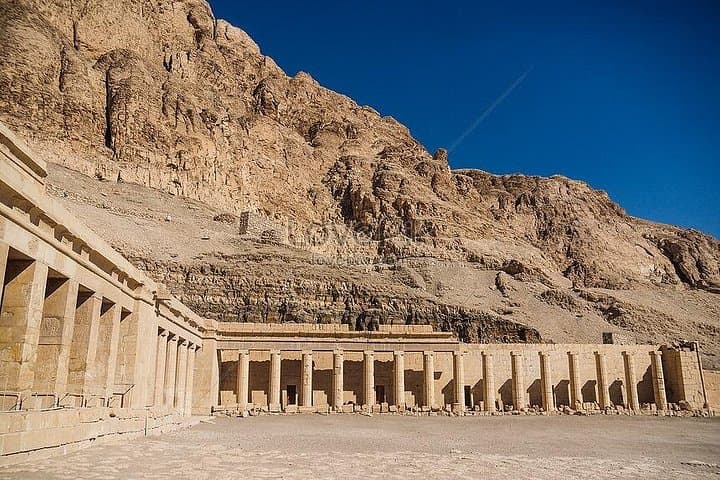
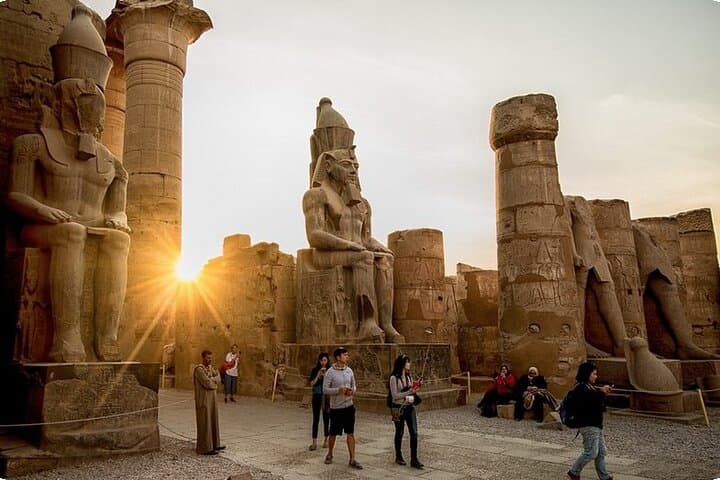
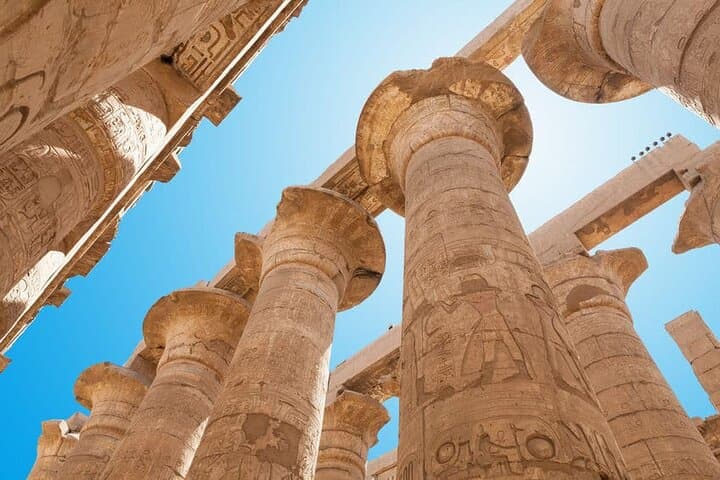

Morning light hits the limestone faces of Giza and the Sphinx stares into a sky that has watched millennia of travelers. This seven-night journey moves you from Cairo’s crowded bazaars to Alexandria’s Mediterranean edge, then down the Nile by plane and by five‑star cruise—Aswan’s palm‑lined banks, Kom Ombo’s twin sanctuaries, the carven halls of Edfu, and Luxor’s funerary deserts capped by a dawn hot‑air balloon.
Morning light hits the limestone faces of Giza and the Sphinx stares into a sky that has watched millennia of travelers. This seven-night journey moves you from Cairo’s crowded bazaars to Alexandria’s Mediterranean edge, then down the Nile by plane and by five‑star cruise—Aswan’s palm‑lined banks, Kom Ombo’s twin sanctuaries, the carven halls of Edfu, and Luxor’s funerary deserts capped by a dawn hot‑air balloon.
Geology here is blunt and honest: the pyramids sit on a limestone plateau, Saqqara’s step pyramid rises from sandstone and mudbrick, and Lake Nasser’s artificial basin swallowed ancient river terraces—forcing the rescue that moved Abu Simbel stone by stone. Culture and history layer thickly: Pharaonic temples, Greco‑Roman Alexandria with its modern library, and Nubian rhythms in Aswan. Local Egyptologists interpret hieroglyphs and politics alike, making sense of the architecture and ritual.
Practically, expect short internal flights (Cairo–Aswan, Luxor–Cairo), three nights on a Nile cruise, and daily site walks of 1–4 km on generally flat terrain with some steps and sandy paths. Temperatures can exceed 35°C in summer; mornings and evenings are the best windows for ballooning and tomb visits. Bring sun protection, comfortable walking shoes, a reusable water bottle, and modest clothing for temple entry. Allow extra time for photo stops and security checks. The Nile will nudge you forward, patient but relentless—travel with respect for fragile ruins and local customs, and the trip will deliver both spectacle and quiet moments of discovery.