THE ADVENTURE COLLECTIVE® · Independent discovery and booking for outdoor travel

A seven-day luxury circuit through Kathmandu Valley, Nagarkot and Pokhara designed for travelers over 50. Expect scenic mountain flights, UNESCO site tours, lakeside calm in Pokhara, and comfortable hotels with guided cultural visits.
A seven-day luxury circuit through Kathmandu Valley, Nagarkot and Pokhara designed for travelers over 50. Expect scenic mountain flights, UNESCO site tours, lakeside calm in Pokhara, and comfortable hotels with guided cultural visits.
You step out of Tribhuvan International Airport into a sift of warm air and the low hum of Kathmandu traffic; the valley opens around you with temple roofs and distant white ridgelines. Early on the itinerary a one-hour Everest mountain flight puts the Himalaya in sharp relief — ridges and glaciers sliding past the plane like pages — while later mornings are reserved for the calm of Phewa Lake and the slow climb of Nagarkot’s sunrise.
Verified experiences and guided adventures in the surrounding area.
Operated by Himalayan Adventure Treks and Tours Pvt Ltd · Kathmandu, Bagmati Province
You step out of Tribhuvan International Airport into a sift of warm air and the low hum of Kathmandu traffic; the valley opens around you with temple roofs and distant white ridgelines. Early on the itinerary a one-hour Everest mountain flight puts the Himalaya in sharp relief — ridges and glaciers sliding past the plane like pages — while later mornings are reserved for the calm of Phewa Lake and the slow climb of Nagarkot’s sunrise.
Kathmandu Valley is a cultural basin shaped by centuries of Newar city-states; Patan and Bhaktapur preserve pagoda temples and carved woodwork that tell stories of medieval artisans. Geologically, the route frames two mountain systems: the high, jagged peaks of the Everest and Annapurna massifs and the softer, forested foothills that cradle hill stations like Nagarkot and Sarangkot. Local life is visible at every stop — priests at Pashupatinath, prayer wheels at Boudhanath, fishermen pushing off on Phewa.
Practical guidance: the pace is deliberately gentle — short drives, brief walks on even ground, and hotel nights in four- and five-star properties. Expect early wake-ups for light — and the best — visibility at viewpoints; bring layered clothing for pre-sunrise cold at 2,100 m in Nagarkot and a comfortable pair of walking shoes for uneven temple courtyards. The Everest flight and intercity hops reduce travel fatigue but carry soft luggage limits and a small daypack for temple visits. Hydrate, keep a basic medication kit for motion or altitude mildness, and budget time for cultural respect: shoe removal, modest dress, and quiet observation in sacred spaces.
easy.
7 days.
Suitable for travelers with basic mobility — able to walk short distances, climb stairs, and manage brief walks on uneven temple or lakeside paths.
Yes — the itinerary is designed for minimal physical stress with private transfers, short walks, and hotel nights; notify the operator of mobility needs for tailored assistance.
Most stops are below or around 2,100 m (Nagarkot); altitude sickness is uncommon but stay hydrated, move slowly, and report symptoms to your guide.
Hotels (4–5 star) with breakfast, select dinners, domestic flights (Kathmandu–Pokhara), an Everest mountain flight, guided UNESCO site visits, Phewa Lake boating, and airport transfers as listed in the itinerary.
Tipping is customary for guides and drivers; modest dress and respectful behavior at temples is expected — follow your guide for specifics.
Kathmandu Valley developed as a cultural crossroads for Newar kingdoms; Patan and Bhaktapur preserve medieval architecture and artisan guild traditions recognized by UNESCO.
Visitor numbers strain fragile heritage sites and water resources; avoid single-use plastics, follow marked paths, and use local guides to minimize cultural and environmental impact.
Himalayan Adventure Treks and Tours Pvt Ltd operates guided outdoor trips and adventures with an emphasis on safety, stewardship, and memorable experiences.
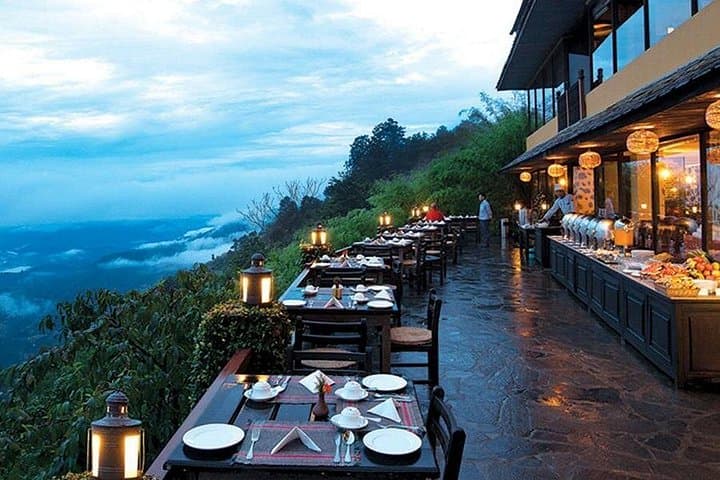
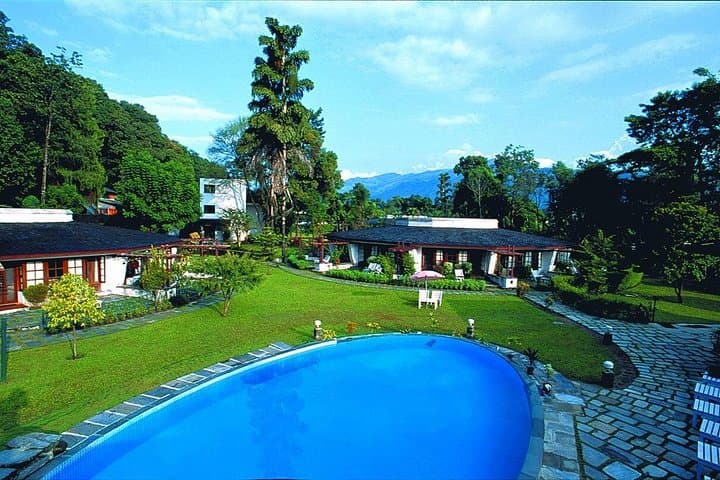

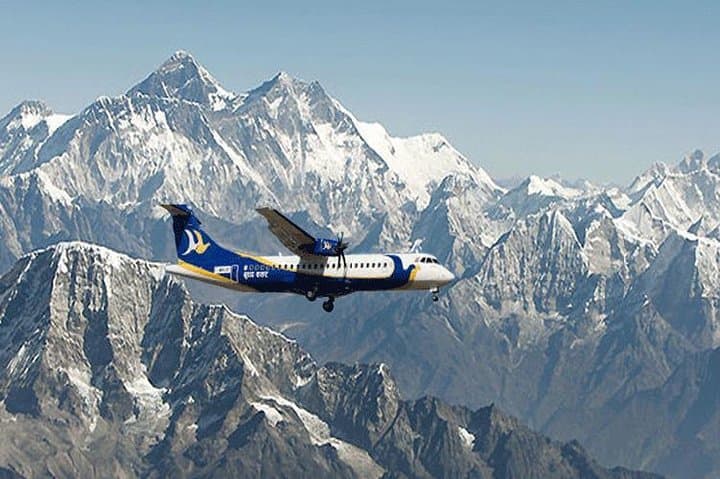
You step out of Tribhuvan International Airport into a sift of warm air and the low hum of Kathmandu traffic; the valley opens around you with temple roofs and distant white ridgelines. Early on the itinerary a one-hour Everest mountain flight puts the Himalaya in sharp relief — ridges and glaciers sliding past the plane like pages — while later mornings are reserved for the calm of Phewa Lake and the slow climb of Nagarkot’s sunrise.
You step out of Tribhuvan International Airport into a sift of warm air and the low hum of Kathmandu traffic; the valley opens around you with temple roofs and distant white ridgelines. Early on the itinerary a one-hour Everest mountain flight puts the Himalaya in sharp relief — ridges and glaciers sliding past the plane like pages — while later mornings are reserved for the calm of Phewa Lake and the slow climb of Nagarkot’s sunrise.
Kathmandu Valley is a cultural basin shaped by centuries of Newar city-states; Patan and Bhaktapur preserve pagoda temples and carved woodwork that tell stories of medieval artisans. Geologically, the route frames two mountain systems: the high, jagged peaks of the Everest and Annapurna massifs and the softer, forested foothills that cradle hill stations like Nagarkot and Sarangkot. Local life is visible at every stop — priests at Pashupatinath, prayer wheels at Boudhanath, fishermen pushing off on Phewa.
Practical guidance: the pace is deliberately gentle — short drives, brief walks on even ground, and hotel nights in four- and five-star properties. Expect early wake-ups for light — and the best — visibility at viewpoints; bring layered clothing for pre-sunrise cold at 2,100 m in Nagarkot and a comfortable pair of walking shoes for uneven temple courtyards. The Everest flight and intercity hops reduce travel fatigue but carry soft luggage limits and a small daypack for temple visits. Hydrate, keep a basic medication kit for motion or altitude mildness, and budget time for cultural respect: shoe removal, modest dress, and quiet observation in sacred spaces.