THE ADVENTURE COLLECTIVE® · Independent discovery and booking for outdoor travel

Spend six days tracking the Great Migration and Big Five across Tarangire, Ngorongoro and northern Serengeti. This luxury itinerary combines extended game drives, expert guides, and tented lodges for an immersive, comfortable safari experience.
Spend six days tracking the Great Migration and Big Five across Tarangire, Ngorongoro and northern Serengeti. This luxury itinerary combines extended game drives, expert guides, and tented lodges for an immersive, comfortable safari experience.
Dust lifts like a curtain as your 4x4 pulls out of Arusha at dawn; acacia crowns cut the skyline and the first birdsong gives way to the measured breathing of the plains. Over six days you move from the baobab-dotted riverbeds of Tarangire through the high rim of Ngorongoro into the sweeping grasses of the Serengeti, where herds press the horizon and predators pace the edges.
Verified experiences and guided adventures in the surrounding area.
Operated by Afrishare Trekking and Safaris · Arusha, Arusha Region
Dust lifts like a curtain as your 4x4 pulls out of Arusha at dawn; acacia crowns cut the skyline and the first birdsong gives way to the measured breathing of the plains. Over six days you move from the baobab-dotted riverbeds of Tarangire through the high rim of Ngorongoro into the sweeping grasses of the Serengeti, where herds press the horizon and predators pace the edges.
This route threads key natural and human history: Olduvai Gorge—where early hominid remains reshaped our understanding of human origins—lies along the transit toward Serengeti. Ngorongoro’s crater is an extinct volcanic caldera whose enclosed ecosystem concentrates wildlife in a way few places on Earth can match. Maasai communities still live seasonally on park margins, their livestock and traditional knowledge part of the cultural landscape.
Expect long game drives (hours at a stretch), early wakeups for peak animal activity, and a rhythm set by light and animal movement rather than clocks. Guides read spoor and sky alike; rivers and migration routes feel almost intentional, steering herds and safari itineraries.
Practical side: plan for dust and sun—wide-brim hats, layered clothing for cool mornings and hot afternoons, and sturdy walking shoes for short walks. Optional extras often include a hot-air balloon over the plains and evening drives on request. Accommodations range from luxury tented camps to permanent lodges; park fees and professional guide services are normally included. Bring binoculars, a camera with telephoto reach, and patience—wildlife moves on its terms, and that timing is the real reward.
easy.
6 days.
Suitable for most fitness levels; involves long periods seated in vehicles with occasional short walks and transfers between lodges
The northern Serengeti is typically best for migration viewing in the dry season (June–October), with peak river crossings often occurring between July and October depending on the year.
This luxury itinerary typically includes national park fees and a professional guide; confirm inclusions with your operator before booking.
Yes—balloon safaris are offered as an optional extra in parts of Serengeti and must be reserved in advance; they operate early in the morning and have additional costs.
The itinerary is described as suitable for all fitness levels and private tours can often accommodate children; however mobility limitations may affect enjoyment of game drives and transfers—discuss specific needs with the operator prior to booking.
Olduvai Gorge, passed en route, is where paleontologists discovered some of the oldest human ancestor remains; Ngorongoro is a collapsed volcanic caldera whose enclosed ecosystem supports dense wildlife populations.
Parks balance tourism revenue with conservation fees that fund anti-poaching and community projects; choose operators that support local communities and minimize vehicle impact by following park rules.
Afrishare Trekking and Safaris operates guided outdoor trips and adventures with an emphasis on safety, stewardship, and memorable experiences.
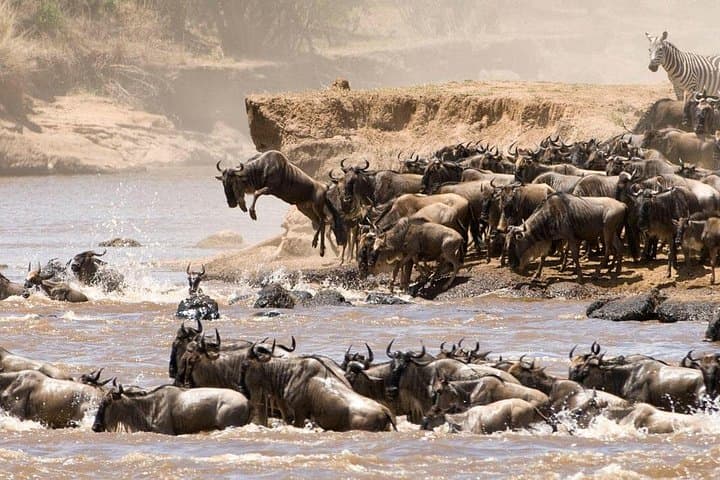
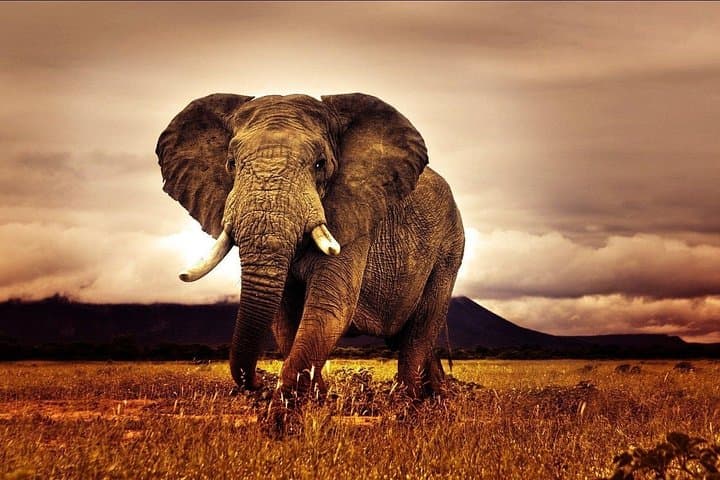
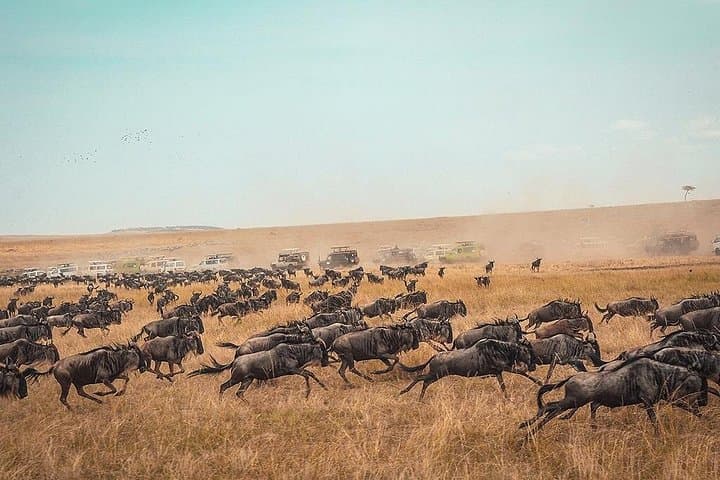
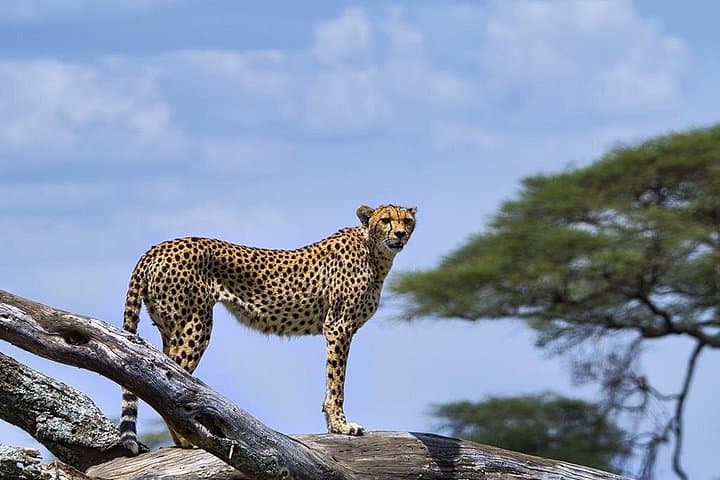
Dust lifts like a curtain as your 4x4 pulls out of Arusha at dawn; acacia crowns cut the skyline and the first birdsong gives way to the measured breathing of the plains. Over six days you move from the baobab-dotted riverbeds of Tarangire through the high rim of Ngorongoro into the sweeping grasses of the Serengeti, where herds press the horizon and predators pace the edges.
Dust lifts like a curtain as your 4x4 pulls out of Arusha at dawn; acacia crowns cut the skyline and the first birdsong gives way to the measured breathing of the plains. Over six days you move from the baobab-dotted riverbeds of Tarangire through the high rim of Ngorongoro into the sweeping grasses of the Serengeti, where herds press the horizon and predators pace the edges.
This route threads key natural and human history: Olduvai Gorge—where early hominid remains reshaped our understanding of human origins—lies along the transit toward Serengeti. Ngorongoro’s crater is an extinct volcanic caldera whose enclosed ecosystem concentrates wildlife in a way few places on Earth can match. Maasai communities still live seasonally on park margins, their livestock and traditional knowledge part of the cultural landscape.
Expect long game drives (hours at a stretch), early wakeups for peak animal activity, and a rhythm set by light and animal movement rather than clocks. Guides read spoor and sky alike; rivers and migration routes feel almost intentional, steering herds and safari itineraries.
Practical side: plan for dust and sun—wide-brim hats, layered clothing for cool mornings and hot afternoons, and sturdy walking shoes for short walks. Optional extras often include a hot-air balloon over the plains and evening drives on request. Accommodations range from luxury tented camps to permanent lodges; park fees and professional guide services are normally included. Bring binoculars, a camera with telephoto reach, and patience—wildlife moves on its terms, and that timing is the real reward.