THE ADVENTURE COLLECTIVE® · Independent discovery and booking for outdoor travel

Float between Luxor and Aswan on a five-day luxury Nile cruise that pairs relaxed river travel with guided visits to Karnak, the Valley of the Kings, Edfu, Kom Ombo and Philae. Expect curated history, moderate walks, and sunlit river views.
Float between Luxor and Aswan on a five-day luxury Nile cruise that pairs relaxed river travel with guided visits to Karnak, the Valley of the Kings, Edfu, Kom Ombo and Philae. Expect curated history, moderate walks, and sunlit river views.
The sun lifts off the desert and the Nile takes it in stride, sliding a ribbon of light along the ship’s rail as travelers step aboard in Luxor. On deck, palm-lined banks drift past like pages; on shore, temple colonnades puncture the horizon. This is a slow-moving passage through Egypt’s layered past, where every bend redisplays pharaonic stone against the river’s steady pulse.
Verified experiences and guided adventures in the surrounding area.
Operated by Egypt Best Day Tours · Luxor, Luxor Governorate
The sun lifts off the desert and the Nile takes it in stride, sliding a ribbon of light along the ship’s rail as travelers step aboard in Luxor. On deck, palm-lined banks drift past like pages; on shore, temple colonnades puncture the horizon. This is a slow-moving passage through Egypt’s layered past, where every bend redisplays pharaonic stone against the river’s steady pulse.
Over five days the cruise threads Luxor’s East and West Banks, the carved terraces of Deir el-Bahari, the funerary avenues of the Valley of the Kings, and the imposing pylons at Karnak. Geologically, the Nile’s floodplain here is a narrow fertile ribbon between the Sahara and the Nile cataract zone; the river’s seasonal rhythms shaped ancient settlement patterns and temple alignment. Culturally, stops at Edfu and Kom Ombo reveal Hellenistic and Ptolemaic influences layered atop much older Egyptian rites. Aswan’s High Dam and the relocated Temple of Philae illustrate 20th-century interventions that reshaped both landscape and heritage.
Practical guidance: expect guided shore excursions each day with moderate walking, uneven steps inside temples, and short boat transfers for island visits. Bring sun protection, a hat, and comfortable walking shoes; early mornings and late afternoons are the best times to visit sites to avoid heat and crowds. Cash in Egyptian pounds is useful for markets and tips, but major services accept cards.
This cruise packs relaxation and sustained cultural engagement — plan for steady pacing, reusable water, and an appetite for close-up encounters with millennia of carved stone and the river that keeps it alive.
easy.
5 days (4 nights).
Suitable for most fitness levels; participants should be able to walk short distances and climb temple steps.
Most nationalities require a tourist visa for Egypt; check your embassy for current rules and obtain the visa in advance or on arrival where applicable.
Admissions vary by itinerary—confirm with the operator which site entrance fees are covered; many guided tours include main temple admissions.
Tipping is customary; budget per-person amounts for your guide, drivers, and ship staff and carry small bills in Egyptian pounds.
The cruise itself is accessible, but many archaeological sites have stairs, uneven surfaces, and limited ramps—discuss mobility needs with the operator beforehand.
The Luxor–Aswan corridor was the heartland of ancient Egyptian civilization; many temples were aligned to the Nile’s course and the political power of Thebes and later Ptolemaic centers.
Rising tourism and river traffic put pressure on fragile archaeological sites and local ecosystems; choose operators that follow waste-reduction practices and respect site rules.
Egypt Best Day Tours operates guided outdoor trips and adventures with an emphasis on safety, stewardship, and memorable experiences.
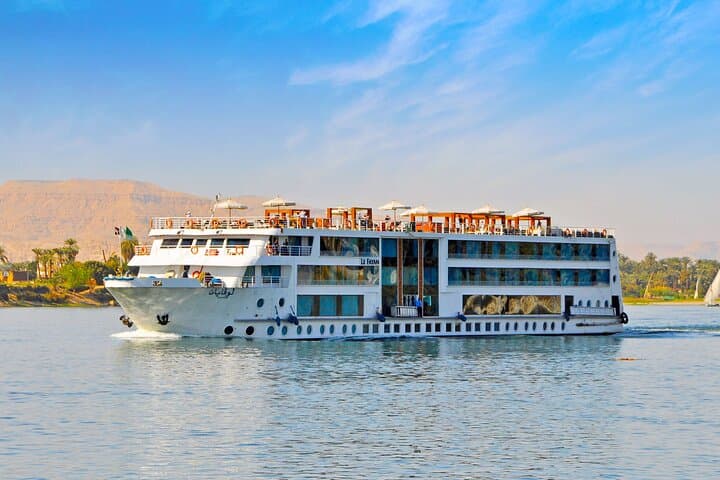
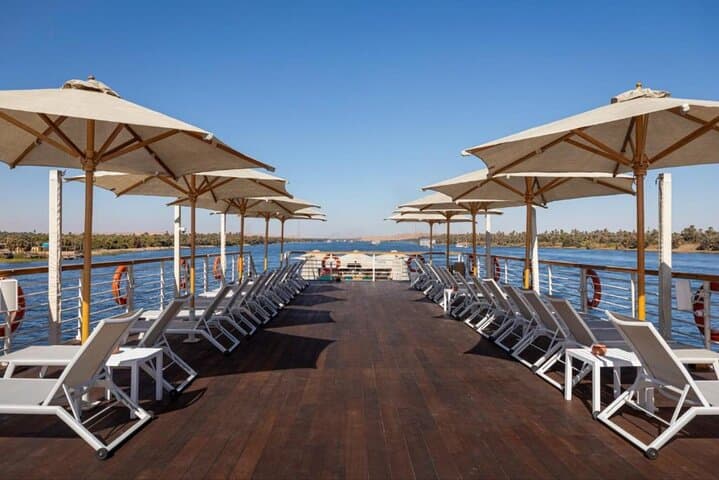
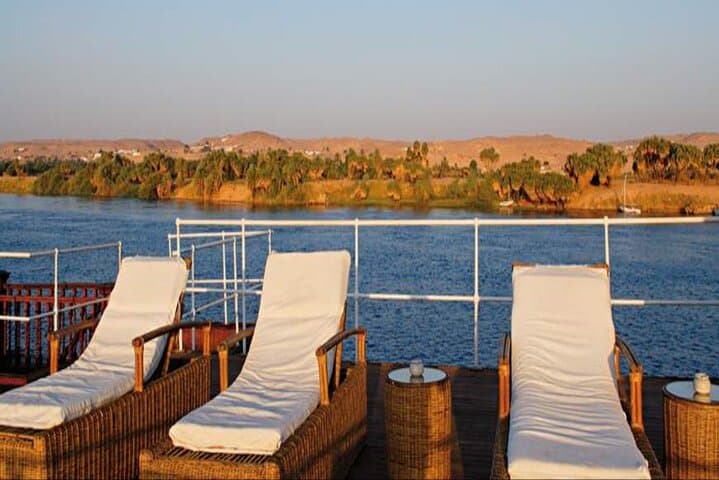
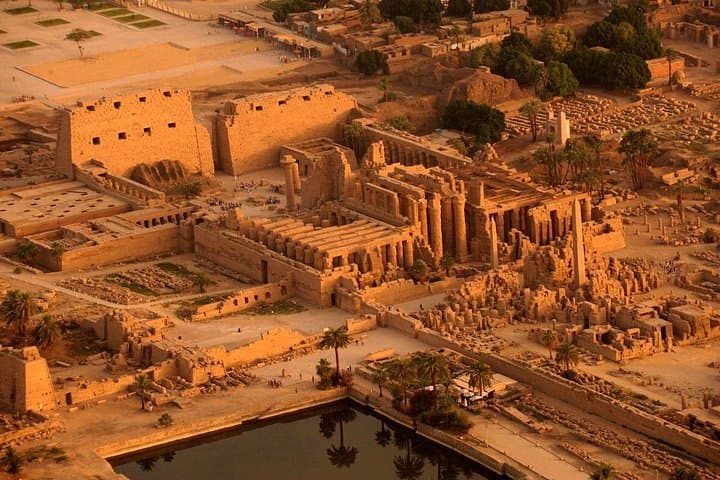
The sun lifts off the desert and the Nile takes it in stride, sliding a ribbon of light along the ship’s rail as travelers step aboard in Luxor. On deck, palm-lined banks drift past like pages; on shore, temple colonnades puncture the horizon. This is a slow-moving passage through Egypt’s layered past, where every bend redisplays pharaonic stone against the river’s steady pulse.
The sun lifts off the desert and the Nile takes it in stride, sliding a ribbon of light along the ship’s rail as travelers step aboard in Luxor. On deck, palm-lined banks drift past like pages; on shore, temple colonnades puncture the horizon. This is a slow-moving passage through Egypt’s layered past, where every bend redisplays pharaonic stone against the river’s steady pulse.
Over five days the cruise threads Luxor’s East and West Banks, the carved terraces of Deir el-Bahari, the funerary avenues of the Valley of the Kings, and the imposing pylons at Karnak. Geologically, the Nile’s floodplain here is a narrow fertile ribbon between the Sahara and the Nile cataract zone; the river’s seasonal rhythms shaped ancient settlement patterns and temple alignment. Culturally, stops at Edfu and Kom Ombo reveal Hellenistic and Ptolemaic influences layered atop much older Egyptian rites. Aswan’s High Dam and the relocated Temple of Philae illustrate 20th-century interventions that reshaped both landscape and heritage.
Practical guidance: expect guided shore excursions each day with moderate walking, uneven steps inside temples, and short boat transfers for island visits. Bring sun protection, a hat, and comfortable walking shoes; early mornings and late afternoons are the best times to visit sites to avoid heat and crowds. Cash in Egyptian pounds is useful for markets and tips, but major services accept cards.
This cruise packs relaxation and sustained cultural engagement — plan for steady pacing, reusable water, and an appetite for close-up encounters with millennia of carved stone and the river that keeps it alive.