THE ADVENTURE COLLECTIVE® · Independent discovery and booking for outdoor travel

Drive from Casablanca through Fes, the cedar forests and the High Atlas to Erg Chebbi’s towering dunes, ending in Marrakech. This five-day private luxury tour blends guided cultural walks, a camel-led desert night, and scenic mountain passes with comfortable riads and camps.
Drive from Casablanca through Fes, the cedar forests and the High Atlas to Erg Chebbi’s towering dunes, ending in Marrakech. This five-day private luxury tour blends guided cultural walks, a camel-led desert night, and scenic mountain passes with comfortable riads and camps.
The convoy leaves Casablanca before dawn, headlights sliding over orange groves as the Atlantic city falls away. By midafternoon the road climbs into cedar forests and cedar-strewn plateaus; by Day 3 the landscape changes again—rock gives way to wind-sculpted sand and a horizon that seems to breathe in dunes.
Verified experiences and guided adventures in the surrounding area.
Operated by Morocco Tours Services · Casablanca, Casablanca-Settat
The convoy leaves Casablanca before dawn, headlights sliding over orange groves as the Atlantic city falls away. By midafternoon the road climbs into cedar forests and cedar-strewn plateaus; by Day 3 the landscape changes again—rock gives way to wind-sculpted sand and a horizon that seems to breathe in dunes.
This route traces central Morocco’s long history: Roman ruins at Volubilis, imperial cities founded under the Idrisids and Marinids, and the mud-brick kasbahs of the south built for defense and trade. Geologically the trip moves from Atlantic coastal plain to the folded High Atlas and down into the Saharan sands of Erg Chebbi, where the dunes are recent, wind-made features atop older sedimentary basins. Culture here is layered—Arab, Berber and Andalusian influences show up in Fes’s medina, the Glaoui-era kasbahs at Ait Ben Haddou, and the rose-harvesting villages of the Dades Valley.
Practical notes: expect long drives (several 3–5 hour legs), comfortable 4x4 transfers, and a mix of riad and luxury desert-camp nights. Bring sun protection and a lightweight buff for sand, and plan daylight for photo stops at Tizi n’Tichka and the Merzouga sunset. The camel ride to the camp is short and managed by local guides; walking in the medinas is on uneven cobbles. Cash (dirham) is useful in small towns; tipping and local purchases support guides and artisans. Travel windows: arrive in Casablanca the evening before or allow an early pickup; pack layers for chilly desert mornings and warm days. This itinerary suits travelers seeking cultural depth, controlled adventure, and comfortable accommodations across Morocco’s shifting landscapes.
easy.
5 days.
Suitable for travelers in basic good health; most travel is by vehicle with short walks, a camel ride, and moderate transfers.
Yes—pickup from Casablanca airport or select hotels is included; confirm your arrival details during booking.
The tour uses luxury riads and kasbah-style hotels plus a luxury desert camp with private or shared tent options as advertised.
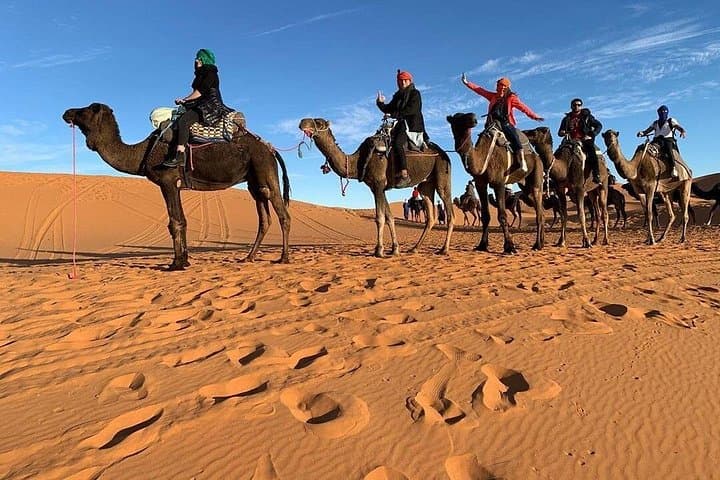
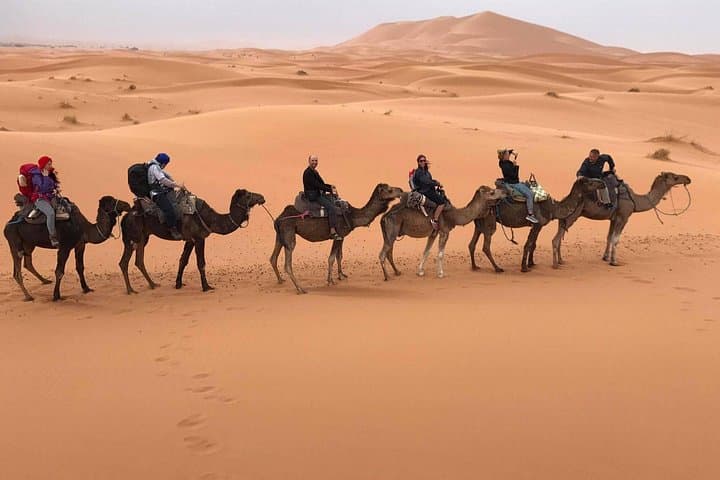
The camel rides are short and guided; they require basic mobility to mount and dismount but are suitable for most travelers.
Breakfast is included throughout; multiple dinners are included (noted in the itinerary), while lunches are usually arranged at stops and may be at the traveler’s expense if not specified.
The route links Roman-era Volubilis, medieval Fes (a UNESCO World Heritage medina), and the Glaoui-era kasbahs of southern Morocco, reflecting centuries of trade and imperial influence.
Dune ecosystems are fragile—stay on designated paths in erg areas, avoid removing vegetation or fossil samples, and support community-led camps and guides to promote sustainable tourism.
Morocco Tours Services operates guided outdoor trips and adventures with an emphasis on safety, stewardship, and memorable experiences.
The convoy leaves Casablanca before dawn, headlights sliding over orange groves as the Atlantic city falls away. By midafternoon the road climbs into cedar forests and cedar-strewn plateaus; by Day 3 the landscape changes again—rock gives way to wind-sculpted sand and a horizon that seems to breathe in dunes.
The convoy leaves Casablanca before dawn, headlights sliding over orange groves as the Atlantic city falls away. By midafternoon the road climbs into cedar forests and cedar-strewn plateaus; by Day 3 the landscape changes again—rock gives way to wind-sculpted sand and a horizon that seems to breathe in dunes.
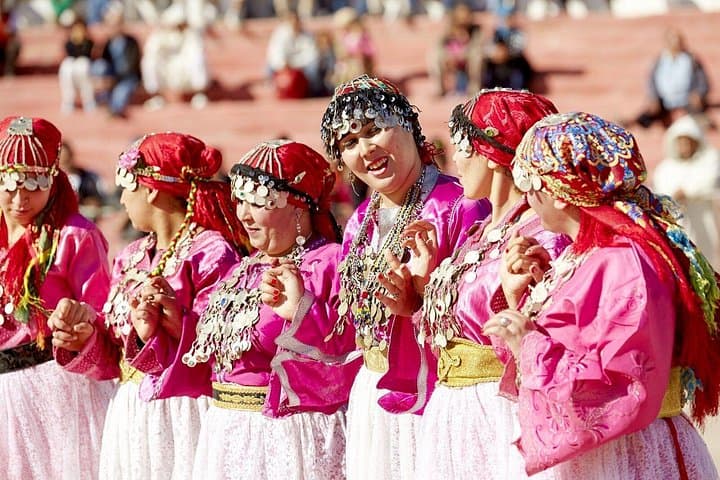
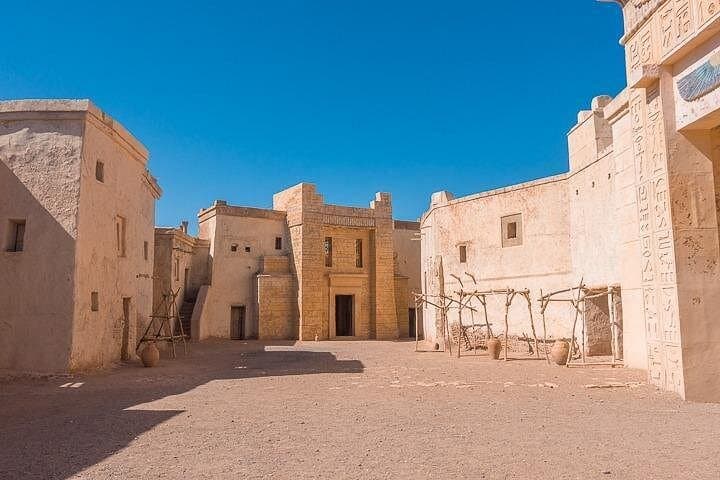
This route traces central Morocco’s long history: Roman ruins at Volubilis, imperial cities founded under the Idrisids and Marinids, and the mud-brick kasbahs of the south built for defense and trade. Geologically the trip moves from Atlantic coastal plain to the folded High Atlas and down into the Saharan sands of Erg Chebbi, where the dunes are recent, wind-made features atop older sedimentary basins. Culture here is layered—Arab, Berber and Andalusian influences show up in Fes’s medina, the Glaoui-era kasbahs at Ait Ben Haddou, and the rose-harvesting villages of the Dades Valley.
Practical notes: expect long drives (several 3–5 hour legs), comfortable 4x4 transfers, and a mix of riad and luxury desert-camp nights. Bring sun protection and a lightweight buff for sand, and plan daylight for photo stops at Tizi n’Tichka and the Merzouga sunset. The camel ride to the camp is short and managed by local guides; walking in the medinas is on uneven cobbles. Cash (dirham) is useful in small towns; tipping and local purchases support guides and artisans. Travel windows: arrive in Casablanca the evening before or allow an early pickup; pack layers for chilly desert mornings and warm days. This itinerary suits travelers seeking cultural depth, controlled adventure, and comfortable accommodations across Morocco’s shifting landscapes.