THE ADVENTURE COLLECTIVE® · Independent discovery and booking for outdoor travel

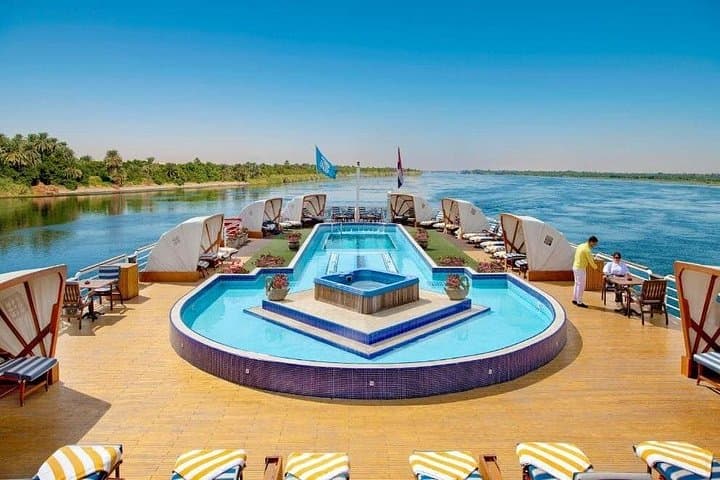
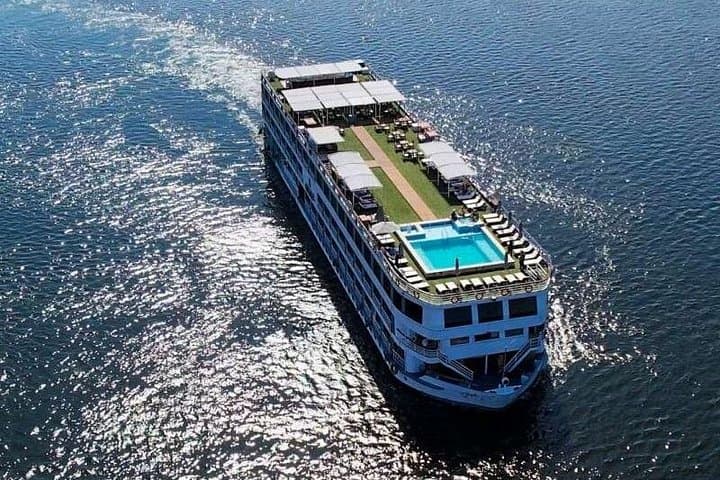
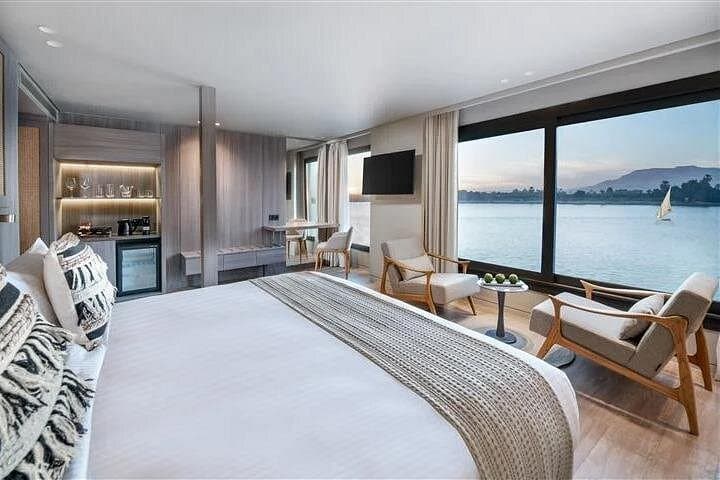
Sail four days down the Nile from Luxor to Aswan, visiting Esna, Edfu, Kom Ombo and Philae while enjoying onboard meals and sunset decks. This private, wheelchair-accessible cruise combines relaxed river travel with short temple excursions—ideal for travelers who prefer comfort with cultural depth.
Sail four days down the Nile from Luxor to Aswan, visiting Esna, Edfu, Kom Ombo and Philae while enjoying onboard meals and sunset decks. This private, wheelchair-accessible cruise combines relaxed river travel with short temple excursions—ideal for travelers who prefer comfort with cultural depth.
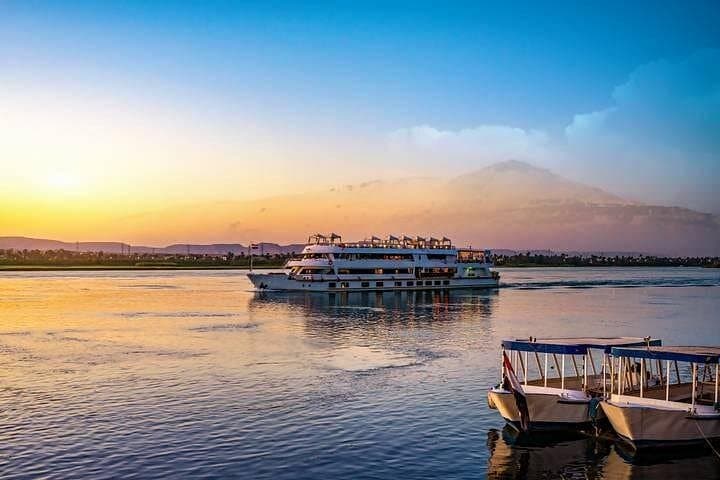
Dust lifts off the riverbank as the boat slips away from Luxor at dusk; lanterns blink on deck and the Nile widens into slow silver. For four days you follow the river’s patient curve south, moving past reed beds, low stone quays and the cliff edges that mark the transition from Upper Egypt’s cultivated valley to the granite and sandstone of the Aswan region.
Verified experiences and guided adventures in the surrounding area.
Operated by Fathi · Luxor, Luxor Governorate
Dust lifts off the riverbank as the boat slips away from Luxor at dusk; lanterns blink on deck and the Nile widens into slow silver. For four days you follow the river’s patient curve south, moving past reed beds, low stone quays and the cliff edges that mark the transition from Upper Egypt’s cultivated valley to the granite and sandstone of the Aswan region.
This itinerary threads classical Egyptian history and living Nile culture: morning walks to Esna’s columned hypostyle hall, the late-afternoon hush of Edfu’s temple dedicated to Horus, the symmetrical twin shrines of Kom Ombo honoring Sobek, and the island shrine of Philae near Aswan—sites that reflect dynastic temple-building and Nile-based trade stretching back millennia. Geologically the river cuts through alluvial plains then into harder Nubian sandstone near Aswan; watch the banks change from mud-brick villages to boulder-strewn islands.
Practically, expect steady, low-effort days aboard a private, staffed dahabiya-style cruiser with three meals daily included. Temple visits often require short shuttle launches and walking on uneven stone; confirm whether entry fees are included and carry local currency for tips and small purchases. Pack sun protection, supportive shoes for temple approaches, a light layer for cool mornings and evenings, and travel documents (passport and visa) readily accessible. Hydrate between excursions, time temple visits to avoid midday heat, and plan for gentle pacing—this is river travel that rewards patience and attention to detail rather than strenuous effort.
easy.
4 days.
Suitable for travelers of most fitness levels; walking at temples involves short, uneven sections.
The itinerary lists temple visits but marks admission as not applicable—confirm with the operator whether entry fees and local launch transfers are included.
The listing indicates wheelchair accessibility for transport and surfaces, but confirm specific boarding arrangements and any shore transfer requirements before booking.
Private tours typically provide an English-speaking guide; check the booking details if you need another language or a specialist Egyptologist.
Tipping is customary in Egypt—bring small denominations of local currency for guides, drivers and boat staff, or ask the operator for suggested amounts.
The Luxor–Aswan corridor follows the Nile’s ancient artery: pharaonic temples, Ptolemaic additions and Roman repairs overlay centuries of ritual and river commerce.
The Nile’s ecology is sensitive to pollution and tourism pressure; minimize single-use plastics, respect fenced archaeological zones, and follow local guidance to reduce shoreline disturbance.
Fathi operates guided outdoor trips and adventures with an emphasis on safety, stewardship, and memorable experiences.
Dust lifts off the riverbank as the boat slips away from Luxor at dusk; lanterns blink on deck and the Nile widens into slow silver. For four days you follow the river’s patient curve south, moving past reed beds, low stone quays and the cliff edges that mark the transition from Upper Egypt’s cultivated valley to the granite and sandstone of the Aswan region.
Dust lifts off the riverbank as the boat slips away from Luxor at dusk; lanterns blink on deck and the Nile widens into slow silver. For four days you follow the river’s patient curve south, moving past reed beds, low stone quays and the cliff edges that mark the transition from Upper Egypt’s cultivated valley to the granite and sandstone of the Aswan region.
This itinerary threads classical Egyptian history and living Nile culture: morning walks to Esna’s columned hypostyle hall, the late-afternoon hush of Edfu’s temple dedicated to Horus, the symmetrical twin shrines of Kom Ombo honoring Sobek, and the island shrine of Philae near Aswan—sites that reflect dynastic temple-building and Nile-based trade stretching back millennia. Geologically the river cuts through alluvial plains then into harder Nubian sandstone near Aswan; watch the banks change from mud-brick villages to boulder-strewn islands.
Practically, expect steady, low-effort days aboard a private, staffed dahabiya-style cruiser with three meals daily included. Temple visits often require short shuttle launches and walking on uneven stone; confirm whether entry fees are included and carry local currency for tips and small purchases. Pack sun protection, supportive shoes for temple approaches, a light layer for cool mornings and evenings, and travel documents (passport and visa) readily accessible. Hydrate between excursions, time temple visits to avoid midday heat, and plan for gentle pacing—this is river travel that rewards patience and attention to detail rather than strenuous effort.