THE ADVENTURE COLLECTIVE® · Independent discovery and booking for outdoor travel

Sail four days along the Nile from Luxor to Aswan with guided temple tours and an optional hot air balloon over Luxor at sunrise. This deluxe cruise pairs Egyptologist-led visits—Valley of the Kings, Karnak, Abu Simbel—with comfortable onboard cabins and daily meals.
Sail four days along the Nile from Luxor to Aswan with guided temple tours and an optional hot air balloon over Luxor at sunrise. This deluxe cruise pairs Egyptologist-led visits—Valley of the Kings, Karnak, Abu Simbel—with comfortable onboard cabins and daily meals.
You wake before dawn in Luxor, the sky still cool, and the Nile whispers against the hull as the cruise slips away from the quay. Hot air balloons inflate like slow-breathing beasts over the West Bank, lifting passengers above the Valley of the Kings where tomb entrances cut into the limestone cliffs. Below, the river threads palm-lined islands and orange-baked desert, pulling the ship south toward Aswan.
Verified experiences and guided adventures in the surrounding area.
Operated by Egypt tours Gateway · Luxor, Luxor Governorate
You wake before dawn in Luxor, the sky still cool, and the Nile whispers against the hull as the cruise slips away from the quay. Hot air balloons inflate like slow-breathing beasts over the West Bank, lifting passengers above the Valley of the Kings where tomb entrances cut into the limestone cliffs. Below, the river threads palm-lined islands and orange-baked desert, pulling the ship south toward Aswan.
This journey follows the pharaonic spine of southern Egypt — Thebes and its temples, Greco-Roman additions, and the colossal works of Ramses II at Abu Simbel. The river cuts through alluvial plains deposited over millennia; temples sit on higher, fossil-rich sandstone and mudstone benches carved out by seasonal floods before the High Dam era. Along the banks, Nubian culture adds bright color and a distinct heritage visible in Aswan’s markets and island villages.
Practically, expect early starts for temple visits and the balloon launch at sunrise; temple interiors are cool but require climbing stone steps and walking uneven surfaces. The cruise covers roughly 220 km of river travel between Luxor and Aswan, with a road transfer to Abu Simbel that can take 3–4 hours each way. Pack sun protection, sturdy walking shoes, and a small daypack for camera gear and water.
Guides on board are Egyptologists who contextualize hieroglyphs and ritual spaces; boat staff handle most logistics so you can focus on the sites and river vistas. Be prepared for bright light, crowds at key monuments, and the slow, persistent motion of the Nile — a river that seems to nudge you forward, patient and constant.
easy.
4 days.
Suitable for travelers in general good health; expect short hikes, stairs, and moderate walking over uneven surfaces
The balloon ride is listed as an optional inclusion—confirm at booking and expect an early-morning departure and safety briefing.
The itinerary covers about four days of river travel and guided stops, with roughly 220 km of river distance and multiple onshore excursions.
Yes—this itinerary includes a small-group vehicle transfer to Abu Simbel; plan for a 3–4 hour drive each way depending on traffic and border checks.
Meals listed (breakfast, lunch, dinner) and local taxes are included as noted in the itinerary, but extra drinks and personal expenses are typically paid onboard or at stops.
This route traces ancient Thebes and centuries of temple building; many sites date to the New Kingdom (ca. 1550–1070 BCE) and were later repurposed by successive rulers.
Sites are sensitive to foot traffic and humidity; follow site rules, avoid touching reliefs, and use refillable bottles to reduce plastic waste.
Egypt tours Gateway operates guided outdoor trips and adventures with an emphasis on safety, stewardship, and memorable experiences.
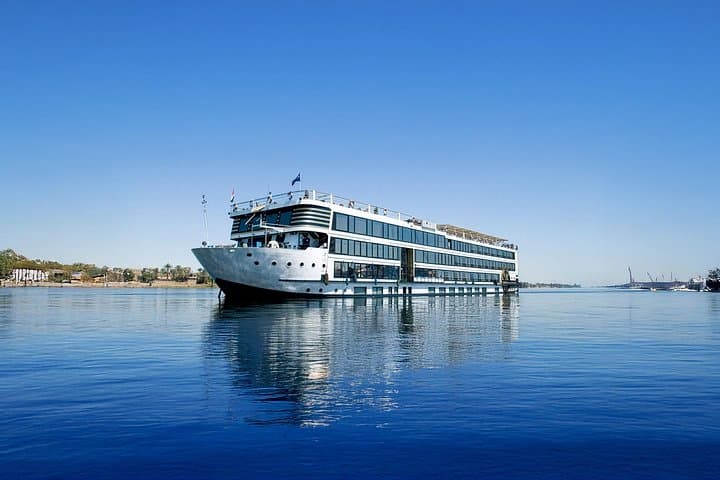
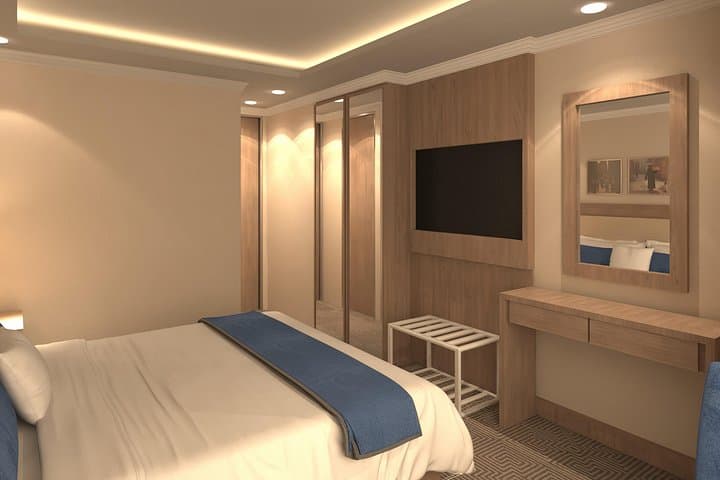
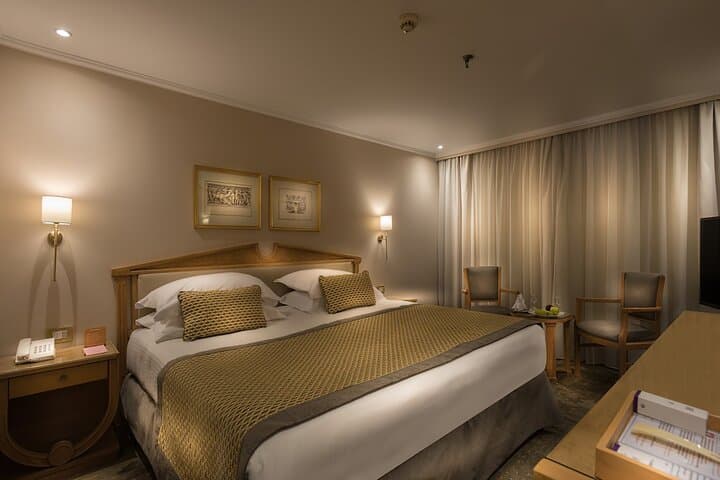
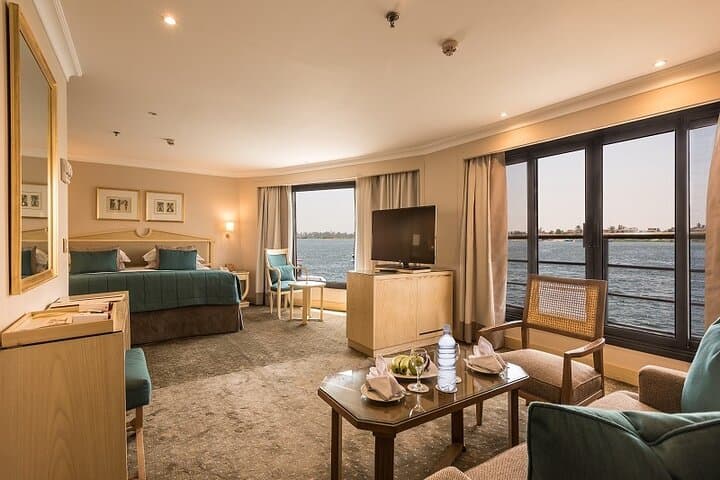
You wake before dawn in Luxor, the sky still cool, and the Nile whispers against the hull as the cruise slips away from the quay. Hot air balloons inflate like slow-breathing beasts over the West Bank, lifting passengers above the Valley of the Kings where tomb entrances cut into the limestone cliffs. Below, the river threads palm-lined islands and orange-baked desert, pulling the ship south toward Aswan.
You wake before dawn in Luxor, the sky still cool, and the Nile whispers against the hull as the cruise slips away from the quay. Hot air balloons inflate like slow-breathing beasts over the West Bank, lifting passengers above the Valley of the Kings where tomb entrances cut into the limestone cliffs. Below, the river threads palm-lined islands and orange-baked desert, pulling the ship south toward Aswan.
This journey follows the pharaonic spine of southern Egypt — Thebes and its temples, Greco-Roman additions, and the colossal works of Ramses II at Abu Simbel. The river cuts through alluvial plains deposited over millennia; temples sit on higher, fossil-rich sandstone and mudstone benches carved out by seasonal floods before the High Dam era. Along the banks, Nubian culture adds bright color and a distinct heritage visible in Aswan’s markets and island villages.
Practically, expect early starts for temple visits and the balloon launch at sunrise; temple interiors are cool but require climbing stone steps and walking uneven surfaces. The cruise covers roughly 220 km of river travel between Luxor and Aswan, with a road transfer to Abu Simbel that can take 3–4 hours each way. Pack sun protection, sturdy walking shoes, and a small daypack for camera gear and water.
Guides on board are Egyptologists who contextualize hieroglyphs and ritual spaces; boat staff handle most logistics so you can focus on the sites and river vistas. Be prepared for bright light, crowds at key monuments, and the slow, persistent motion of the Nile — a river that seems to nudge you forward, patient and constant.