THE ADVENTURE COLLECTIVE® · Independent discovery and booking for outdoor travel

A four-day private journey from Hurghada that pairs Luxor’s temple complexes with Aswan’s granite quarries and island shrines. Expect guided visits to Karnak, the Valley of the Kings, Edfu, Kom Ombo, Philae and the Unfinished Obelisk with comfortable transfers and included meals.
A four-day private journey from Hurghada that pairs Luxor’s temple complexes with Aswan’s granite quarries and island shrines. Expect guided visits to Karnak, the Valley of the Kings, Edfu, Kom Ombo, Philae and the Unfinished Obelisk with comfortable transfers and included meals.
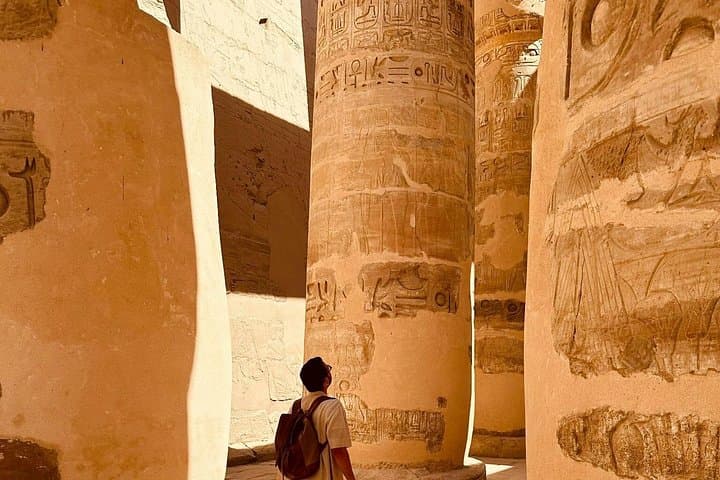
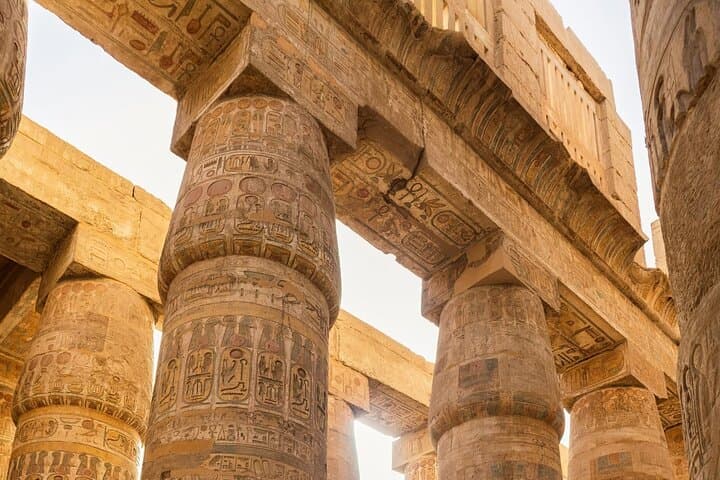
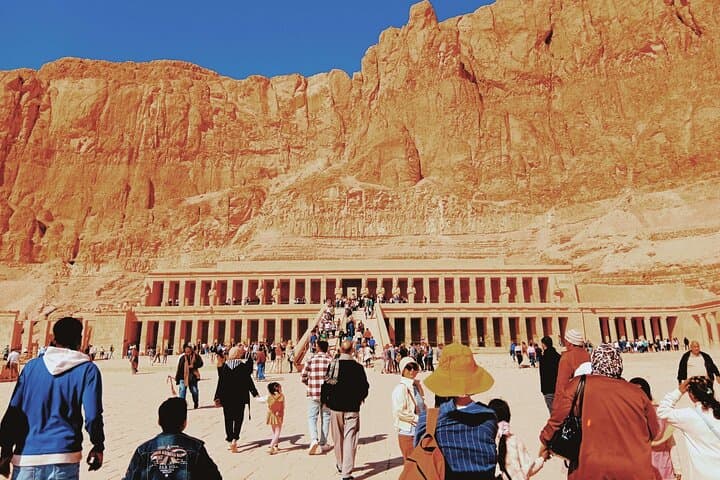
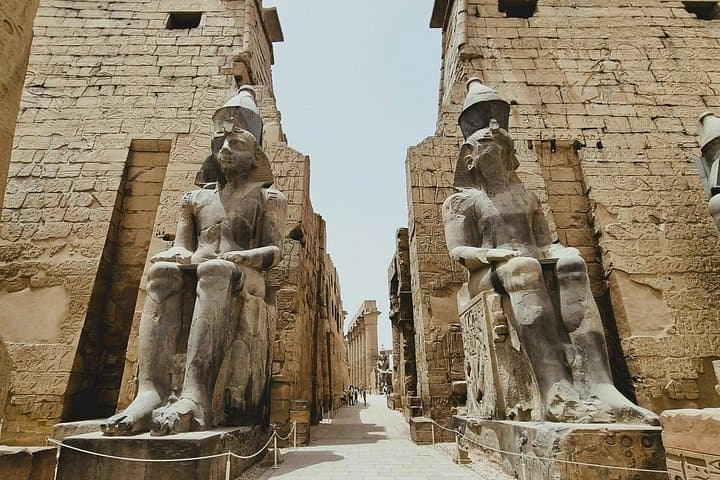
You step out of a climate-controlled vehicle and the Nile’s long slow breath seems to push the heat aside — sand-smoothed faces of pharaohs stare back as the river threads the valley. This four-day circuit runs from the Red Sea resort town of Hurghada westward to Luxor, then south along the Nile to Aswan, visiting Karnak, Luxor Temple, the Valley of the Kings, Hatshepsut’s terraces, Edfu, Kom Ombo, Philae and the Unfinished Obelisk, with an optional Abu Simbel extension.
Verified experiences and guided adventures in the surrounding area.
Operated by Egypt Travel Planning · Luxor, Luxor Governorate
You step out of a climate-controlled vehicle and the Nile’s long slow breath seems to push the heat aside — sand-smoothed faces of pharaohs stare back as the river threads the valley. This four-day circuit runs from the Red Sea resort town of Hurghada westward to Luxor, then south along the Nile to Aswan, visiting Karnak, Luxor Temple, the Valley of the Kings, Hatshepsut’s terraces, Edfu, Kom Ombo, Philae and the Unfinished Obelisk, with an optional Abu Simbel extension.
These monuments sit on geology forged by the Nile: soft alluvial floodplains edged by Precambrian granite in Aswan that ancient quarrymen shaped into obelisks and temple blocks. Culturally the route tracks millennia of Egyptian belief — the Theban Triad at Karnak, funerary corridors of the New Kingdom, and Ptolemaic-era shrines where Greco-Roman rulers kept older rituals alive.
Travel distances are moderate: Hurghada to Luxor is roughly 290 km (about 4–5 hours by road), Luxor to Aswan about 220–250 km depending on stops. Expect low elevation, flat terrain and short on-foot explorations across paved temple yards and archaeological sites — uneven stone, carved reliefs, and stairways.
Practical guidance: start early to avoid mid-day heat; carry sun protection, refill water at hotels or cafés, and keep copies of travel documents. Respect restricted zones at tombs, and budget time for ticket lines and museum stops. This is a relaxed but full-paced cultural-adventure best for travellers who want concentrated history against the steady current of the Nile.
easy.
4 days.
Suitable for most fitness levels; requires ability to walk on uneven ground and climb short stairs during site visits.
Most major sites require separate admission; this tour description notes stops but local entrance fees may be payable on arrival unless explicitly included.
No — the tour is described as suitable for all fitness levels, with short walks and low-elevation sites; however uneven surfaces and stairs are common.
Yes — Abu Simbel is commonly visited as a day trip from Aswan, but it may add substantial driving time; check whether it’s included or offered as an optional extension.
Cooler months (October–April) are more comfortable for daytime site visits; summer can be very hot in Upper Egypt.
This route traces the core of ancient Thebes and later Ptolemaic influence; many temples were expanded across dynasties as rulers added pylons, halls and obelisks.
Visitor pressure and rising tourism require respectful behavior—avoid touching reliefs, stay on marked paths, and use established facilities to limit erosion and wear.
Egypt Travel Planning operates guided outdoor trips and adventures with an emphasis on safety, stewardship, and memorable experiences.
You step out of a climate-controlled vehicle and the Nile’s long slow breath seems to push the heat aside — sand-smoothed faces of pharaohs stare back as the river threads the valley. This four-day circuit runs from the Red Sea resort town of Hurghada westward to Luxor, then south along the Nile to Aswan, visiting Karnak, Luxor Temple, the Valley of the Kings, Hatshepsut’s terraces, Edfu, Kom Ombo, Philae and the Unfinished Obelisk, with an optional Abu Simbel extension.
You step out of a climate-controlled vehicle and the Nile’s long slow breath seems to push the heat aside — sand-smoothed faces of pharaohs stare back as the river threads the valley. This four-day circuit runs from the Red Sea resort town of Hurghada westward to Luxor, then south along the Nile to Aswan, visiting Karnak, Luxor Temple, the Valley of the Kings, Hatshepsut’s terraces, Edfu, Kom Ombo, Philae and the Unfinished Obelisk, with an optional Abu Simbel extension.
These monuments sit on geology forged by the Nile: soft alluvial floodplains edged by Precambrian granite in Aswan that ancient quarrymen shaped into obelisks and temple blocks. Culturally the route tracks millennia of Egyptian belief — the Theban Triad at Karnak, funerary corridors of the New Kingdom, and Ptolemaic-era shrines where Greco-Roman rulers kept older rituals alive.
Travel distances are moderate: Hurghada to Luxor is roughly 290 km (about 4–5 hours by road), Luxor to Aswan about 220–250 km depending on stops. Expect low elevation, flat terrain and short on-foot explorations across paved temple yards and archaeological sites — uneven stone, carved reliefs, and stairways.
Practical guidance: start early to avoid mid-day heat; carry sun protection, refill water at hotels or cafés, and keep copies of travel documents. Respect restricted zones at tombs, and budget time for ticket lines and museum stops. This is a relaxed but full-paced cultural-adventure best for travellers who want concentrated history against the steady current of the Nile.