THE ADVENTURE COLLECTIVE® · Independent discovery and booking for outdoor travel

Leave the temples for a few hours and trade stone and sand for shade and fresh herbs on a West Bank farm visit near Luxor. This half-day experience pairs a gentle countryside walk with a locally made refreshing drink and a close-up look at traditional farming along the Nile.
Leave the temples for a few hours and trade stone and sand for shade and fresh herbs on a West Bank farm visit near Luxor. This half-day experience pairs a gentle countryside walk with a locally made refreshing drink and a close-up look at traditional farming along the Nile.
Morning light along the Nile throws a golden edge across palm groves as you step off the air-conditioned van onto soft, trodden earth. The West Bank’s fields open slowly—rows of vegetables, date palms swaying, and a farmhouse where conversation and the scent of fresh mint promise a simple, human counterpoint to Luxor’s stone giants.
Verified experiences and guided adventures in the surrounding area.
Operated by Luxor Best Tours · Luxor, Luxor Governorate
Morning light along the Nile throws a golden edge across palm groves as you step off the air-conditioned van onto soft, trodden earth. The West Bank’s fields open slowly—rows of vegetables, date palms swaying, and a farmhouse where conversation and the scent of fresh mint promise a simple, human counterpoint to Luxor’s stone giants.
This short half-day tour threads contemporary rural life into the long arc of the region’s history: the West Bank has supported temple cities since pharaonic times because the Nile’s annual cycles made this strip unusually fertile. Geology here is a contrast—fertile alluvial soil beside limestone cliffs that rise toward the Valley of the Kings—so a farm visit feels both intimately local and quietly connected to the ancient landscape.
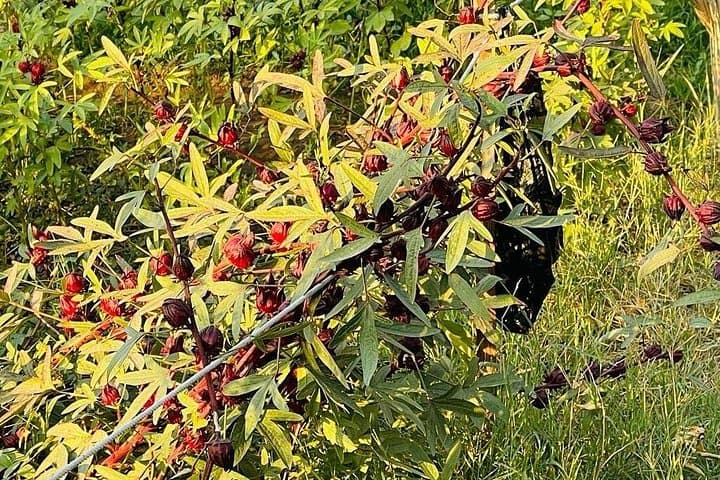
Hosts show traditional planting and irrigation practices, and you’ll sip a refreshing locally made drink—often hibiscus or mint-infused—while watching small birds and farm dogs move through the shade. The experience is low-impact and sociable: an accessible snapshot of Egyptian rural rhythms without the bustle of tourist sites.
Practical notes: the visit lasts about three to four hours including pickup; paths are flat but unpaved. Wear sun protection, bring a reusable water bottle, and carry small-change if you want to tip or buy produce. Photography is welcome, but ask before photographing people or private spaces. Morning slots are cooler and offer clearer light; late afternoons can be very warm.
This tour suits travelers seeking a short, authentic break from monuments—simple, sensory, and rooted in the Nile’s living landscape.
easy.
3–4 hours.
Light walking on flat, unpaved paths; suitable for most fitness levels
The total trip is about 3–4 hours including hotel pickup and drop-off, with roughly one to two hours spent on the farm.
Yes—your visit includes a refreshing local beverage made from fresh ingredients provided by the hosts.
Yes; the tour is family-friendly and physically easy, though infants are expected to sit on laps during transport unless otherwise arranged.
No—this is a rural farm experience. Major archaeological sites like the Valley of the Kings are nearby on the West Bank but are not part of this itinerary.
The West Bank’s fertile strips supported temple cities for millennia; farms here continue practices shaped by the Nile’s rhythms since pharaonic times.
Water management is critical—ask hosts about irrigation and choose tours that respect local resources and avoid adding waste.
Luxor Best Tours operates guided outdoor trips and adventures with an emphasis on safety, stewardship, and memorable experiences.
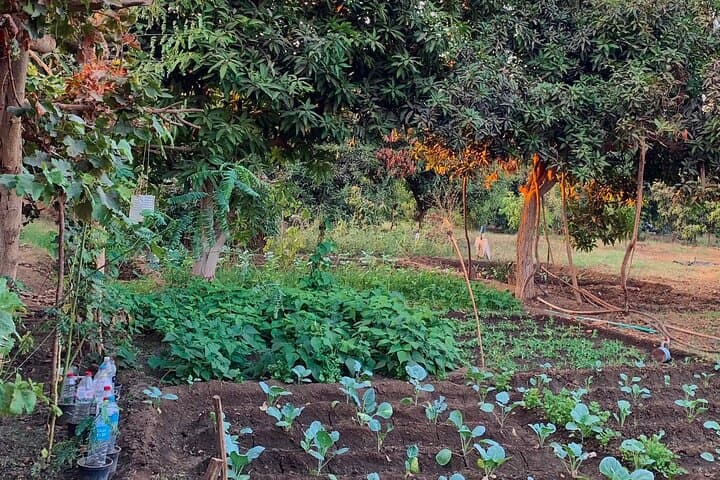
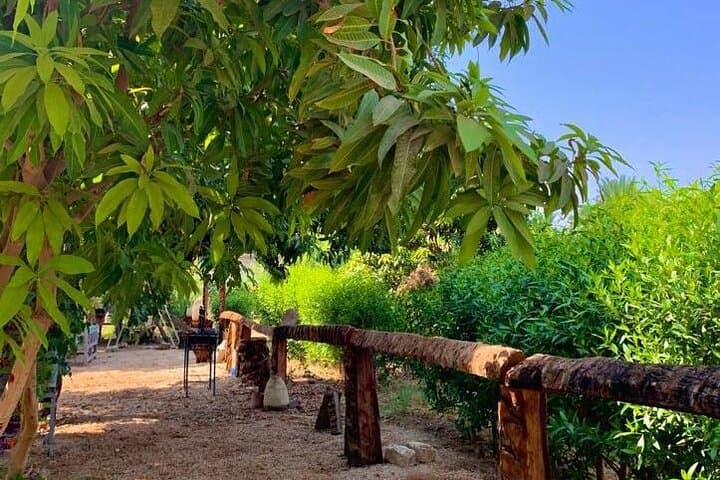
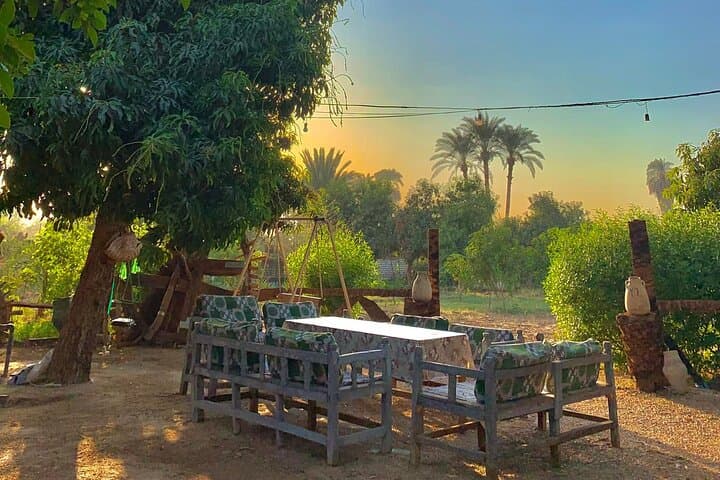
Morning light along the Nile throws a golden edge across palm groves as you step off the air-conditioned van onto soft, trodden earth. The West Bank’s fields open slowly—rows of vegetables, date palms swaying, and a farmhouse where conversation and the scent of fresh mint promise a simple, human counterpoint to Luxor’s stone giants.
Morning light along the Nile throws a golden edge across palm groves as you step off the air-conditioned van onto soft, trodden earth. The West Bank’s fields open slowly—rows of vegetables, date palms swaying, and a farmhouse where conversation and the scent of fresh mint promise a simple, human counterpoint to Luxor’s stone giants.
This short half-day tour threads contemporary rural life into the long arc of the region’s history: the West Bank has supported temple cities since pharaonic times because the Nile’s annual cycles made this strip unusually fertile. Geology here is a contrast—fertile alluvial soil beside limestone cliffs that rise toward the Valley of the Kings—so a farm visit feels both intimately local and quietly connected to the ancient landscape.
Hosts show traditional planting and irrigation practices, and you’ll sip a refreshing locally made drink—often hibiscus or mint-infused—while watching small birds and farm dogs move through the shade. The experience is low-impact and sociable: an accessible snapshot of Egyptian rural rhythms without the bustle of tourist sites.
Practical notes: the visit lasts about three to four hours including pickup; paths are flat but unpaved. Wear sun protection, bring a reusable water bottle, and carry small-change if you want to tip or buy produce. Photography is welcome, but ask before photographing people or private spaces. Morning slots are cooler and offer clearer light; late afternoons can be very warm.
This tour suits travelers seeking a short, authentic break from monuments—simple, sensory, and rooted in the Nile’s living landscape.