THE ADVENTURE COLLECTIVE® · Independent discovery and booking for outdoor travel

An eight‑hour cultural drive from Luxor to the magnificent temples of Edfu and Kom Ombo. Visit two remarkably preserved Ptolemaic sites on the Nile with a guided walk through monumental reliefs and riverfront views.
An eight‑hour cultural drive from Luxor to the magnificent temples of Edfu and Kom Ombo. Visit two remarkably preserved Ptolemaic sites on the Nile with a guided walk through monumental reliefs and riverfront views.
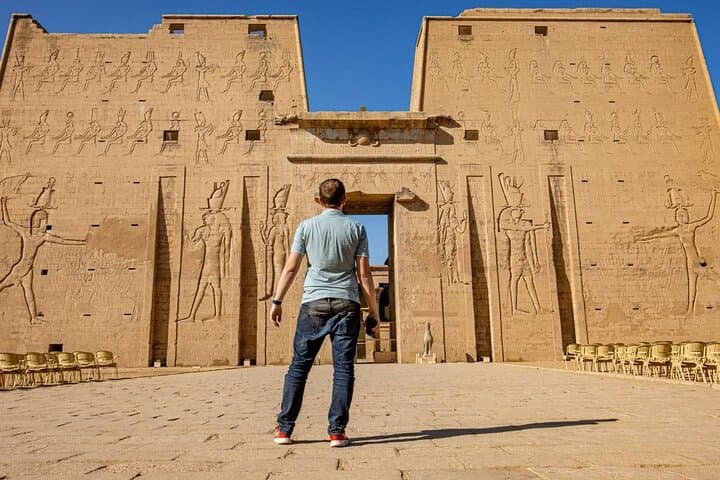
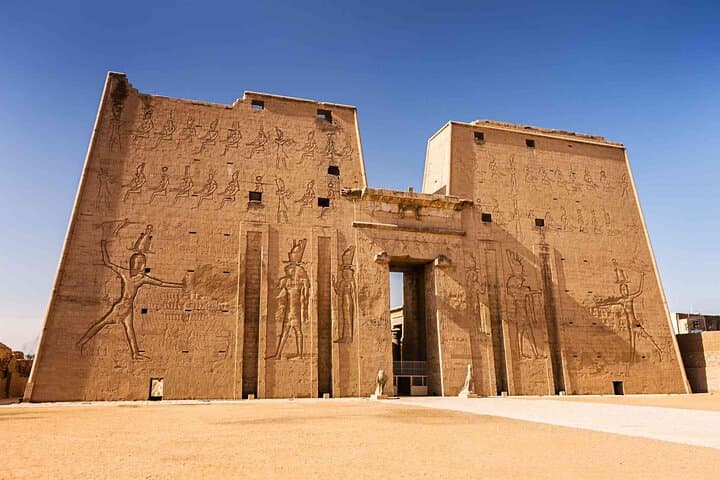
Sunlight slides across the Nile as your air‑conditioned vehicle rolls away from Luxor, and the river seems to dare you to keep pace. By midmorning the lush riverbanks give way to low desert, and two of Egypt’s most visible chapters of the Ptolemaic era rise from the sand: the colossal pylons of Edfu and the twin sanctuaries of Kom Ombo.
Verified experiences and guided adventures in the surrounding area.
Operated by Egipto Excursiones · Edfu, Aswan Governorate
Sunlight slides across the Nile as your air‑conditioned vehicle rolls away from Luxor, and the river seems to dare you to keep pace. By midmorning the lush riverbanks give way to low desert, and two of Egypt’s most visible chapters of the Ptolemaic era rise from the sand: the colossal pylons of Edfu and the twin sanctuaries of Kom Ombo.
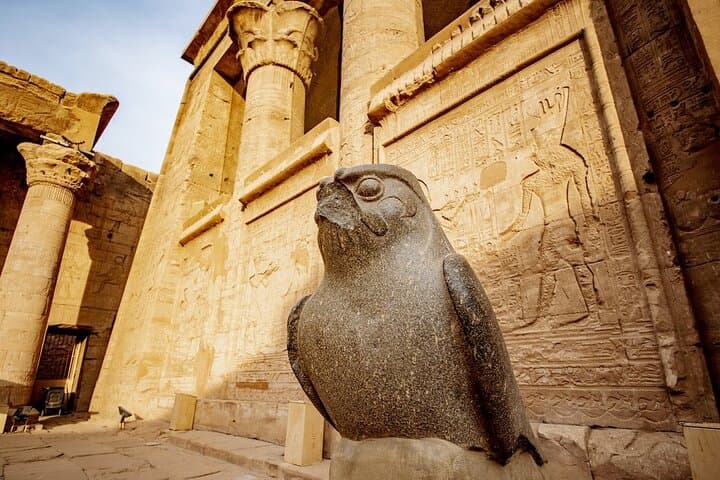
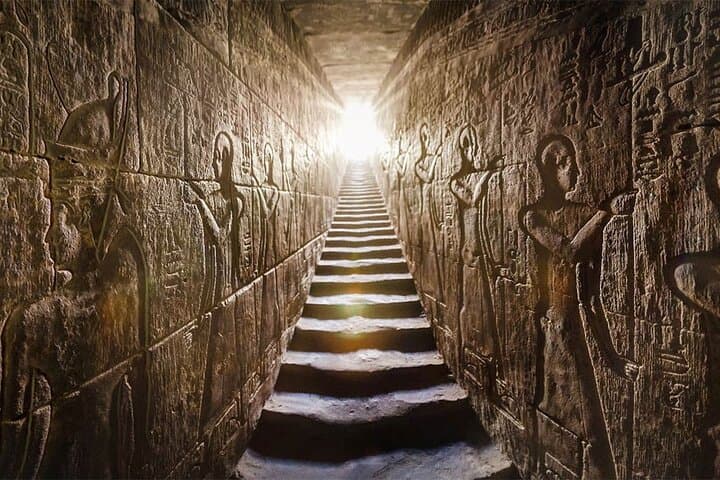
Edfu’s Temple of Horus remains one of the best‑preserved classical temples in Egypt; its carved reliefs recount myths, royal rituals and legal scenes that survived both time and flood. Kom Ombo, set right on the Nile, tells a different story — a mirrored layout honoring Sobek the crocodile and Horus the falcon, with carvings that hint at medicine and daily life in antiquity. Geology here is simple: cultivated band along the Nile fringed by limestone ridges and wind‑polished sand, which shaped temple stone and the local craft of quarrying.
Culturally, the tour combines living river communities, Nubian influences downstream, and centuries of Greco‑Roman religious architecture. Look for the Crocodile Museum near Kom Ombo and small workshops in Edfu where local artisans still cut stone and carve replicas.
Practical guidance: expect an 8‑hour day with long stretches in the vehicle, several staircases and uneven temple floors. Bring sun protection, a small daypack, and modest clothing for respectful temple access. Hydrate frequently—the desert heat is relentless—keep daylight timing in mind to avoid the hottest midday hours, and follow your guide’s route to preserve fragile reliefs.
easy.
8 hours.
Suitable for travelers with basic mobility; involves walking on uneven temple floors and climbing several stairs but no technical exertion.
Yes — the tour description indicates admission to both Edfu and Kom Ombo temples is included.
The tour runs about 8 hours and departs from Luxor, using air‑conditioned private transportation.
The tour notes it is not recommended for travelers with spinal injuries, pregnant guests, or those with serious heart conditions due to vehicle duration and uneven terrain.
Guides typically allow time to walk the main temple areas and nearby museum/shop areas, but itinerary pacing is guided to meet schedule and return to Luxor the same day.
Both temples date largely to the Ptolemaic period when Greek and Egyptian religious practices blended; Edfu honors Horus while Kom Ombo uniquely shares sanctuary space for Sobek and Horus.
These stone reliefs are sensitive to touch and moisture — follow paths, avoid touching carvings, and minimize plastic use to reduce site pollution and strain on local water resources.
Egipto Excursiones operates guided outdoor trips and adventures with an emphasis on safety, stewardship, and memorable experiences.
Sunlight slides across the Nile as your air‑conditioned vehicle rolls away from Luxor, and the river seems to dare you to keep pace. By midmorning the lush riverbanks give way to low desert, and two of Egypt’s most visible chapters of the Ptolemaic era rise from the sand: the colossal pylons of Edfu and the twin sanctuaries of Kom Ombo.
Sunlight slides across the Nile as your air‑conditioned vehicle rolls away from Luxor, and the river seems to dare you to keep pace. By midmorning the lush riverbanks give way to low desert, and two of Egypt’s most visible chapters of the Ptolemaic era rise from the sand: the colossal pylons of Edfu and the twin sanctuaries of Kom Ombo.
Edfu’s Temple of Horus remains one of the best‑preserved classical temples in Egypt; its carved reliefs recount myths, royal rituals and legal scenes that survived both time and flood. Kom Ombo, set right on the Nile, tells a different story — a mirrored layout honoring Sobek the crocodile and Horus the falcon, with carvings that hint at medicine and daily life in antiquity. Geology here is simple: cultivated band along the Nile fringed by limestone ridges and wind‑polished sand, which shaped temple stone and the local craft of quarrying.
Culturally, the tour combines living river communities, Nubian influences downstream, and centuries of Greco‑Roman religious architecture. Look for the Crocodile Museum near Kom Ombo and small workshops in Edfu where local artisans still cut stone and carve replicas.
Practical guidance: expect an 8‑hour day with long stretches in the vehicle, several staircases and uneven temple floors. Bring sun protection, a small daypack, and modest clothing for respectful temple access. Hydrate frequently—the desert heat is relentless—keep daylight timing in mind to avoid the hottest midday hours, and follow your guide’s route to preserve fragile reliefs.