THE ADVENTURE COLLECTIVE® · Independent discovery and booking for outdoor travel

A private day trip from Luxor that pairs Abydos’s royal reliefs with Dendera’s Ptolemaic sanctuaries. Long drives and uneven stone floors reward visitors with some of Upper Egypt’s clearest surviving temple art.
A private day trip from Luxor that pairs Abydos’s royal reliefs with Dendera’s Ptolemaic sanctuaries. Long drives and uneven stone floors reward visitors with some of Upper Egypt’s clearest surviving temple art.
You set out from Luxor before dawn, the air still holding the cool of the Nile while the desert beyond the river begins to heat. A white minibus moves north through palm-fringed villages, minarets punctuating the horizon, until fields give way to hard, pale stone and the gates of antiquity appear.
Verified experiences and guided adventures in the surrounding area.
Operated by Take Egypt · Luxor, Luxor Governorate
You set out from Luxor before dawn, the air still holding the cool of the Nile while the desert beyond the river begins to heat. A white minibus moves north through palm-fringed villages, minarets punctuating the horizon, until fields give way to hard, pale stone and the gates of antiquity appear.
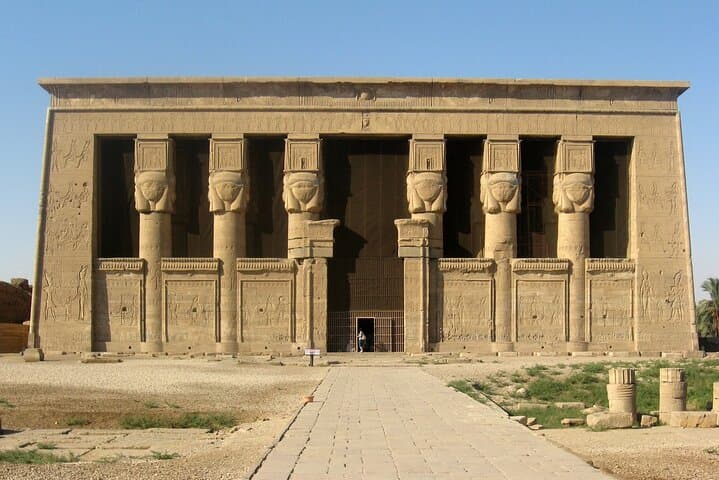
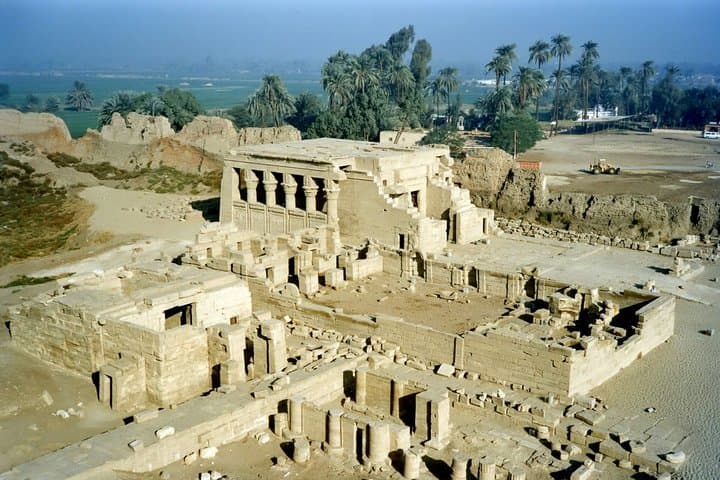
Abydos and Dendera feel different at first touch: Abydos, primarily associated with Seti I and his necropolis, is a layered complex of limestone terraces, cult chapels, and the famous king list carved into its walls. Dendera, dedicated to Hathor, reads like a late-Pharaonic ritual compound—chapels, reliefs and a remarkably intact roof chamber with zodiac motifs from the Ptolemaic era. Geology matters here: both sites sit on the western edge of the Nile floodplain where well-bedded limestone and sandstone were quarried and sculpted into ornate reliefs that survive Egypt’s harsh sun.
Local culture threads through the day—farmers tending felucca-lined fields, roadside stalls selling tea and pomegranates, and custodians who patrol stone corridors with practiced care.
Practicalities: expect a full day with long driving stretches and uneven temple floors; pickup typically around 7:00 AM from Luxor hotels. Wear sturdy walking shoes, sun protection and bring at least 2 liters of water. Photography is allowed in many areas but check onsite restrictions and consider hiring an Egyptologist guide for context—inscriptions come alive when read with an expert.
This private tour balances relaxed travel with concentrated history: it’s equal parts field trip and archaeological close‑up, best timed for early starts to beat heat and crowds.
easy.
8–10 hours.
Light fitness—able to walk and stand for multiple short tours and manage steps and uneven surfaces.
Each drive leg can take 1–2 hours depending on traffic and stops; expect a full 8–10 hour day with time on-site at Abydos and Dendera.
Admission policies vary—confirm with your operator before travel; some private tours include fees while others expect you to pay onsite.
Sites have uneven ground and some low thresholds, but short children can be carried and many tours note stroller accessibility for infants; check vehicle and site accessibility with the operator.
Photography is generally permitted in most exterior and many interior areas, but restrictions can apply for specific chambers—follow signage and guide instructions.
Abydos was a major cult center for Osiris and a burial site linked to royal ancestor cults; Dendera’s main temple reflects late Pharaonic and Ptolemaic religious architecture dedicated to Hathor.
Both sites are managed by Egypt’s antiquities authorities; visitors should stay on marked paths and avoid touching reliefs to reduce wear and support ongoing preservation efforts.
Take Egypt operates guided outdoor trips and adventures with an emphasis on safety, stewardship, and memorable experiences.
You set out from Luxor before dawn, the air still holding the cool of the Nile while the desert beyond the river begins to heat. A white minibus moves north through palm-fringed villages, minarets punctuating the horizon, until fields give way to hard, pale stone and the gates of antiquity appear.
You set out from Luxor before dawn, the air still holding the cool of the Nile while the desert beyond the river begins to heat. A white minibus moves north through palm-fringed villages, minarets punctuating the horizon, until fields give way to hard, pale stone and the gates of antiquity appear.
Abydos and Dendera feel different at first touch: Abydos, primarily associated with Seti I and his necropolis, is a layered complex of limestone terraces, cult chapels, and the famous king list carved into its walls. Dendera, dedicated to Hathor, reads like a late-Pharaonic ritual compound—chapels, reliefs and a remarkably intact roof chamber with zodiac motifs from the Ptolemaic era. Geology matters here: both sites sit on the western edge of the Nile floodplain where well-bedded limestone and sandstone were quarried and sculpted into ornate reliefs that survive Egypt’s harsh sun.
Local culture threads through the day—farmers tending felucca-lined fields, roadside stalls selling tea and pomegranates, and custodians who patrol stone corridors with practiced care.
Practicalities: expect a full day with long driving stretches and uneven temple floors; pickup typically around 7:00 AM from Luxor hotels. Wear sturdy walking shoes, sun protection and bring at least 2 liters of water. Photography is allowed in many areas but check onsite restrictions and consider hiring an Egyptologist guide for context—inscriptions come alive when read with an expert.
This private tour balances relaxed travel with concentrated history: it’s equal parts field trip and archaeological close‑up, best timed for early starts to beat heat and crowds.