THE ADVENTURE COLLECTIVE® · Independent discovery and booking for outdoor travel

A single, full-day private transfer from Luxor to Aswan covers Edfu, Kom Ombo, Philae, and the Aswan High Dam. This guided itinerary blends Ptolemaic temples, river views, and a short boat crossing to Agilkia Island—ideal for travelers who want maximum cultural returns in one long day.
A single, full-day private transfer from Luxor to Aswan covers Edfu, Kom Ombo, Philae, and the Aswan High Dam. This guided itinerary blends Ptolemaic temples, river views, and a short boat crossing to Agilkia Island—ideal for travelers who want maximum cultural returns in one long day.
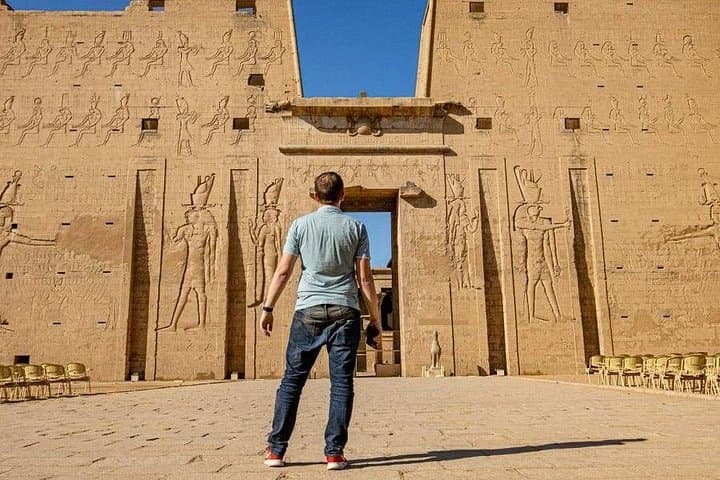
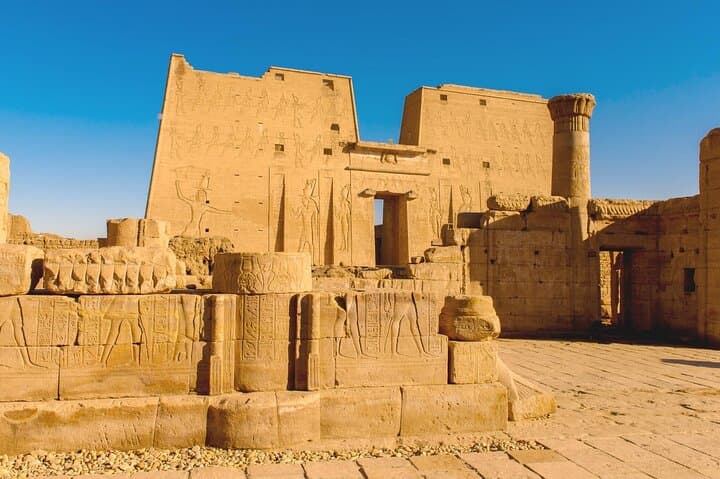
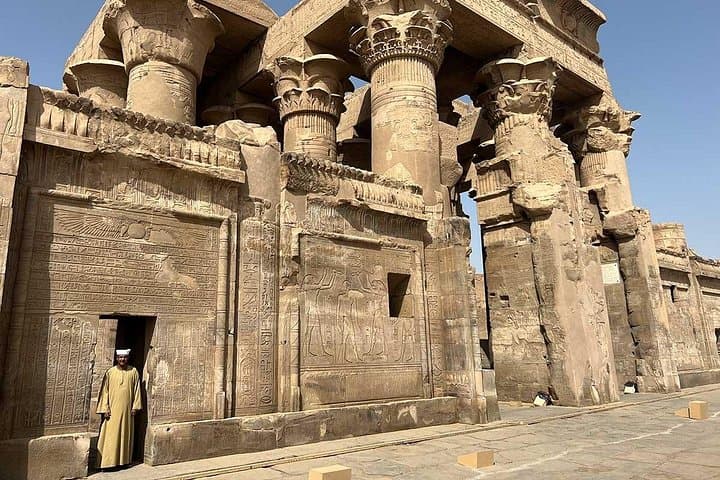
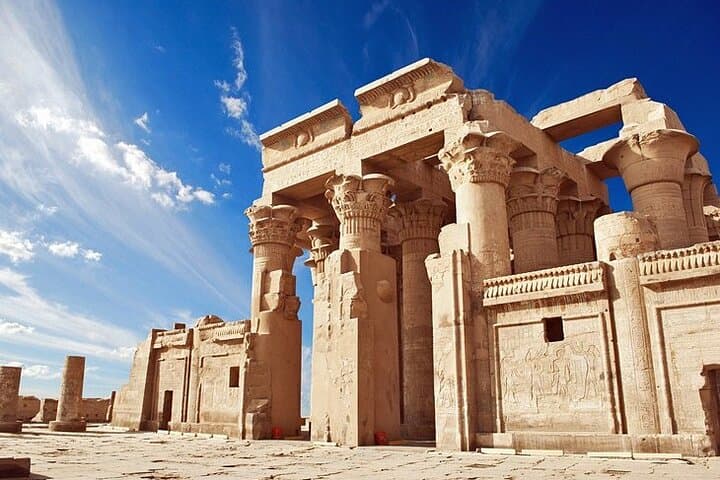
You leave Luxor before sunrise, the highway unspooling along the Nile as palm groves blur into riverine farmland. By midmorning the silhouette of Edfu's pylon rises from flat, pale ground; later, Kom Ombo perches on a bend of the Nile with a different rhythm, its twin sanctuaries facing the current. The day finishes with Philae's island courts and a view of the great High Dam, where modern engineering meets ancient stones.
Verified experiences and guided adventures in the surrounding area.
Operated by Book My Egypt Tours · Aswan, Aswan Governorate
You leave Luxor before sunrise, the highway unspooling along the Nile as palm groves blur into riverine farmland. By midmorning the silhouette of Edfu's pylon rises from flat, pale ground; later, Kom Ombo perches on a bend of the Nile with a different rhythm, its twin sanctuaries facing the current. The day finishes with Philae's island courts and a view of the great High Dam, where modern engineering meets ancient stones.
These stops stitch together millennia: Edfu, built in Ptolemaic times for Horus, preserves carved scenes of divine ritual; Kom Ombo is a rare dual temple honoring Sobek and Horus; Philae was a last refuge of the cult of Isis, rescued and reassembled on Agilkia Island during the 1960s relocation project tied to the Aswan High Dam. The geology shifts subtly—sandstone and granite from Aswan quarries shape columns and obelisks, while the Nile's floodplain feeds local agriculture and migration paths for birds.
Expect guided walks of 60–120 minutes at each site, short transfers in an air-conditioned vehicle, and a brief boat ride to Philae. Practicalities matter: start early to avoid heat, wear modest, breathable clothing for temple entry, bring sunscreen and plenty of water. Entrances and lunch are commonly included; still carry small bills for tips and incidental purchases. Photographers will find high-contrast light best in the morning and late afternoon. Pace yourself: the itinerary covers long distances but low-impact walking—rich in history, light on technical demand, and heavy on visual reward.
easy.
12 hours.
Suitable for travelers who can walk 1–2 miles across uneven temple grounds and climb steps; minimal endurance required.
Yes, the tour typically includes entrance fees to the listed sites, but always confirm at booking as options can vary.
Driving time is roughly 3–4 hours one way without stops; the full itinerary spreads visits across the day with multiple short transfers.
Children can join if supervised, but the operator notes the tour is not recommended for pregnant travelers or those with serious back/heart conditions.
Yes, Philae (Agilkia Island) requires a short motorboat crossing from the docking area to the island temples.
Philae was dismantled and relocated in the 1960s to save it from the rising waters behind the Aswan High Dam, a major international conservation project.
The High Dam altered sediment and ecology along the Nile; visitors can reduce impact by staying on paths, not touching reliefs, and supporting sites with proper fees and respectful behavior.
Book My Egypt Tours operates guided outdoor trips and adventures with an emphasis on safety, stewardship, and memorable experiences.
You leave Luxor before sunrise, the highway unspooling along the Nile as palm groves blur into riverine farmland. By midmorning the silhouette of Edfu's pylon rises from flat, pale ground; later, Kom Ombo perches on a bend of the Nile with a different rhythm, its twin sanctuaries facing the current. The day finishes with Philae's island courts and a view of the great High Dam, where modern engineering meets ancient stones.
You leave Luxor before sunrise, the highway unspooling along the Nile as palm groves blur into riverine farmland. By midmorning the silhouette of Edfu's pylon rises from flat, pale ground; later, Kom Ombo perches on a bend of the Nile with a different rhythm, its twin sanctuaries facing the current. The day finishes with Philae's island courts and a view of the great High Dam, where modern engineering meets ancient stones.
These stops stitch together millennia: Edfu, built in Ptolemaic times for Horus, preserves carved scenes of divine ritual; Kom Ombo is a rare dual temple honoring Sobek and Horus; Philae was a last refuge of the cult of Isis, rescued and reassembled on Agilkia Island during the 1960s relocation project tied to the Aswan High Dam. The geology shifts subtly—sandstone and granite from Aswan quarries shape columns and obelisks, while the Nile's floodplain feeds local agriculture and migration paths for birds.
Expect guided walks of 60–120 minutes at each site, short transfers in an air-conditioned vehicle, and a brief boat ride to Philae. Practicalities matter: start early to avoid heat, wear modest, breathable clothing for temple entry, bring sunscreen and plenty of water. Entrances and lunch are commonly included; still carry small bills for tips and incidental purchases. Photographers will find high-contrast light best in the morning and late afternoon. Pace yourself: the itinerary covers long distances but low-impact walking—rich in history, light on technical demand, and heavy on visual reward.