THE ADVENTURE COLLECTIVE® · Independent discovery and booking for outdoor travel

Board a full-board Nile cruise after a transfer from Hurghada and follow a five-day route through Luxor, Edfu, Kom Ombo and Aswan. Expect guided temple visits, Nubian evenings, and steady river scenery with comfortable onboard accommodation.
Board a full-board Nile cruise after a transfer from Hurghada and follow a five-day route through Luxor, Edfu, Kom Ombo and Aswan. Expect guided temple visits, Nubian evenings, and steady river scenery with comfortable onboard accommodation.
The morning you leave Hurghada, the desert gives way to a long ribbon of cultivated green: the Nile Valley appears like a living line on the map. You board a five-star dahabiya-style cruise in Luxor after a two- to four-hour transfer, then settle into steady river time — tea on deck, palm-framed fields sliding past, and the silhouette of temples growing sharper at dusk.
Verified experiences and guided adventures in the surrounding area.
Operated by Tamer Safari · Hurghada, Red Sea Governorate
The morning you leave Hurghada, the desert gives way to a long ribbon of cultivated green: the Nile Valley appears like a living line on the map. You board a five-star dahabiya-style cruise in Luxor after a two- to four-hour transfer, then settle into steady river time — tea on deck, palm-framed fields sliding past, and the silhouette of temples growing sharper at dusk.
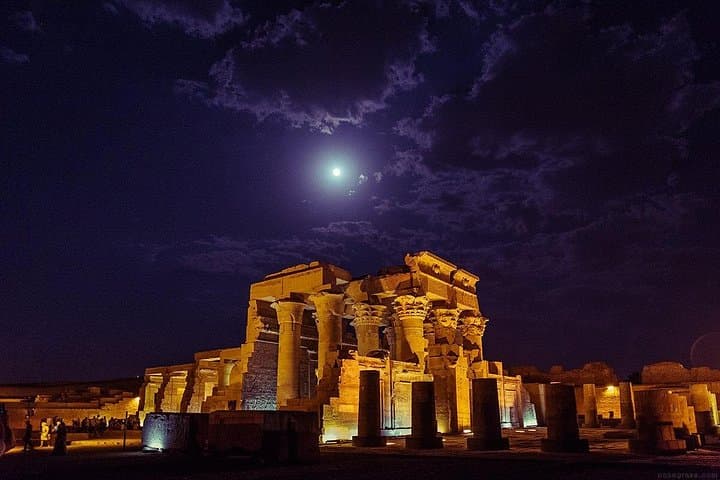
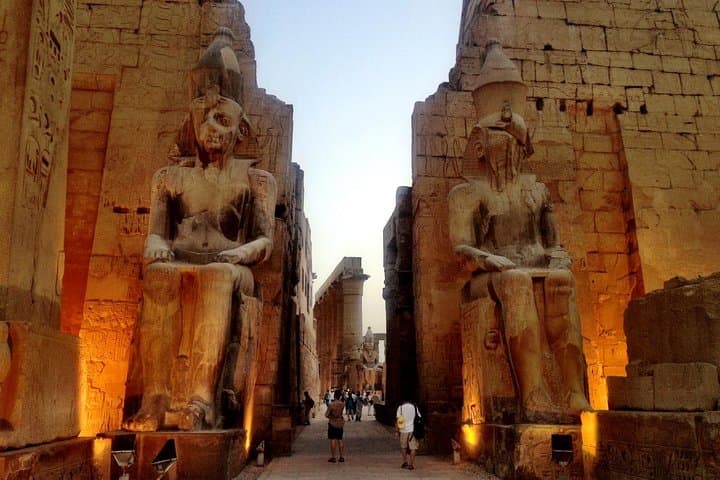
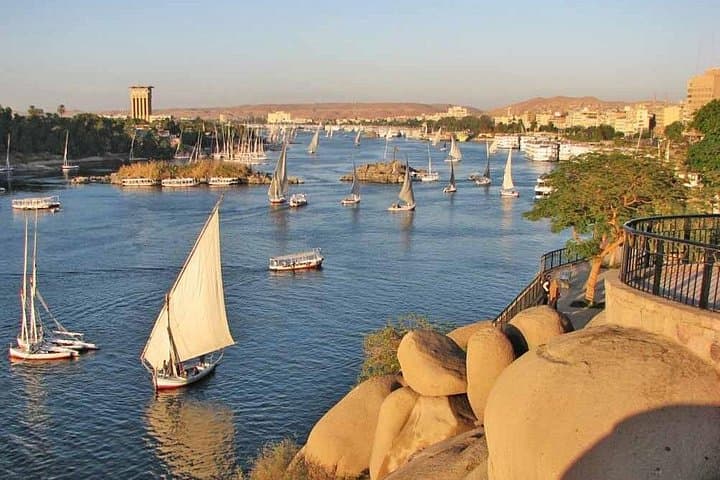
This route threads through Egypt’s pharaonic heart. Karnak and Luxor temples rise from sand and stone, their sandstone pylons worn by millennia; the Valley of the Kings cuts into limestone escarpments where royal tombs are carved beneath the ridgeline. Kom Ombo and Edfu offer Hellenistic and Ptolemaic layering — temples built with precise axial alignment to the river’s course. In Aswan, the granite quarries and the High Dam tell a modern engineering chapter beside the ancient island temple of Philae.
Culturally, expect active markets, Nubian music nights on board, and guides who translate hieroglyphs into human stories. Geology is visible: fertile alluvial strips flanked by Paleogene desert ridges and pink Aswan granite outcrops.
Practical guidance: pack light, breathable clothing and a sun hat; daytime temperatures can be high while evenings on deck are pleasant. Most shore excursions include entrance fees and are guided; opt for early-morning temple visits to avoid crowds and heat. Stay hydrated and carry small Egyptian pounds for market purchases and tipping. Mobility-wise the cruise is low-impact but some temple sites require steps and uneven surfaces — bring stable shoes. With full-board accommodation, the trip blends comfort with steady cultural immersion — river travel that moves at the pace of history.
easy.
5 days.
Suitable for travelers with basic mobility; walking on uneven temple steps is required.
The tour includes air-conditioned transfers from Hurghada to Luxor before embarkation and from Aswan back to Hurghada after disembarkation; expect a multi-hour drive each way.
Yes — entrance fees to the listed sites between Luxor and Aswan are included as per the itinerary, though optional tours like Abu Simbel may be extra.
The cruise accommodations are wheelchair accessible, but many temple sites have steps and uneven ground; check specific accessibility needs with the operator in advance.
Plan for gratuities to guides and crew, small purchases at markets, and optional excursions; carrying local currency in small denominations is recommended.
This corridor of the Nile links Upper Egypt’s pharaonic capitals; temples and tombs here span New Kingdom royal burials to Ptolemaic cult complexes.
Riverbank agriculture is sensitive to water management and pollution; respect local waste rules and avoid single-use plastics where possible.
Tamer Safari operates guided outdoor trips and adventures with an emphasis on safety, stewardship, and memorable experiences.
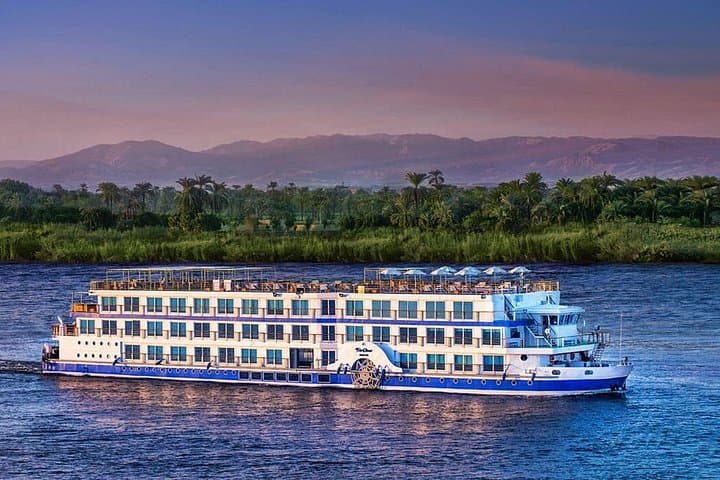
The morning you leave Hurghada, the desert gives way to a long ribbon of cultivated green: the Nile Valley appears like a living line on the map. You board a five-star dahabiya-style cruise in Luxor after a two- to four-hour transfer, then settle into steady river time — tea on deck, palm-framed fields sliding past, and the silhouette of temples growing sharper at dusk.
The morning you leave Hurghada, the desert gives way to a long ribbon of cultivated green: the Nile Valley appears like a living line on the map. You board a five-star dahabiya-style cruise in Luxor after a two- to four-hour transfer, then settle into steady river time — tea on deck, palm-framed fields sliding past, and the silhouette of temples growing sharper at dusk.
This route threads through Egypt’s pharaonic heart. Karnak and Luxor temples rise from sand and stone, their sandstone pylons worn by millennia; the Valley of the Kings cuts into limestone escarpments where royal tombs are carved beneath the ridgeline. Kom Ombo and Edfu offer Hellenistic and Ptolemaic layering — temples built with precise axial alignment to the river’s course. In Aswan, the granite quarries and the High Dam tell a modern engineering chapter beside the ancient island temple of Philae.
Culturally, expect active markets, Nubian music nights on board, and guides who translate hieroglyphs into human stories. Geology is visible: fertile alluvial strips flanked by Paleogene desert ridges and pink Aswan granite outcrops.
Practical guidance: pack light, breathable clothing and a sun hat; daytime temperatures can be high while evenings on deck are pleasant. Most shore excursions include entrance fees and are guided; opt for early-morning temple visits to avoid crowds and heat. Stay hydrated and carry small Egyptian pounds for market purchases and tipping. Mobility-wise the cruise is low-impact but some temple sites require steps and uneven surfaces — bring stable shoes. With full-board accommodation, the trip blends comfort with steady cultural immersion — river travel that moves at the pace of history.