THE ADVENTURE COLLECTIVE® · Independent discovery and booking for outdoor travel

Drift from Luxor to Aswan aboard a comfortable Nile cruise that pairs poolside relaxation with guided visits to Karnak, the Valley of the Kings, Edfu, Kom Ombo and Philae. Expect daily shore excursions led by an Egyptologist, buffet meals onboard and optional trips such as Abu Simbel.
Drift from Luxor to Aswan aboard a comfortable Nile cruise that pairs poolside relaxation with guided visits to Karnak, the Valley of the Kings, Edfu, Kom Ombo and Philae. Expect daily shore excursions led by an Egyptologist, buffet meals onboard and optional trips such as Abu Simbel.
You step onto the sun-warmed deck at Luxor as the city hums behind you and the Nile pushes the boat gently away. Date palms and mud-brick villages slip past like photos; feluccas tack in the channel while a low wind teases the pool’s surface. The cruise is both a floating hotel and a living corridor through five millennia of history.
Verified experiences and guided adventures in the surrounding area.
Operated by Luxor Travels · Luxor, Luxor Governorate
You step onto the sun-warmed deck at Luxor as the city hums behind you and the Nile pushes the boat gently away. Date palms and mud-brick villages slip past like photos; feluccas tack in the channel while a low wind teases the pool’s surface. The cruise is both a floating hotel and a living corridor through five millennia of history.
This stretch of the Nile carved the lifeways of ancient Egypt: the mud of the floodplain made fertile fields, while nearby sandstone cliffs and Aswan granite supplied stones for colossal temples. On this itinerary you meet that history up close — Karnak and Luxor Temples, the Valley of the Kings, Edfu’s Horus temple, Kom Ombo’s dual shrines, Philae and an optional Abu Simbel excursion — each site layered with pharaonic ritual, Ptolemaic additions and 20th-century archaeology.
Culturally, the river still orders daily life — market traffic, fishermen, and the timeless rhythm of prayer and market calls. Modern interventions, like the Aswan High Dam, reshaped both landscape and heritage management; your Egyptologist guide will translate stones into stories and point out conservation issues.
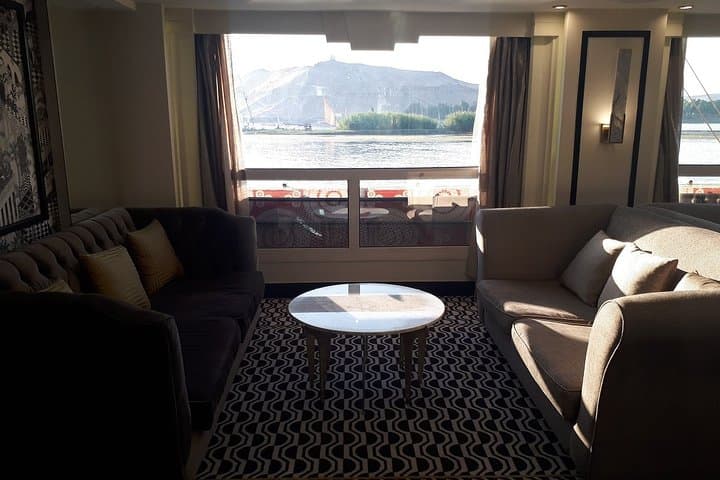
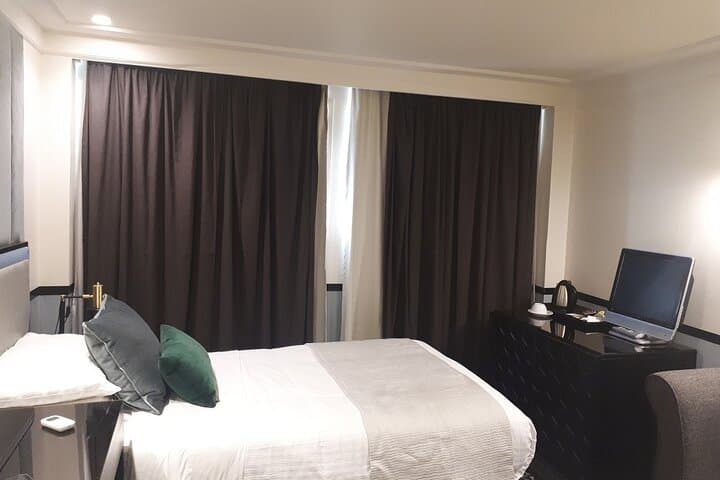
Practicalities are straightforward: cabins offer en-suite bathrooms, AC and panoramic windows; meals are buffet-style and included, with tea-drinking pauses on the sun deck. Bring sun protection, a light scarf for temple modesty, comfortable walking shoes, and cash for entrance fees, tips and optional activities. Plan early-morning or late-afternoon site visits to avoid the midday heat and to catch the Nile at its most luminous.
easy.
4–5 days.
Suitable for travelers in average physical shape; expect moderate walking on uneven surfaces during shore excursions
Yes — the cruise includes 4 nights accommodation and meals as listed (breakfast, lunch and dinner per itinerary) with buffet service onboard.
You must provide passport name, number and nationality at booking and check visa requirements before travel; visas are the traveler’s responsibility.
Abu Simbel is usually offered as an optional extra excursion at additional cost and requires an early start or separate transfer arrangements.
Excursions involve walking on uneven surfaces, steps and sandy paths but are rated suitable for most fitness levels; inform the operator of mobility needs in advance.
The Nile corridor hosted successive civilizations—Pharaonic dynasties, Ptolemaic rulers and Roman administration—each leaving layered temples and tombs along this short stretch between Luxor and Aswan.
Heavy tourism and rising temperatures put pressure on fragile archaeological surfaces and local water resources; choose refillable bottles, follow site rules and avoid touching ancient reliefs.
Luxor Travels operates guided outdoor trips and adventures with an emphasis on safety, stewardship, and memorable experiences.


You step onto the sun-warmed deck at Luxor as the city hums behind you and the Nile pushes the boat gently away. Date palms and mud-brick villages slip past like photos; feluccas tack in the channel while a low wind teases the pool’s surface. The cruise is both a floating hotel and a living corridor through five millennia of history.
You step onto the sun-warmed deck at Luxor as the city hums behind you and the Nile pushes the boat gently away. Date palms and mud-brick villages slip past like photos; feluccas tack in the channel while a low wind teases the pool’s surface. The cruise is both a floating hotel and a living corridor through five millennia of history.
This stretch of the Nile carved the lifeways of ancient Egypt: the mud of the floodplain made fertile fields, while nearby sandstone cliffs and Aswan granite supplied stones for colossal temples. On this itinerary you meet that history up close — Karnak and Luxor Temples, the Valley of the Kings, Edfu’s Horus temple, Kom Ombo’s dual shrines, Philae and an optional Abu Simbel excursion — each site layered with pharaonic ritual, Ptolemaic additions and 20th-century archaeology.
Culturally, the river still orders daily life — market traffic, fishermen, and the timeless rhythm of prayer and market calls. Modern interventions, like the Aswan High Dam, reshaped both landscape and heritage management; your Egyptologist guide will translate stones into stories and point out conservation issues.
Practicalities are straightforward: cabins offer en-suite bathrooms, AC and panoramic windows; meals are buffet-style and included, with tea-drinking pauses on the sun deck. Bring sun protection, a light scarf for temple modesty, comfortable walking shoes, and cash for entrance fees, tips and optional activities. Plan early-morning or late-afternoon site visits to avoid the midday heat and to catch the Nile at its most luminous.