THE ADVENTURE COLLECTIVE® · Independent discovery and booking for outdoor travel

Sail three nights between Luxor and Aswan on a five‑star Nile cruise, visiting Karnak, the Valley of the Kings, Edfu and Kom Ombo with guided tours and onboard comforts. This immersive cultural itinerary balances riverside relaxation with concentrated archaeological visits.
Sail three nights between Luxor and Aswan on a five‑star Nile cruise, visiting Karnak, the Valley of the Kings, Edfu and Kom Ombo with guided tours and onboard comforts. This immersive cultural itinerary balances riverside relaxation with concentrated archaeological visits.
You step onto the sun-warmed teak of a five‑star Nile cruise as the river slides past mud-brick farms and clumps of sugar cane; fishermen cast nets and children wave from the high bank. The ship hums gently, a mobile base for three nights of temple visits, short land tours and slow travel between Luxor and Aswan.
Verified experiences and guided adventures in the surrounding area.
Operated by Egypt Travel Line · Luxor, Luxor Governorate
You step onto the sun-warmed teak of a five‑star Nile cruise as the river slides past mud-brick farms and clumps of sugar cane; fishermen cast nets and children wave from the high bank. The ship hums gently, a mobile base for three nights of temple visits, short land tours and slow travel between Luxor and Aswan.
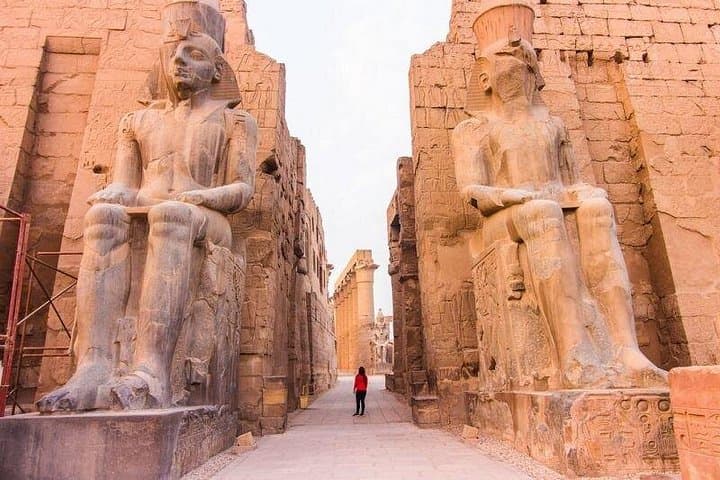
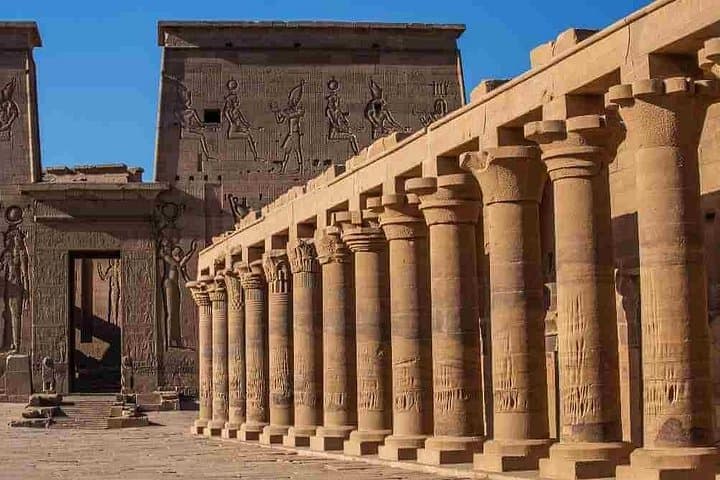
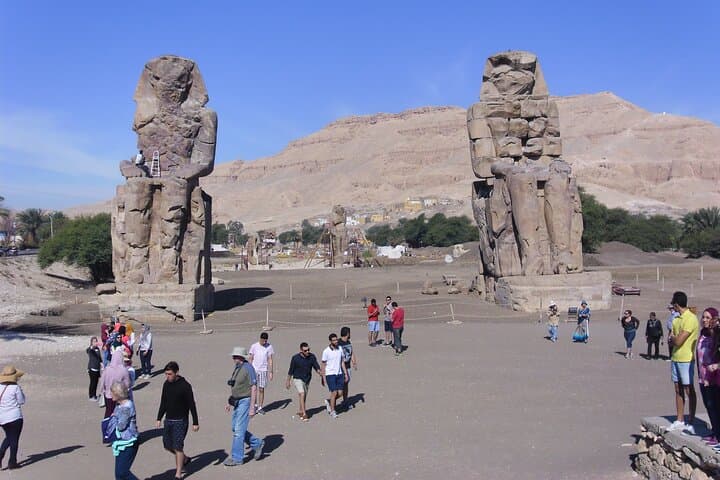
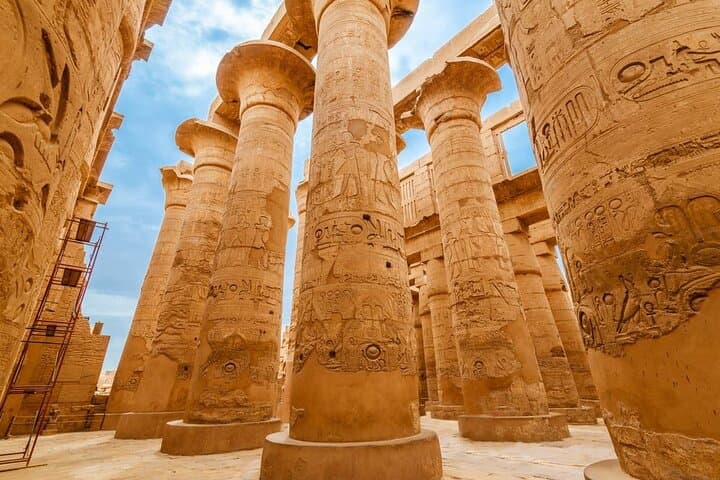
History is everywhere: Karnak's columned avenues grew for two millennia under pharaohs who carved glory into sandstone; the Valley of the Kings hides painted tombs cut into the Theban Hills; Edfu and Kom Ombo preserve Greco‑Roman and late Pharaonic rituals. Geologically, you move from the narrow, cultivated Nile Valley where silt and irrigation shape the land, to the granite islands and basalt outcrops around Aswan that ancient builders prized.
Culturally the route is Nubian, Coptic and Islamic—small feluccas, mosques, and riverside homes tell the story of continuous river life. Expect informative Egyptology commentary from a guide, layered days: morning temple visits before noon heat, afternoons for sailing and tea on the sundeck, evenings for local music or dance.
Practicalities: bring sturdy walking shoes for uneven temple floors and short staircases, sun protection and reusable water bottle. Most walking is moderate and punctuated by boat transfers; pack light for transfer logistics and keep valuables onboard when touring. Timed departures, lock crossings at Esna, and local climate mean mornings and late afternoons are best for photography and comfort. Respect site rules—do not touch reliefs—and plan extra time for security checks and ticket lines.
moderate.
4 days (3 nights).
Light to moderate fitness: able to walk several short onshore excursions, negotiate uneven ground and stairs, and manage boarding small boats.
Yes — all transfers between hotel, cruise and listed sites are included in air‑conditioned vehicles and smaller motorboats for island temples.
Entrance fees for sites listed in the itinerary are included; some tombs have limited access and may require additional on‑site tickets or queues.
The cruise and transfers are generally wheelchair accessible, but many temples and tombs have steps and uneven terrain—check with the operator about specific accessibility needs.
Modest clothing that covers shoulders and knees is recommended; lightweight fabrics are best for heat and cultural respect.
The Nile corridor between Luxor and Aswan was the heartland of New Kingdom Egypt; temples and tombs along this route record pharaonic, Greco‑Roman and Nubian influences.
High visitor numbers stress fragile reliefs and shoreline habitats—stay on marked paths, avoid flash photography in painted tombs and minimize plastic use to reduce impact.
Egypt Travel Line operates guided outdoor trips and adventures with an emphasis on safety, stewardship, and memorable experiences.
You step onto the sun-warmed teak of a five‑star Nile cruise as the river slides past mud-brick farms and clumps of sugar cane; fishermen cast nets and children wave from the high bank. The ship hums gently, a mobile base for three nights of temple visits, short land tours and slow travel between Luxor and Aswan.
You step onto the sun-warmed teak of a five‑star Nile cruise as the river slides past mud-brick farms and clumps of sugar cane; fishermen cast nets and children wave from the high bank. The ship hums gently, a mobile base for three nights of temple visits, short land tours and slow travel between Luxor and Aswan.
History is everywhere: Karnak's columned avenues grew for two millennia under pharaohs who carved glory into sandstone; the Valley of the Kings hides painted tombs cut into the Theban Hills; Edfu and Kom Ombo preserve Greco‑Roman and late Pharaonic rituals. Geologically, you move from the narrow, cultivated Nile Valley where silt and irrigation shape the land, to the granite islands and basalt outcrops around Aswan that ancient builders prized.
Culturally the route is Nubian, Coptic and Islamic—small feluccas, mosques, and riverside homes tell the story of continuous river life. Expect informative Egyptology commentary from a guide, layered days: morning temple visits before noon heat, afternoons for sailing and tea on the sundeck, evenings for local music or dance.
Practicalities: bring sturdy walking shoes for uneven temple floors and short staircases, sun protection and reusable water bottle. Most walking is moderate and punctuated by boat transfers; pack light for transfer logistics and keep valuables onboard when touring. Timed departures, lock crossings at Esna, and local climate mean mornings and late afternoons are best for photography and comfort. Respect site rules—do not touch reliefs—and plan extra time for security checks and ticket lines.