THE ADVENTURE COLLECTIVE® · Independent discovery and booking for outdoor travel

Float between Luxor and Aswan on an eight-day, five-star Nile cruise that pairs slow river travel with guided visits to Karnak, Edfu, Kom Ombo, Philae and the Valley of the Kings. Expect early starts, sunlit temple courts and flexible optional excursions like Abu Simbel.
Float between Luxor and Aswan on an eight-day, five-star Nile cruise that pairs slow river travel with guided visits to Karnak, Edfu, Kom Ombo, Philae and the Valley of the Kings. Expect early starts, sunlit temple courts and flexible optional excursions like Abu Simbel.
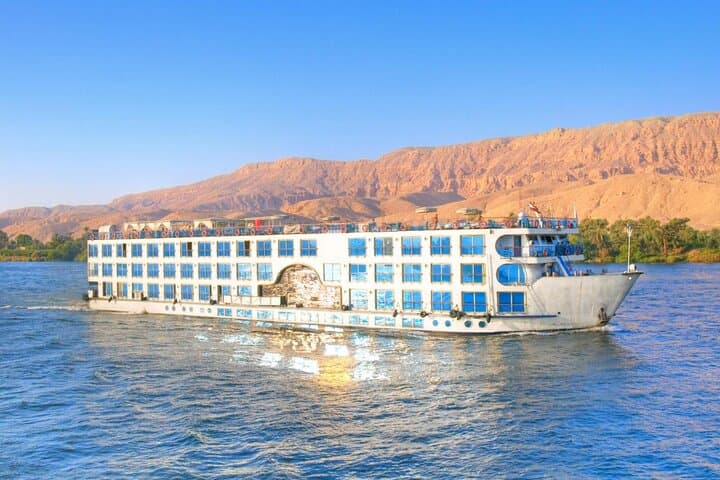
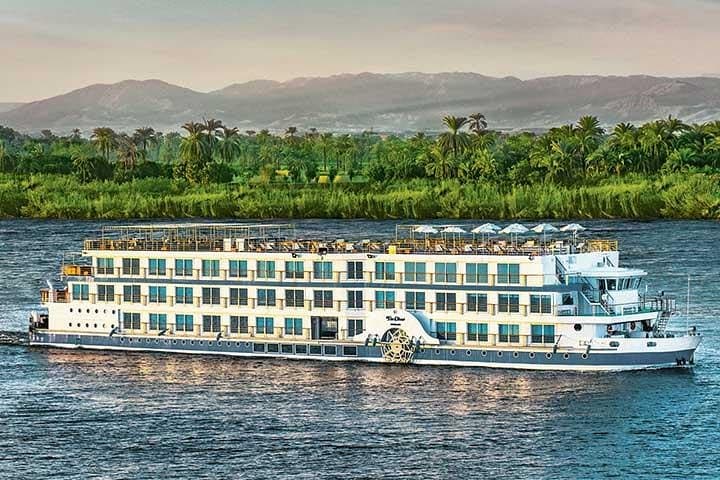
You step aboard as the Nile takes the push of the day and the ship answers with a gentle roll—palm-fringed banks slide past and the river dares you to slow down. Morning mist lifts off the water as the cruise eases away from Luxor; temple towers, mud-brick villages and fields of sugarcane frame each horizon.
Verified experiences and guided adventures in the surrounding area.
Operated by Egypt Best Holidays · Luxor, Luxor Governorate
You step aboard as the Nile takes the push of the day and the ship answers with a gentle roll—palm-fringed banks slide past and the river dares you to slow down. Morning mist lifts off the water as the cruise eases away from Luxor; temple towers, mud-brick villages and fields of sugarcane frame each horizon.
This stretch of Upper Egypt is effectively the world’s largest open-air museum: Pharaonic temples, rock-cut tombs and colossal monuments carved into limestone bluffs. Geologically, the Nile here has cut a shallow corridor through Pleistocene and Holocene sediments, concentrating human settlement on a narrow fertile ribbon. Culturally, towns from Esna to Aswan grew as river ports—markets, Nubian craft traditions and Sufi shrines still punctuate stops along the route.
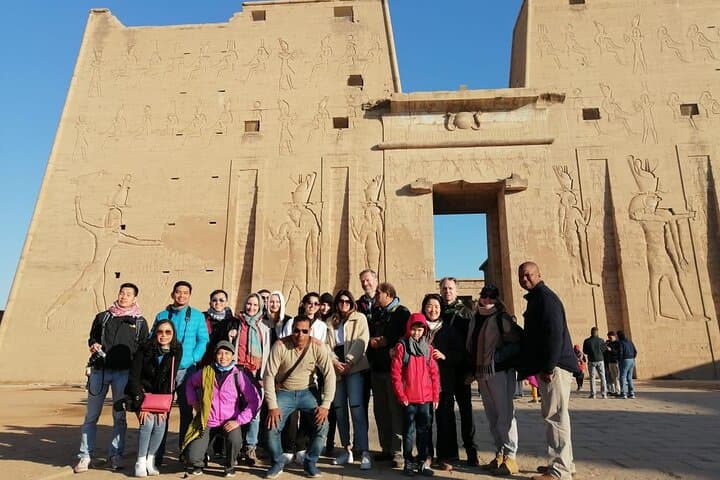
Days are structured: guided visits to Karnak and Luxor, the Temple of Horus at Edfu, Kom Ombo, Philae and Aswan’s High Dam; optional Abu Simbel or a hot-air balloon add-ons change the tempo. Expect cobbled approaches, stepped temple terraces and sun-baked stone underfoot; early starts avoid heat and crowds.
Practically, pack breathable layers, good walking shoes and a refillable water bottle. Carry Egyptian pounds for small vendors and modest tips for local guides; entrances are typically extra (budget roughly US$35 for combined ticketing). Mobility is generally easy but uneven surfaces and temple steps require steady balance. Plan nights on board for quiet views and daytime shore excursions for up-close history—this is a trip that balances slow river travel with concentrated bursts of exploration.
easy.
8 days (7 nights).
Suitable for travelers with basic mobility; expect short to moderate walking on uneven terrain and some steps at temples.
No — most temple and tomb entrance fees are not included; combined sightseeing costs are approximately US$35, with discounts for students.
The operator lists wheelchair accessibility, but many sites have steps and uneven ground; travelers should confirm specific mobility needs before booking.
Yes — Abu Simbel is an optional surcharge excursion from Aswan and typically requires an early start with additional transport costs.
Guides are available in multiple languages; you can choose your preferred language when booking, subject to availability.
Upper Egypt’s river corridor concentrated Pharaonic power—temples and royal tombs line the Nile because the river was the lifeline for agriculture and transport for millennia.
The Nile’s ecology and archaeological sites are sensitive; stay on marked paths, avoid littering and support local guides and community-run initiatives to minimize impact.
Egypt Best Holidays operates guided outdoor trips and adventures with an emphasis on safety, stewardship, and memorable experiences.
You step aboard as the Nile takes the push of the day and the ship answers with a gentle roll—palm-fringed banks slide past and the river dares you to slow down. Morning mist lifts off the water as the cruise eases away from Luxor; temple towers, mud-brick villages and fields of sugarcane frame each horizon.
You step aboard as the Nile takes the push of the day and the ship answers with a gentle roll—palm-fringed banks slide past and the river dares you to slow down. Morning mist lifts off the water as the cruise eases away from Luxor; temple towers, mud-brick villages and fields of sugarcane frame each horizon.
This stretch of Upper Egypt is effectively the world’s largest open-air museum: Pharaonic temples, rock-cut tombs and colossal monuments carved into limestone bluffs. Geologically, the Nile here has cut a shallow corridor through Pleistocene and Holocene sediments, concentrating human settlement on a narrow fertile ribbon. Culturally, towns from Esna to Aswan grew as river ports—markets, Nubian craft traditions and Sufi shrines still punctuate stops along the route.
Days are structured: guided visits to Karnak and Luxor, the Temple of Horus at Edfu, Kom Ombo, Philae and Aswan’s High Dam; optional Abu Simbel or a hot-air balloon add-ons change the tempo. Expect cobbled approaches, stepped temple terraces and sun-baked stone underfoot; early starts avoid heat and crowds.
Practically, pack breathable layers, good walking shoes and a refillable water bottle. Carry Egyptian pounds for small vendors and modest tips for local guides; entrances are typically extra (budget roughly US$35 for combined ticketing). Mobility is generally easy but uneven surfaces and temple steps require steady balance. Plan nights on board for quiet views and daytime shore excursions for up-close history—this is a trip that balances slow river travel with concentrated bursts of exploration.