THE ADVENTURE COLLECTIVE® · Independent discovery and booking for outdoor travel

Sail Luxor to Aswan aboard a traditional dahabiya: five nights of slow cruising, guided temple visits and riverside village encounters. This itinerary pairs classic pharaonic sites with comfortable onboard life and authentic local moments.
Sail Luxor to Aswan aboard a traditional dahabiya: five nights of slow cruising, guided temple visits and riverside village encounters. This itinerary pairs classic pharaonic sites with comfortable onboard life and authentic local moments.
Dawn lifts a thin veil above the Nile as a wooden dahabiya slides away from Luxor’s quay, paddling you into a different cadence of Egypt — slow sails, sun decks, and the steady murmur of water daring you to relax. Over five nights the river becomes both transport and theater: palm-lined islands drift by, fishermen wave from feluccas, and sandstone cliffs tighten at Gebel el‑Silsila as if nudging the boat south.
Verified experiences and guided adventures in the surrounding area.
Operated by Cupid EgypTravel · Luxor, Luxor Governorate
Dawn lifts a thin veil above the Nile as a wooden dahabiya slides away from Luxor’s quay, paddling you into a different cadence of Egypt — slow sails, sun decks, and the steady murmur of water daring you to relax. Over five nights the river becomes both transport and theater: palm-lined islands drift by, fishermen wave from feluccas, and sandstone cliffs tighten at Gebel el‑Silsila as if nudging the boat south.
This route threads together the eras of pharaonic power and Nile geology: the valley deposits that built fertile banks, the quarried sandstone used to raise Karnak and Luxor, and the carved reliefs that record kings and gods. Cultural notes matter here — Nubian communities around Aswan, the agricultural villages between Esna and Edfu, and the living craft traditions you’ll glimpse onshore.
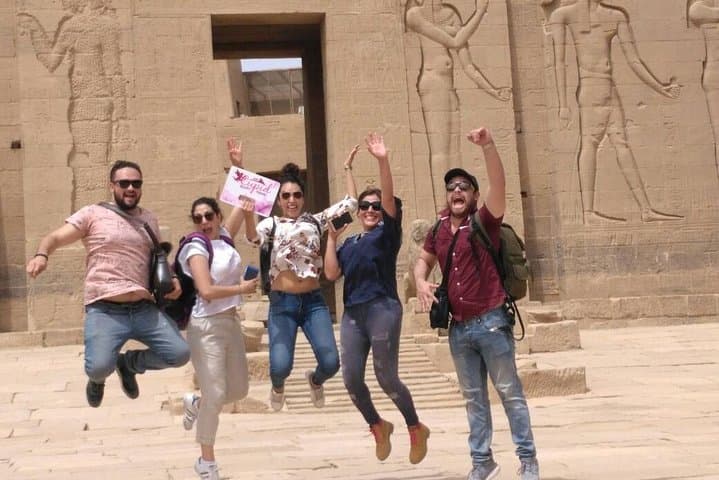
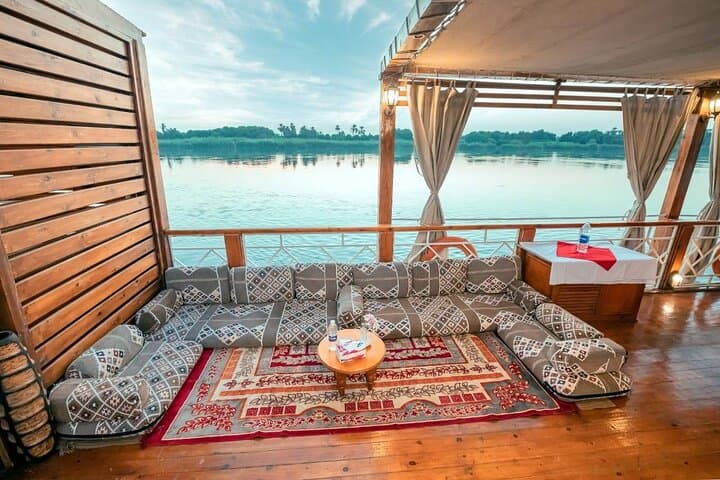
Practically, expect gentle days aboard with focused morning and afternoon land excursions: the West Bank tombs, Karnak’s hypostyle halls, a horse-and-carriage approach to Edfu, Kom Ombo’s dual shrines, and Philae on its island. Cabins are compact and comfortable; meals are traditional and included. Small boats and the Esna lock mean short transfers and occasional steps; evenings are best spent on deck under stars.
Bring layered sun protection, a refillable water bottle, and comfortable walking shoes for temple steps and sand. Carry small notes in local currency for village visits and tips. If you want Abu Simbel, add it as an optional overland extension at disembarkation — otherwise the cruise delivers a measured, historic passage through the Nile’s living landscape.
easy.
5 days.
Suitable for travelers in average physical condition able to walk short to moderate distances and climb stairs; not strenuous.
Yes — the itinerary notes stroller access and infant seats available, but supervise shore transfers and boat gangways for safety.
Sites listed in the program and an Egyptology tour guide are included; verify any optional extensions like Abu Simbel for additional cost.
Yes — Abu Simbel is offered as an optional overland excursion from Aswan at disembarkation and typically requires an early start or extra day.
Tipping is customary; budget modest daily amounts for crew and a separate tip for local guides and drivers. Carry small bills in Egyptian pounds.
The Luxor–Aswan corridor follows the Nile’s ancient artery where pharaonic capitals and quarry sites rose; many temples were relocated or adapted during repeated flood and dam projects.
Tour operators work to reduce plastic on board and limit shoreline impact; when visiting villages, follow guide advice and avoid leaving waste or disturbing local agriculture.
Cupid EgypTravel operates guided outdoor trips and adventures with an emphasis on safety, stewardship, and memorable experiences.
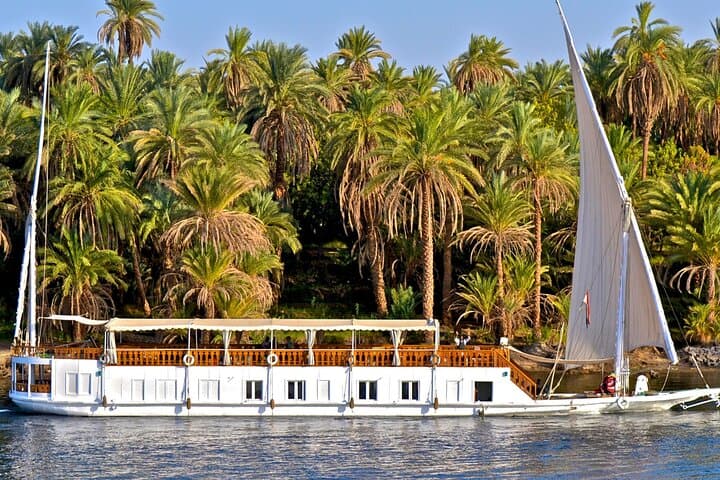
Dawn lifts a thin veil above the Nile as a wooden dahabiya slides away from Luxor’s quay, paddling you into a different cadence of Egypt — slow sails, sun decks, and the steady murmur of water daring you to relax. Over five nights the river becomes both transport and theater: palm-lined islands drift by, fishermen wave from feluccas, and sandstone cliffs tighten at Gebel el‑Silsila as if nudging the boat south.
Dawn lifts a thin veil above the Nile as a wooden dahabiya slides away from Luxor’s quay, paddling you into a different cadence of Egypt — slow sails, sun decks, and the steady murmur of water daring you to relax. Over five nights the river becomes both transport and theater: palm-lined islands drift by, fishermen wave from feluccas, and sandstone cliffs tighten at Gebel el‑Silsila as if nudging the boat south.
This route threads together the eras of pharaonic power and Nile geology: the valley deposits that built fertile banks, the quarried sandstone used to raise Karnak and Luxor, and the carved reliefs that record kings and gods. Cultural notes matter here — Nubian communities around Aswan, the agricultural villages between Esna and Edfu, and the living craft traditions you’ll glimpse onshore.
Practically, expect gentle days aboard with focused morning and afternoon land excursions: the West Bank tombs, Karnak’s hypostyle halls, a horse-and-carriage approach to Edfu, Kom Ombo’s dual shrines, and Philae on its island. Cabins are compact and comfortable; meals are traditional and included. Small boats and the Esna lock mean short transfers and occasional steps; evenings are best spent on deck under stars.
Bring layered sun protection, a refillable water bottle, and comfortable walking shoes for temple steps and sand. Carry small notes in local currency for village visits and tips. If you want Abu Simbel, add it as an optional overland extension at disembarkation — otherwise the cruise delivers a measured, historic passage through the Nile’s living landscape.