THE ADVENTURE COLLECTIVE® · Independent discovery and booking for outdoor travel

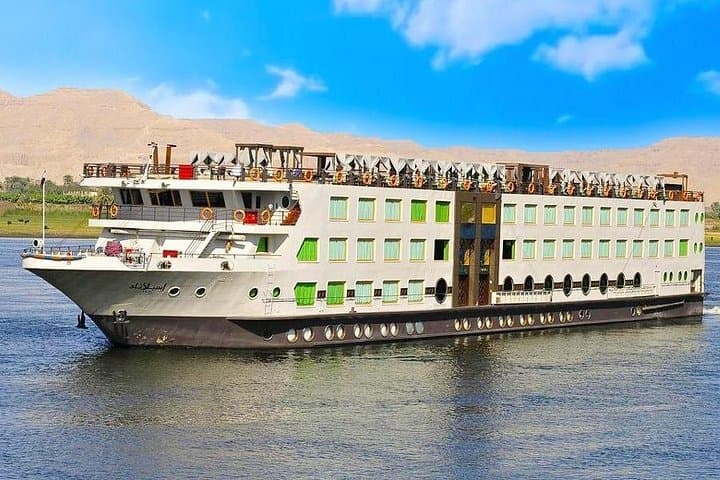
Glide between Luxor and Aswan on a five‑day ultra‑deluxe Nile cruise that pairs relaxed river time with full‑day guided visits to Karnak, the Valley of the Kings, Edfu and Philae. Add an optional early‑morning trip to Abu Simbel for one of Egypt’s most dramatic sunlit monuments.
Glide between Luxor and Aswan on a five‑day ultra‑deluxe Nile cruise that pairs relaxed river time with full‑day guided visits to Karnak, the Valley of the Kings, Edfu and Philae. Add an optional early‑morning trip to Abu Simbel for one of Egypt’s most dramatic sunlit monuments.
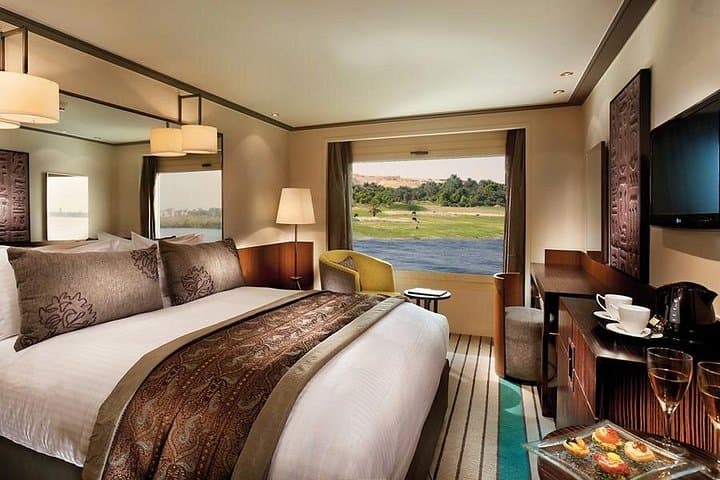
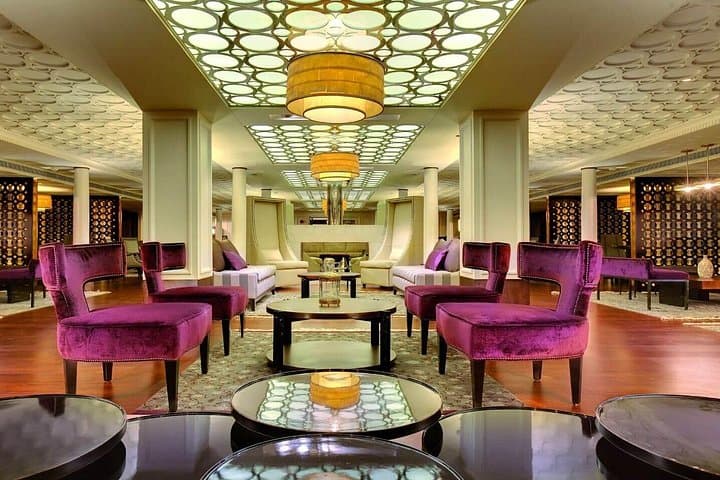
The Nile slides under the ship like a slow, sure promise—palms lean in to watch the hull pass, and low cliffs give way to irrigated fields where farmers work in deliberate rows. On board an ultra‑deluxe vessel, the days are measured by temple visits, sundown on the sundeck and the quiet of the river at night.
Verified experiences and guided adventures in the surrounding area.
Operated by Bastet Travel · Luxor, Luxor Governorate
The Nile slides under the ship like a slow, sure promise—palms lean in to watch the hull pass, and low cliffs give way to irrigated fields where farmers work in deliberate rows. On board an ultra‑deluxe vessel, the days are measured by temple visits, sundown on the sundeck and the quiet of the river at night.
This five‑day itinerary runs roughly 220 km along the Nile from Luxor to Aswan and combines classical antiquities with modern engineering: Karnak and Luxor temples and the Valley of the Kings on the east and west banks; Ptolemaic gems at Edfu and Kom Ombo; UNESCO‑rescued Philae; and the opportunity to add Abu Simbel at daybreak. Geologically the route travels the Nile’s alluvial corridor—deep silt flats beside shallow desert scarps—so views shift from cultivated green to ochre cliffs.
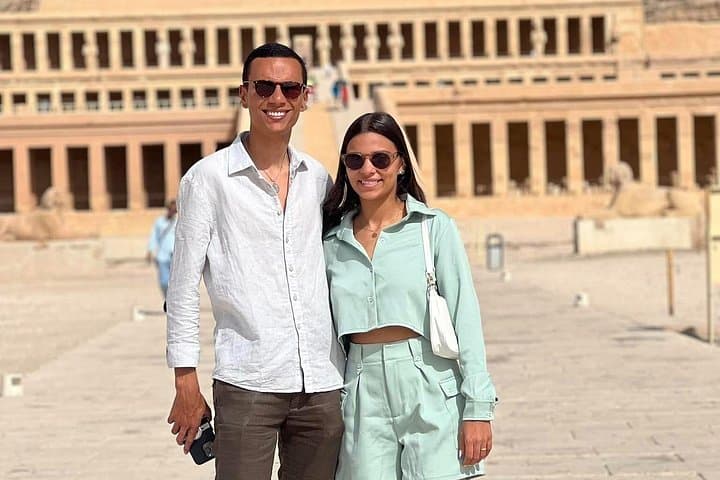
Expect guided walks at archaeological sites led by a certified Egyptologist, short transfers by air‑conditioned vehicle, and mostly flat, paved walking at monuments with some stairs and uneven stone floors inside tombs.
Practical edge: bring sturdy walking shoes, a wide‑brim hat and 2–3 liters of water per day; mornings are best for photography and site visits before midday heat. Plan for early departures if you add Abu Simbel; the temple complex is best seen in the low light of morning. Respect conservation rules—no flash photography where prohibited and follow your guide’s route to reduce wear on fragile sites.
easy.
4–5 days.
Suitable for travelers in light to moderate physical condition; involves daily walking up to 2–3 hours with stairs and uneven surfaces.
Abu Simbel is offered as an optional early‑morning excursion from Aswan on disembarkation day; it requires a long road transfer or a short flight and usually adds several hours to your schedule.
Many sites have steps and uneven terrain; some transfers and main tour routes are wheelchair accessible, but individual monuments (like tomb interiors) may be difficult to access—check specifics with the operator before booking.
The cruise is full board: breakfast, lunch and dinner are provided daily aboard the five‑star vessel, with set times and local cuisine options.
Yes—excursions include a professional Egyptologist who provides historical context, explains iconography, and guides route choices at each site.
The Nile corridor between Luxor and Aswan follows ancient Thebes and Nubian borderlands; several temples were relocated during the UNESCO Nubia Campaign in the 1960s to protect them from the High Dam’s reservoir.
Tour operators work under strict site rules to limit wear on monuments—avoid touching reliefs, obey photography restrictions, and use local services to support community conservation efforts.
Bastet Travel operates guided outdoor trips and adventures with an emphasis on safety, stewardship, and memorable experiences.
The Nile slides under the ship like a slow, sure promise—palms lean in to watch the hull pass, and low cliffs give way to irrigated fields where farmers work in deliberate rows. On board an ultra‑deluxe vessel, the days are measured by temple visits, sundown on the sundeck and the quiet of the river at night.
The Nile slides under the ship like a slow, sure promise—palms lean in to watch the hull pass, and low cliffs give way to irrigated fields where farmers work in deliberate rows. On board an ultra‑deluxe vessel, the days are measured by temple visits, sundown on the sundeck and the quiet of the river at night.
This five‑day itinerary runs roughly 220 km along the Nile from Luxor to Aswan and combines classical antiquities with modern engineering: Karnak and Luxor temples and the Valley of the Kings on the east and west banks; Ptolemaic gems at Edfu and Kom Ombo; UNESCO‑rescued Philae; and the opportunity to add Abu Simbel at daybreak. Geologically the route travels the Nile’s alluvial corridor—deep silt flats beside shallow desert scarps—so views shift from cultivated green to ochre cliffs.
Expect guided walks at archaeological sites led by a certified Egyptologist, short transfers by air‑conditioned vehicle, and mostly flat, paved walking at monuments with some stairs and uneven stone floors inside tombs.
Practical edge: bring sturdy walking shoes, a wide‑brim hat and 2–3 liters of water per day; mornings are best for photography and site visits before midday heat. Plan for early departures if you add Abu Simbel; the temple complex is best seen in the low light of morning. Respect conservation rules—no flash photography where prohibited and follow your guide’s route to reduce wear on fragile sites.