THE ADVENTURE COLLECTIVE® · Independent discovery and booking for outdoor travel

A five-day Nile cruise from Luxor to Aswan pairs relaxed river travel with visits to iconic Pharaonic temples and a free Abu Simbel excursion—ideal for travelers who want steady comfort, daily shore excursions, and close encounters with ancient Egyptian sites.
A five-day Nile cruise from Luxor to Aswan pairs relaxed river travel with visits to iconic Pharaonic temples and a free Abu Simbel excursion—ideal for travelers who want steady comfort, daily shore excursions, and close encounters with ancient Egyptian sites.
The wooden rail hums under your palm as the river narrows and the late light slants across mud-brick villages—this is the slow, absorbing pulse of the Nile between Luxor and Aswan. Onboard a five-star cruise, mornings start with mist lifting off the water, afternoons bring temple visits, and evenings settle into a quiet rhythm of decks, stars, and the steady shove of current.
Verified experiences and guided adventures in the surrounding area.
Operated by Show You Egypt · Luxor, Luxor Governorate
The wooden rail hums under your palm as the river narrows and the late light slants across mud-brick villages—this is the slow, absorbing pulse of the Nile between Luxor and Aswan. Onboard a five-star cruise, mornings start with mist lifting off the water, afternoons bring temple visits, and evenings settle into a quiet rhythm of decks, stars, and the steady shove of current.
This corridor of the Nile is ancient trade route and active archaeological landscape: Pharaonic temples and Greco-Roman ruins sit on cliffs of alluvial silt and limestone carved by millennia of floods. Luxor’s east bank hosts Karnak’s monumental pylons; the west bank keeps the Valley of the Kings’ painted tombs. Downriver, Kom Ombo and Edfu show Ptolemaic temple planning, and Aswan’s granite quarries supplied obelisks and statues across Egypt.
Culture here is layered—Coptic and Islamic communities, Nubian islands, and modern Egyptian river towns share markets, boatyards, and coffee houses. Expect bargaining in souqs, the scent of spice and tea, and friendly calls from children on the riverbank.
Practical guidance: pack light, bring comfortable walking shoes for uneven temple grounds, and carry a sun hat and at least two liters of water per day. Book sunrise or late-afternoon temple slots to avoid heat and crowds. Photography is allowed at most sites but mind restricted areas and entry fees. Confirm passport, visa, and any domestic transfers ahead of time; the Abu Simbel road trip is long but rewarding. With modest planning, this cruise mixes relaxed river travel with some of Egypt’s most unforgettable archaeological highlights.
easy.
4–5 days.
Suitable for travelers in basic fitness; short walks on uneven ground and occasional stair climbs at temple sites.
Yes—meals are included aboard the five-star cruise; most shore excursions provide bottled water but not necessarily snacks, so bring small provisions.
This itinerary offers a free Abu Simbel excursion as stated—confirm timing as it’s a long day that may require early departure and return by road or flight depending on season.
Most visitors need a visa to enter Egypt—check your nationality’s requirements before travel and have your passport valid for at least six months.
Expect short to moderate walking (30–90 minutes) on uneven, sandy, or stepped surfaces; there’s minimal hiking but some climbing of temple ramps and stairs.
This stretch of the Nile powered ancient Egyptian civilization: temples, tombs, and quarries were sited here to control river traffic and honor the living and dead across millennia.
Erosion, development, and tourist pressure affect fragile temple sites and riverbank habitats; opt for licensed guides, avoid touching reliefs, and minimize single-use plastics aboard.
Show You Egypt operates guided outdoor trips and adventures with an emphasis on safety, stewardship, and memorable experiences.
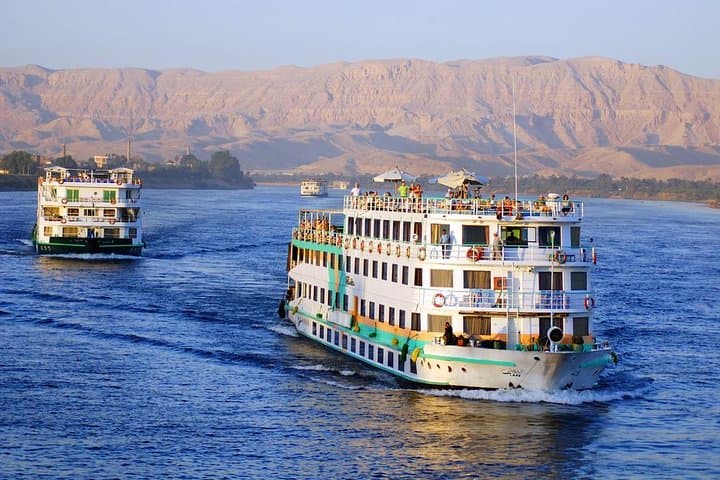
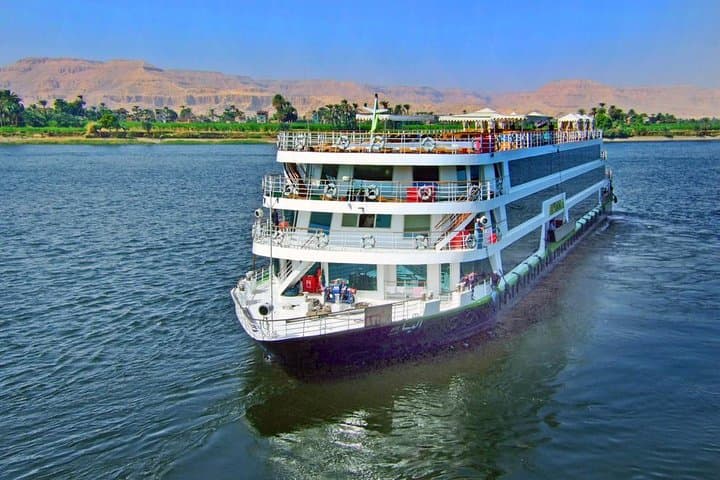
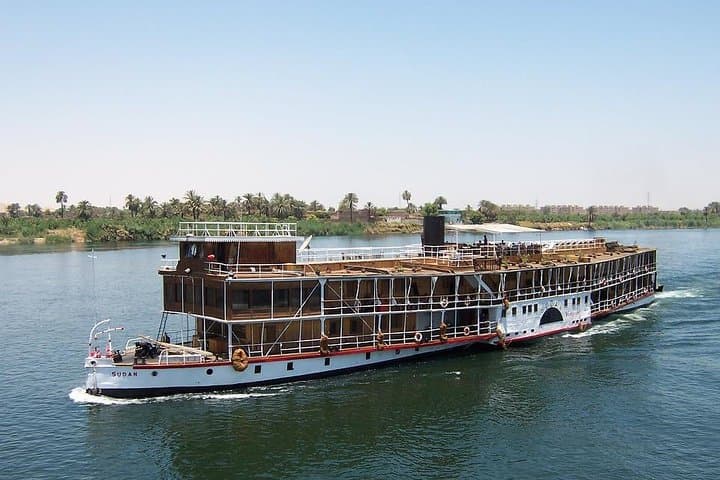
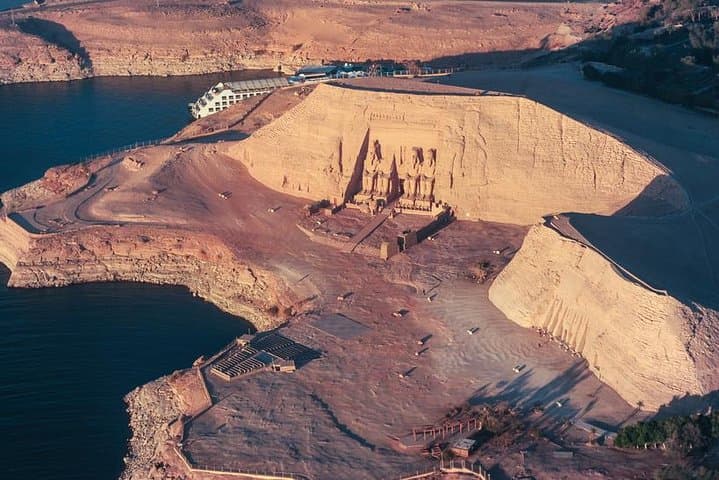
The wooden rail hums under your palm as the river narrows and the late light slants across mud-brick villages—this is the slow, absorbing pulse of the Nile between Luxor and Aswan. Onboard a five-star cruise, mornings start with mist lifting off the water, afternoons bring temple visits, and evenings settle into a quiet rhythm of decks, stars, and the steady shove of current.
The wooden rail hums under your palm as the river narrows and the late light slants across mud-brick villages—this is the slow, absorbing pulse of the Nile between Luxor and Aswan. Onboard a five-star cruise, mornings start with mist lifting off the water, afternoons bring temple visits, and evenings settle into a quiet rhythm of decks, stars, and the steady shove of current.
This corridor of the Nile is ancient trade route and active archaeological landscape: Pharaonic temples and Greco-Roman ruins sit on cliffs of alluvial silt and limestone carved by millennia of floods. Luxor’s east bank hosts Karnak’s monumental pylons; the west bank keeps the Valley of the Kings’ painted tombs. Downriver, Kom Ombo and Edfu show Ptolemaic temple planning, and Aswan’s granite quarries supplied obelisks and statues across Egypt.
Culture here is layered—Coptic and Islamic communities, Nubian islands, and modern Egyptian river towns share markets, boatyards, and coffee houses. Expect bargaining in souqs, the scent of spice and tea, and friendly calls from children on the riverbank.
Practical guidance: pack light, bring comfortable walking shoes for uneven temple grounds, and carry a sun hat and at least two liters of water per day. Book sunrise or late-afternoon temple slots to avoid heat and crowds. Photography is allowed at most sites but mind restricted areas and entry fees. Confirm passport, visa, and any domestic transfers ahead of time; the Abu Simbel road trip is long but rewarding. With modest planning, this cruise mixes relaxed river travel with some of Egypt’s most unforgettable archaeological highlights.