THE ADVENTURE COLLECTIVE® · Independent discovery and booking for outdoor travel

A five-day, four-night Nile cruise from Luxor to Aswan that pairs 5-star comfort with guided visits to Karnak, the Valley of the Kings, Edfu, Kom Ombo and Philae. Travel slowly down the river and let the Nile reveal its history and geology one temple at a time.
A five-day, four-night Nile cruise from Luxor to Aswan that pairs 5-star comfort with guided visits to Karnak, the Valley of the Kings, Edfu, Kom Ombo and Philae. Travel slowly down the river and let the Nile reveal its history and geology one temple at a time.
You step onto teak decking as the Nile eases past—mud-brown water slipping under feluccas and low palms, the desert haze turning temple pylons the color of old bone. For five days the river sets the pace: slow mornings on deck, sun-bleached ruins at midday, and lantern-lit conversations over dinner in a 5-star stateroom.
Verified experiences and guided adventures in the surrounding area.
Operated by Blue Tours · Luxor, Luxor Governorate
You step onto teak decking as the Nile eases past—mud-brown water slipping under feluccas and low palms, the desert haze turning temple pylons the color of old bone. For five days the river sets the pace: slow mornings on deck, sun-bleached ruins at midday, and lantern-lit conversations over dinner in a 5-star stateroom.
This itinerary threads Thebes’ great monuments—Karnak’s forest of columns, Luxor Temple’s colossi—and moves downstream to the Valley of the Kings, Queen Hatshepsut’s terraced sanctuary, the Ptolemaic precision of Edfu, and the twin sanctuaries of Kom Ombo. In Aswan the modern High Dam and the rescued island-temple of Philae illustrate 20th-century engineering and the UNESCO Nubia Campaign that moved ancient stones to higher ground.
Geologically the Nile’s floodplain is alluvium—silt carried from the Ethiopian Highlands—ringed by limestone and granite quarries that birthed obelisks and statues. Cultural layers are visible in reliefs and reused stones: pharaohs, Ptolemies, Romans and modern Egypt converge along the banks.
Practical guidance: bring a sun hat, high-SPF sunscreen, and comfortable walking shoes for uneven temple floors; modest clothing is required in religious sites. Expect private, air-conditioned transfers, included site entrance fees, and four full days of guided excursions. Carry local cash for small purchases and tips; stay hydrated between site visits and plan excursions in cooler morning or late-afternoon windows. The cruise offers an immersive route through history with a steady, practical rhythm—ideal for travelers who want guided depth without frantic travel between sites.
moderate.
5 days / 4 nights.
Basic to moderate fitness—able to walk 1–3 miles over uneven ground and climb steps at archaeological sites.
The itinerary specifies entrance fees to listed sites and guided excursions are included as part of the package.
Children can join, but infants may need to sit on laps for transfers; the operator notes wheelchair accessibility—confirm specifics when booking for mobility needs.
Modest clothing that covers shoulders and knees is recommended; lightweight fabrics are best for heat while remaining respectful of cultural norms.
Many Nile cruise ships offer Wi‑Fi in public areas but speeds vary; cellular service along the river is generally available but can be intermittent.
This route follows ancient Thebes and other dynastic centers—pharaohs built temples and tombs along the Nile because its floodplain sustained agriculture and authority for millennia.
Tourism supports local economies but puts pressure on fragile monuments; minimize handling of reliefs, avoid single-use plastics, and follow guide instructions to protect sites.
Blue Tours operates guided outdoor trips and adventures with an emphasis on safety, stewardship, and memorable experiences.
You step onto teak decking as the Nile eases past—mud-brown water slipping under feluccas and low palms, the desert haze turning temple pylons the color of old bone. For five days the river sets the pace: slow mornings on deck, sun-bleached ruins at midday, and lantern-lit conversations over dinner in a 5-star stateroom.
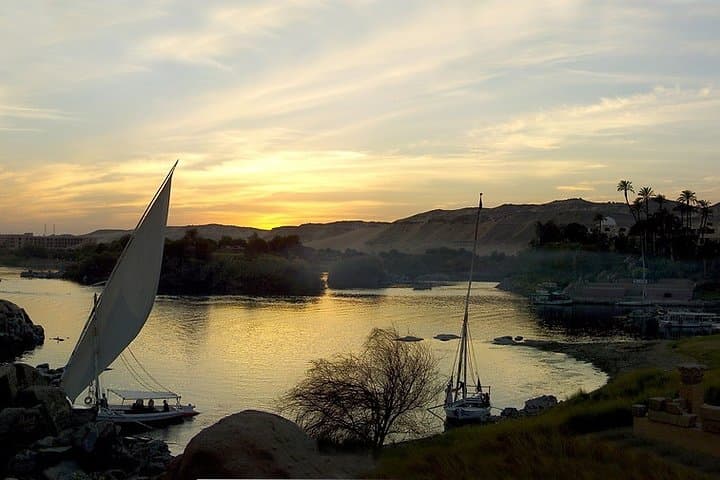
You step onto teak decking as the Nile eases past—mud-brown water slipping under feluccas and low palms, the desert haze turning temple pylons the color of old bone. For five days the river sets the pace: slow mornings on deck, sun-bleached ruins at midday, and lantern-lit conversations over dinner in a 5-star stateroom.
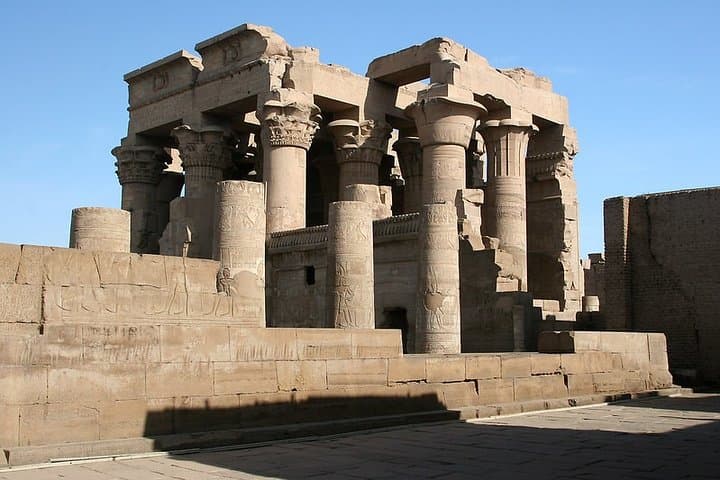
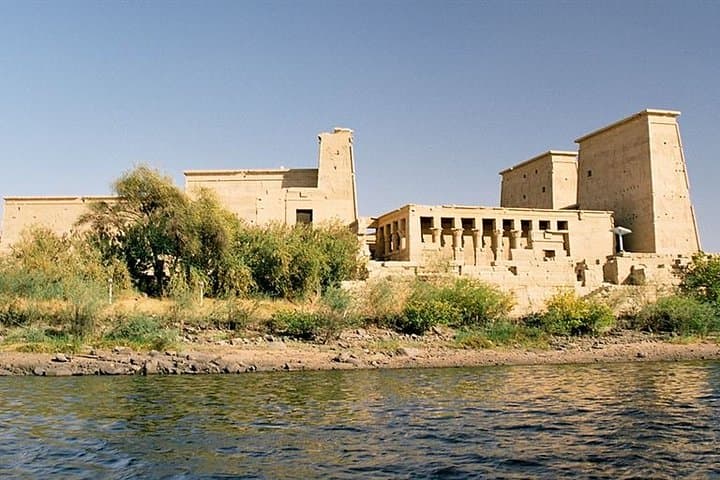
This itinerary threads Thebes’ great monuments—Karnak’s forest of columns, Luxor Temple’s colossi—and moves downstream to the Valley of the Kings, Queen Hatshepsut’s terraced sanctuary, the Ptolemaic precision of Edfu, and the twin sanctuaries of Kom Ombo. In Aswan the modern High Dam and the rescued island-temple of Philae illustrate 20th-century engineering and the UNESCO Nubia Campaign that moved ancient stones to higher ground.
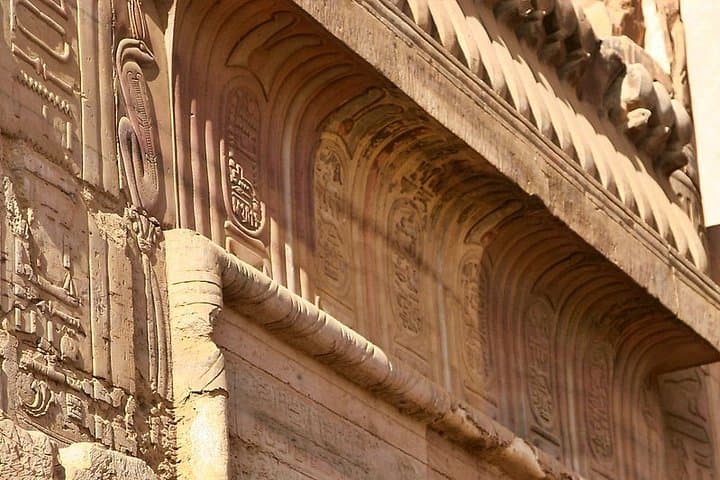
Geologically the Nile’s floodplain is alluvium—silt carried from the Ethiopian Highlands—ringed by limestone and granite quarries that birthed obelisks and statues. Cultural layers are visible in reliefs and reused stones: pharaohs, Ptolemies, Romans and modern Egypt converge along the banks.
Practical guidance: bring a sun hat, high-SPF sunscreen, and comfortable walking shoes for uneven temple floors; modest clothing is required in religious sites. Expect private, air-conditioned transfers, included site entrance fees, and four full days of guided excursions. Carry local cash for small purchases and tips; stay hydrated between site visits and plan excursions in cooler morning or late-afternoon windows. The cruise offers an immersive route through history with a steady, practical rhythm—ideal for travelers who want guided depth without frantic travel between sites.