THE ADVENTURE COLLECTIVE® · Independent discovery and booking for outdoor travel

Sail from Luxor to Aswan on a five-day elite Nile cruise that pairs landmark temples with the slow rhythm of the river. Expect guided walks at Karnak, the Valley of the Kings, Edfu, Kom Ombo and Philae plus cultural evenings onboard.
Sail from Luxor to Aswan on a five-day elite Nile cruise that pairs landmark temples with the slow rhythm of the river. Expect guided walks at Karnak, the Valley of the Kings, Edfu, Kom Ombo and Philae plus cultural evenings onboard.
Dawn breaks over Luxor and the Nile opens like a slow-moving road of light. You board a five-deck vessel, suitcases eased into cabins while the river, patient and authoritative, guides the ship south. From the sundeck the riverbank scrolls past: palm clusters, small villages rinsed in laundry light, and the occasional fisherman who seems to be bargaining with the current.
Verified experiences and guided adventures in the surrounding area.
Operated by Egypt Sunny Tours · Luxor, Luxor Governorate
Dawn breaks over Luxor and the Nile opens like a slow-moving road of light. You board a five-deck vessel, suitcases eased into cabins while the river, patient and authoritative, guides the ship south. From the sundeck the riverbank scrolls past: palm clusters, small villages rinsed in laundry light, and the occasional fisherman who seems to be bargaining with the current.
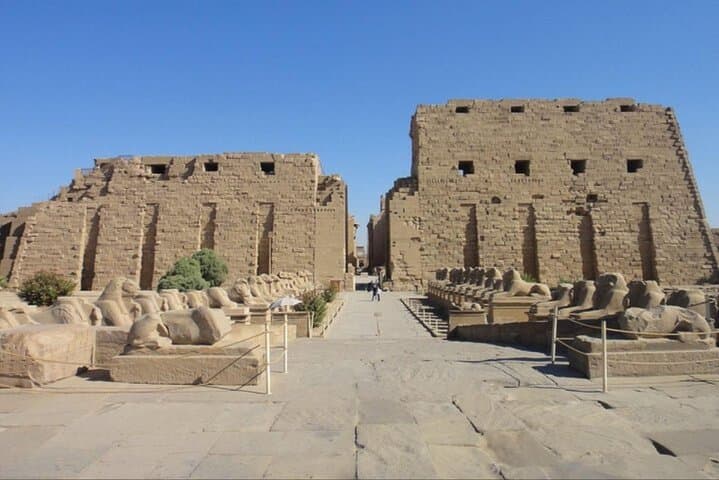
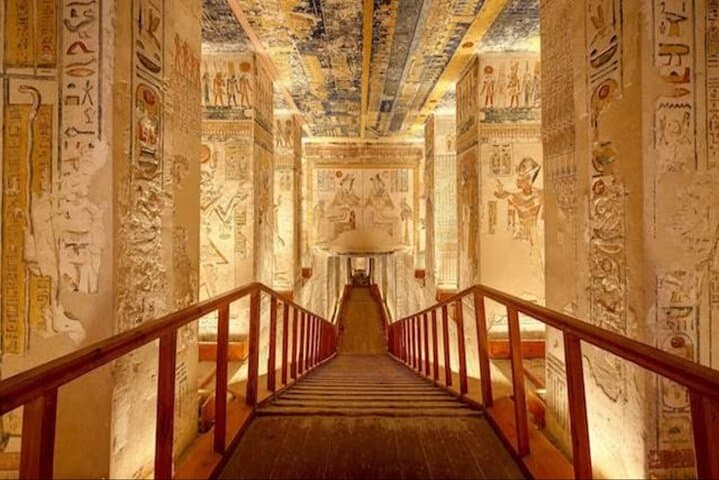
This itinerary threads together Egypt's heavyweights: Karnak and Luxor on the East Bank, the Valley of the Kings and Hatshepsut's cliff-side mortuary on the West, the Ptolemaic precision of Edfu's Horus temple, the double-shrine layout of Kom Ombo, and Philae's island sanctuary rebuilt stone by stone after the High Dam reshaped the landscape. Geologically the Nile valley is a soft corridor cut through desert rock and alluvial plain, which made it both cradle and highway for millennia of human settlement.
Expect guided walks across compact archaeological sites, occasional soft sand underfoot, and short motorboat transfers to islands. Evenings on board balance leisure and local culture — an Egyptian Night, a felucca at sunset, or a quiet deck with tea. Practical notes: temperatures can swing dramatically between sun and shade, and visiting hours or site access can shift with local schedules.
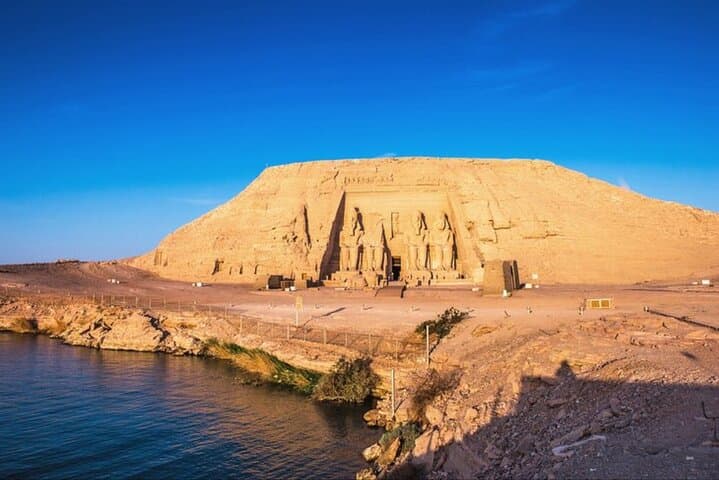
Bring sun protection, comfortable walking shoes, and a small day pack for passports and water; plan for early starts if you add Abu Simbel. The itinerary is low-impact physically but high on sensory and historical density, offering an accessible, immersive way to move through four thousand years of civilization while the Nile keeps you moving forward.
easy.
5 days.
Suitable for travelers in average health; involves short guided walks, boarding/disembarking boats, and stairs at sites.
Most nationalities require a visa; check current Egyptian visa rules and obtain one in advance or on arrival where applicable.
The listing indicates wheelchair accessible options, but boarding small motorboats or entering some ancient sites may still involve steps—contact the operator to confirm specifics.
Yes; Abu Simbel is an optional early-morning road excursion (about 3 hours each way) and usually requires a separate fee and a very early departure.
Major cards are accepted on many ships and in larger shops, but cash (Egyptian pounds) is recommended for markets, tips, and small purchases.
The Nile corridor powered Ancient Egypt; temples along this route were deliberately sited on high ground and islands where rituals met the river.
Rising tourism and river traffic put pressure on fragile archaeological sites and island habitats; prefer reusable water bottles, respect barriers, and follow guide instructions to minimize impact.
Egypt Sunny Tours operates guided outdoor trips and adventures with an emphasis on safety, stewardship, and memorable experiences.
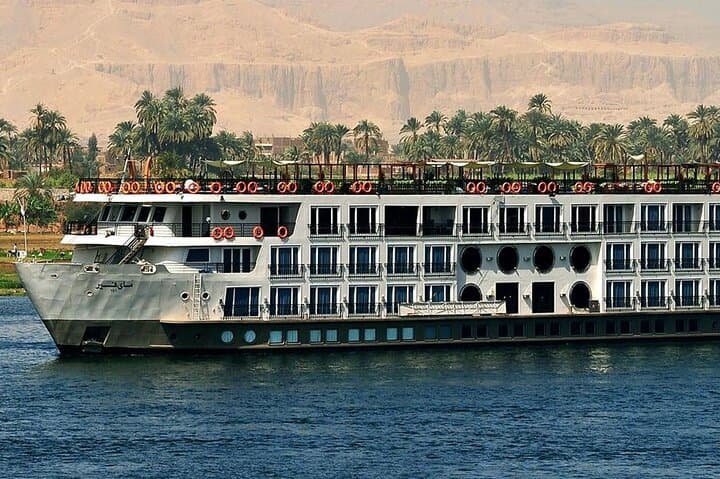
Dawn breaks over Luxor and the Nile opens like a slow-moving road of light. You board a five-deck vessel, suitcases eased into cabins while the river, patient and authoritative, guides the ship south. From the sundeck the riverbank scrolls past: palm clusters, small villages rinsed in laundry light, and the occasional fisherman who seems to be bargaining with the current.
Dawn breaks over Luxor and the Nile opens like a slow-moving road of light. You board a five-deck vessel, suitcases eased into cabins while the river, patient and authoritative, guides the ship south. From the sundeck the riverbank scrolls past: palm clusters, small villages rinsed in laundry light, and the occasional fisherman who seems to be bargaining with the current.
This itinerary threads together Egypt's heavyweights: Karnak and Luxor on the East Bank, the Valley of the Kings and Hatshepsut's cliff-side mortuary on the West, the Ptolemaic precision of Edfu's Horus temple, the double-shrine layout of Kom Ombo, and Philae's island sanctuary rebuilt stone by stone after the High Dam reshaped the landscape. Geologically the Nile valley is a soft corridor cut through desert rock and alluvial plain, which made it both cradle and highway for millennia of human settlement.
Expect guided walks across compact archaeological sites, occasional soft sand underfoot, and short motorboat transfers to islands. Evenings on board balance leisure and local culture — an Egyptian Night, a felucca at sunset, or a quiet deck with tea. Practical notes: temperatures can swing dramatically between sun and shade, and visiting hours or site access can shift with local schedules.
Bring sun protection, comfortable walking shoes, and a small day pack for passports and water; plan for early starts if you add Abu Simbel. The itinerary is low-impact physically but high on sensory and historical density, offering an accessible, immersive way to move through four thousand years of civilization while the Nile keeps you moving forward.