THE ADVENTURE COLLECTIVE® · Independent discovery and booking for outdoor travel

A five-day, full-board voyage from Luxor to Aswan that pairs 5-star onboard comfort with guided visits to Karnak, the Valley of the Kings, Edfu, Kom Ombo and Philae. Expect short transfers, stairs in tombs, and long riverfront afternoons.
A five-day, full-board voyage from Luxor to Aswan that pairs 5-star onboard comfort with guided visits to Karnak, the Valley of the Kings, Edfu, Kom Ombo and Philae. Expect short transfers, stairs in tombs, and long riverfront afternoons.
Morning light slides along the Nile and the cruise ship answers with a low hum: decks warm underfoot, feluccas stitch the horizon, and temple pylons puncture the desert skyline. Guests disembark between short sails and long afternoons, moving from the colonnades of Karnak to the shadowed corridors of royal tombs on the West Bank.
Verified experiences and guided adventures in the surrounding area.
Operated by Balloon First Trip · Luxor, Luxor Governorate
Morning light slides along the Nile and the cruise ship answers with a low hum: decks warm underfoot, feluccas stitch the horizon, and temple pylons puncture the desert skyline. Guests disembark between short sails and long afternoons, moving from the colonnades of Karnak to the shadowed corridors of royal tombs on the West Bank.
This corridor of the Nile is an open archive: New Kingdom pharaohs built Luxor and the Valley of the Kings, later Ptolemaic rulers set up Edfu and Kom Ombo, and modern engineering reoriented the river at the Aswan High Dam. Geologically, the river carves a narrow, fertile ribbon through Nubian granite near Aswan and softer sandstone around Luxor—materials the ancients quarried for obelisks and temples.
Culture here is layered: temple cults, Coptic and Islamic communities, and living Nubian traditions in the south. Onboard, expect full‑board comfort with guided shore excursions, short coach transfers, and guided entry into major sites; between ports the Nile itself pushes the itinerary forward, carrying you past riverine palms and small riverside farms.
Practical edge: the cruise covers roughly 220–240 km between Luxor and Aswan over five days with minimal elevation change but lots of stairs at archaeological sites. Bring sturdy shoes for uneven stone, high-SPF sun protection, cash for local purchases and tips, and a small daypack for camera, water, and a light layer for cooler mornings. Start early for quieter tomb visits and reserve evening deck time for sunset views toward the desert.
easy.
5 days.
Suitable for travelers in average physical condition; requires walking on uneven surfaces and climbing stairs at sites.
Major sites are included in most itineraries, but busy seasons may require timed entry—confirm with the operator before departure.
Many temples have uneven surfaces and steps; mobility varies by site—ask the operator about transfer and mobility assistance options.
Yes—tips for guides, drivers and crew are customary; bring small denominations of Egyptian pounds for day-to-day gratuities.
Egyptian pounds are best for local purchases and tips; major hotels and some vendors accept cards, but cash is common in smaller towns.
This stretch of the Nile was the political and religious heart of ancient Egypt—New Kingdom pharaohs built monumental tombs and later Ptolemaic rulers added grand temples still standing today.
Tourism and boat traffic put pressure on fragile archaeological sites and river ecology; choose operators that follow site rules, avoid touching reliefs, and use reef-safe sunscreen.
Balloon First Trip operates guided outdoor trips and adventures with an emphasis on safety, stewardship, and memorable experiences.
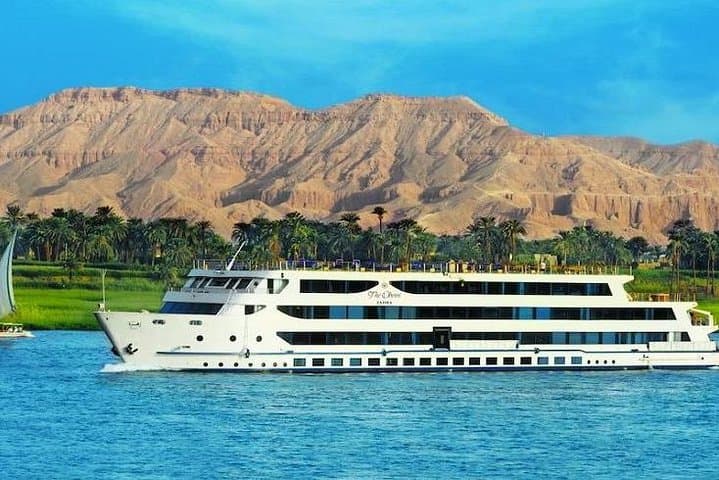
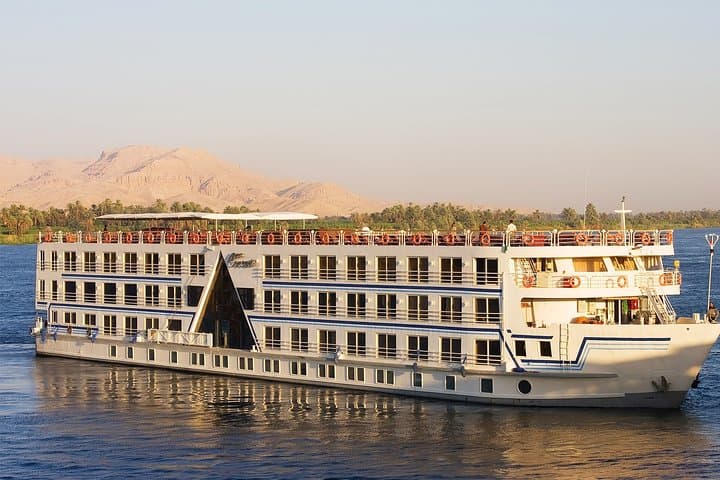
Morning light slides along the Nile and the cruise ship answers with a low hum: decks warm underfoot, feluccas stitch the horizon, and temple pylons puncture the desert skyline. Guests disembark between short sails and long afternoons, moving from the colonnades of Karnak to the shadowed corridors of royal tombs on the West Bank.
Morning light slides along the Nile and the cruise ship answers with a low hum: decks warm underfoot, feluccas stitch the horizon, and temple pylons puncture the desert skyline. Guests disembark between short sails and long afternoons, moving from the colonnades of Karnak to the shadowed corridors of royal tombs on the West Bank.
This corridor of the Nile is an open archive: New Kingdom pharaohs built Luxor and the Valley of the Kings, later Ptolemaic rulers set up Edfu and Kom Ombo, and modern engineering reoriented the river at the Aswan High Dam. Geologically, the river carves a narrow, fertile ribbon through Nubian granite near Aswan and softer sandstone around Luxor—materials the ancients quarried for obelisks and temples.
Culture here is layered: temple cults, Coptic and Islamic communities, and living Nubian traditions in the south. Onboard, expect full‑board comfort with guided shore excursions, short coach transfers, and guided entry into major sites; between ports the Nile itself pushes the itinerary forward, carrying you past riverine palms and small riverside farms.
Practical edge: the cruise covers roughly 220–240 km between Luxor and Aswan over five days with minimal elevation change but lots of stairs at archaeological sites. Bring sturdy shoes for uneven stone, high-SPF sun protection, cash for local purchases and tips, and a small daypack for camera, water, and a light layer for cooler mornings. Start early for quieter tomb visits and reserve evening deck time for sunset views toward the desert.