THE ADVENTURE COLLECTIVE® · Independent discovery and booking for outdoor travel

Float down the Nile on a four-night cruise from Luxor to Aswan — days split between gentle river time and intense visits to Karnak, the Valley of the Kings, Kom Ombo and Philae. Expect early mornings, uneven temple steps, and a steady dose of ancient history.
Float down the Nile on a four-night cruise from Luxor to Aswan — days split between gentle river time and intense visits to Karnak, the Valley of the Kings, Kom Ombo and Philae. Expect early mornings, uneven temple steps, and a steady dose of ancient history.
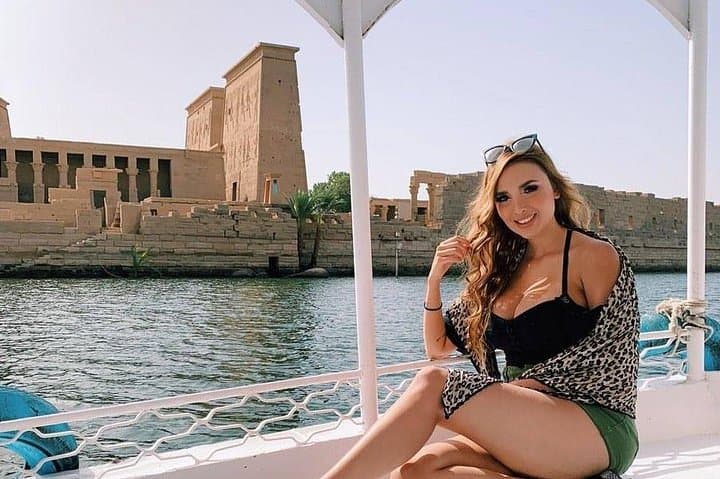
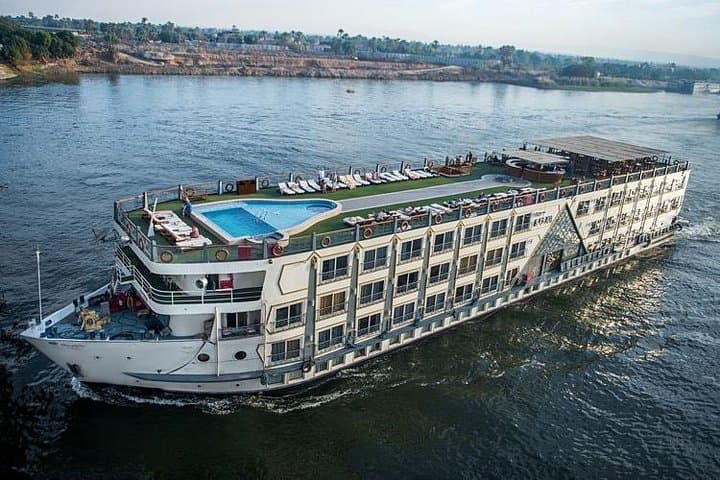
You step onto the deck as the Nile takes a long, patient breath — the river pulls the boat south and the late-afternoon light slants across date palms and mud-brick villages. Above the low hills of Upper Egypt the sandstone cliffs look like pages of history; below, the water carries a steady, centuries-old current that has shaped agriculture and empires.
Verified experiences and guided adventures in the surrounding area.
Operated by EZ Tour Egypt · Luxor, Luxor Governorate
You step onto the deck as the Nile takes a long, patient breath — the river pulls the boat south and the late-afternoon light slants across date palms and mud-brick villages. Above the low hills of Upper Egypt the sandstone cliffs look like pages of history; below, the water carries a steady, centuries-old current that has shaped agriculture and empires.
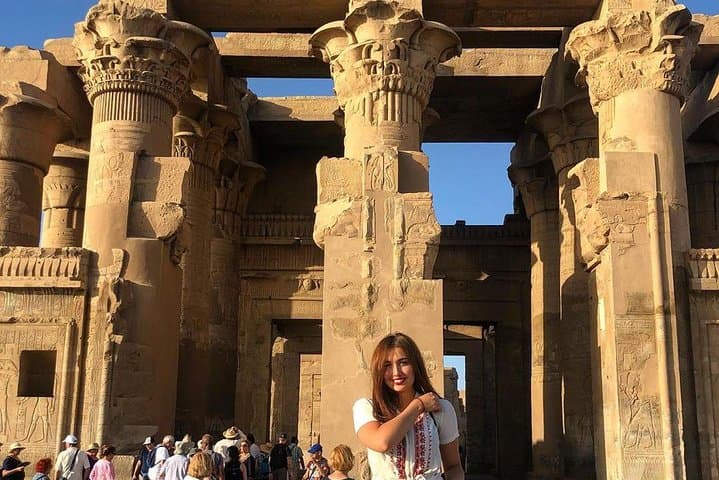
This four-night cruise threads the classic route from Luxor’s temple-lined banks to Aswan’s granite quarries. Days are spent ashore at Karnak and Luxor Temples, the Valley of the Kings, Hatshepsut’s mortuary terraces and the Colossi of Memnon; mid-route stops include Edfu’s well-preserved Horus temple and the double sanctuary of Kom Ombo. Geology explains much here: the Nile’s floodplain sits against sedimentary limestone and the Aswan area exposes granite used in obelisks and statuary — the Unfinished Obelisk at Aswan is an open lesson in ancient quarrying.
Culture is tactile: prayer calls from river towns, linen sellers, and the slow, practiced hospitality of crew and guides. Practicalities matter — mornings are best for sites to avoid heat and crowds, and many temple floors are uneven with steps and low lintels.
Bring sturdy walking shoes for archaeological sites, sun protection for deck hours, and a compact daypack for hours ashore. Plan for early starts and brief boat transfers; guides typically handle tickets and navigation, but carry copies of your passport. Expect relaxed cruising interspersed with concentrated, often stair-steep visits to some of Egypt’s most iconic archaeological treasures.
moderate.
4–5 days.
Light to moderate fitness: able to walk on uneven ground and climb short stone staircases; long days on foot possible.
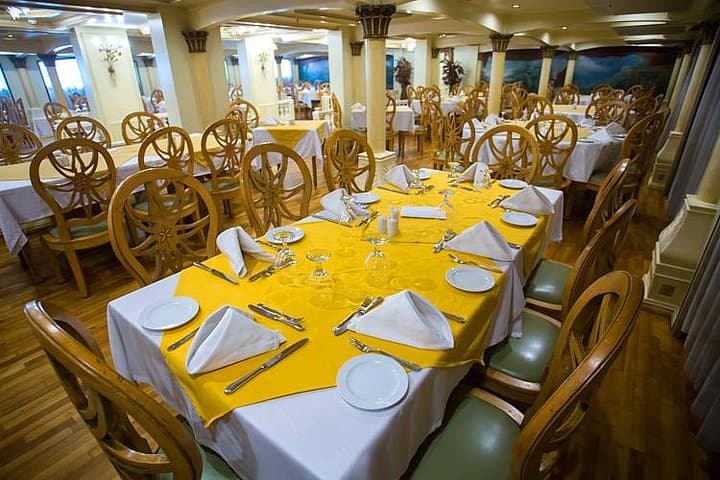
Typical itineraries are 4 nights/5 days from Luxor to Aswan and include onboard meals, cabin accommodation, guided shore excursions and private transfers as specified on booking.
Many cruises include guided visits but not always all admission tickets; confirm which temple entries and special tomb permits are covered before travel.
The cruise pace is relaxed but archaeological sites have stairs and uneven terrain; travelers with mobility issues should check transfer and excursion accessibility in advance.
Some itineraries offer an Abu Simbel day trip from Aswan (often by bus or plane) — verify whether it’s included or available as an add-on.
This route follows the Nile’s role as the artery of pharaonic Egypt; major monuments date from the New Kingdom and earlier, while Aswan’s granite quarries supplied stone for obelisks and temple statuary.
High visitor numbers and fluctuating Nile management stress archaeological sites; choose operators who follow local guidelines, avoid touching reliefs, and support conservation fees where charged.
EZ Tour Egypt operates guided outdoor trips and adventures with an emphasis on safety, stewardship, and memorable experiences.
You step onto the deck as the Nile takes a long, patient breath — the river pulls the boat south and the late-afternoon light slants across date palms and mud-brick villages. Above the low hills of Upper Egypt the sandstone cliffs look like pages of history; below, the water carries a steady, centuries-old current that has shaped agriculture and empires.
You step onto the deck as the Nile takes a long, patient breath — the river pulls the boat south and the late-afternoon light slants across date palms and mud-brick villages. Above the low hills of Upper Egypt the sandstone cliffs look like pages of history; below, the water carries a steady, centuries-old current that has shaped agriculture and empires.
This four-night cruise threads the classic route from Luxor’s temple-lined banks to Aswan’s granite quarries. Days are spent ashore at Karnak and Luxor Temples, the Valley of the Kings, Hatshepsut’s mortuary terraces and the Colossi of Memnon; mid-route stops include Edfu’s well-preserved Horus temple and the double sanctuary of Kom Ombo. Geology explains much here: the Nile’s floodplain sits against sedimentary limestone and the Aswan area exposes granite used in obelisks and statuary — the Unfinished Obelisk at Aswan is an open lesson in ancient quarrying.
Culture is tactile: prayer calls from river towns, linen sellers, and the slow, practiced hospitality of crew and guides. Practicalities matter — mornings are best for sites to avoid heat and crowds, and many temple floors are uneven with steps and low lintels.
Bring sturdy walking shoes for archaeological sites, sun protection for deck hours, and a compact daypack for hours ashore. Plan for early starts and brief boat transfers; guides typically handle tickets and navigation, but carry copies of your passport. Expect relaxed cruising interspersed with concentrated, often stair-steep visits to some of Egypt’s most iconic archaeological treasures.