THE ADVENTURE COLLECTIVE® · Independent discovery and booking for outdoor travel

Float over Luxor in a hot-air balloon, then let a five-star Nile cruiser ferry you past ancient temples, Nubian villages and the relocated marvels of Abu Simbel. This 4‑night trip pairs slow river travel with intensive daily tours.
Float over Luxor in a hot-air balloon, then let a five-star Nile cruiser ferry you past ancient temples, Nubian villages and the relocated marvels of Abu Simbel. This 4‑night trip pairs slow river travel with intensive daily tours.
Dawn breaks over the Nile and the river takes you slowly downstream — palms slide past like pages in an old book while a hot-air balloon hovers above the West Bank, stitching light onto the desert.
Verified experiences and guided adventures in the surrounding area.
Operated by Egypt Travel Line · Luxor, Luxor Governorate
Dawn breaks over the Nile and the river takes you slowly downstream — palms slide past like pages in an old book while a hot-air balloon hovers above the West Bank, stitching light onto the desert.
This 4‑night cruise from Luxor to Aswan stitches together Egypt’s living history: Karnak and Luxor temples rise from the east bank’s silt plain; the Valley of the Kings cuts into limestone cliffs where pharaohs sheltered their dead; Abu Simbel’s colossal figures stare across Lake Nasser, relocated stone by stone when the Aswan High Dam flooded Nubia in the 1960s. Geology here is simple and honest — the Nile’s floodplain and the adjacent sandstone escarpments define where settlements grew and temples were carved.
Culture is immediate: boat decks become afternoon salons for hibiscus tea, while Nubian villages along the shore invite conversation, music and bright-painted houses. On land expect dusty stone courts, steep temple ramps and narrow tomb passages; on water expect slow, steady sailing and regular stops for guided visits.
Practical guide: travel light for temple stairs and dusty paths, plan early starts for balloon pickups before wind picks up, and carry cash for small purchases and tips in villages. Sun protection and a reusable water bottle are non-negotiable; a compact daypack and sturdy shoes make temple archaeology comfortable. Expect guided commentary, long days of sightseeing and pockets of downtime on board to watch the Nile push you toward Aswan.
moderate.
5 days.
Suitable for travelers in average fitness—able to walk on uneven surfaces, climb stairs and manage several hours of guided touring each day.
Yes — the itinerary includes an early morning hot-air balloon flight over Luxor’s West Bank, with pickup and return transfers.
Visa rules depend on nationality; many visitors obtain an e-Visa or a visa on arrival, but check with your embassy before travel.
The listing notes wheelchair accessibility, but some temple sites and tombs have steps and uneven ground; confirm specific mobility needs with the operator ahead of booking.
Most walking is moderate but includes stairs, uneven stone and brief hikes into tombs—expect periods of standing during guided explanations.
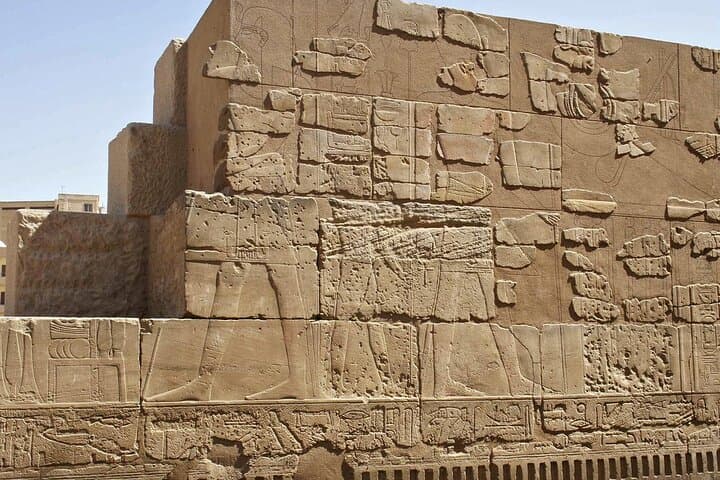
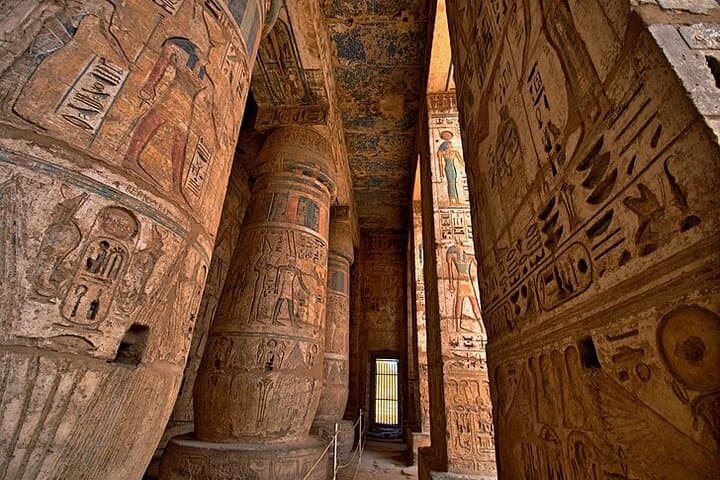
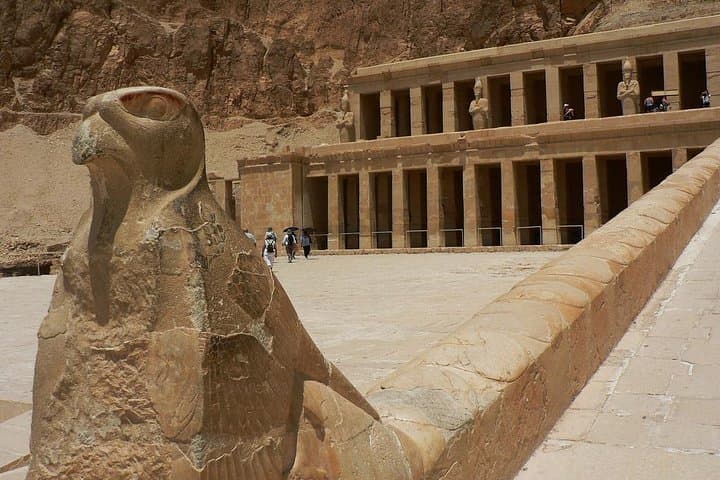
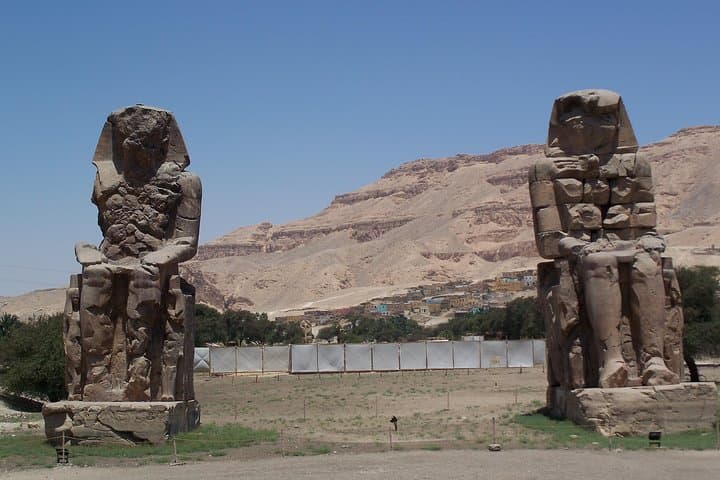
This corridor of the Nile was ancient Thebes, the political and religious heart of Egypt; several temples and tombs were expanded or rebuilt across millennia under pharaohs like Ramses II and Hatshepsut.
The relocation of Abu Simbel in the 1960s was a landmark archaeological rescue; today, visitor management and local conservation efforts aim to limit wear on stone surfaces and protect fragile riverine habitats.
Egypt Travel Line operates guided outdoor trips and adventures with an emphasis on safety, stewardship, and memorable experiences.
Dawn breaks over the Nile and the river takes you slowly downstream — palms slide past like pages in an old book while a hot-air balloon hovers above the West Bank, stitching light onto the desert.
Dawn breaks over the Nile and the river takes you slowly downstream — palms slide past like pages in an old book while a hot-air balloon hovers above the West Bank, stitching light onto the desert.
This 4‑night cruise from Luxor to Aswan stitches together Egypt’s living history: Karnak and Luxor temples rise from the east bank’s silt plain; the Valley of the Kings cuts into limestone cliffs where pharaohs sheltered their dead; Abu Simbel’s colossal figures stare across Lake Nasser, relocated stone by stone when the Aswan High Dam flooded Nubia in the 1960s. Geology here is simple and honest — the Nile’s floodplain and the adjacent sandstone escarpments define where settlements grew and temples were carved.
Culture is immediate: boat decks become afternoon salons for hibiscus tea, while Nubian villages along the shore invite conversation, music and bright-painted houses. On land expect dusty stone courts, steep temple ramps and narrow tomb passages; on water expect slow, steady sailing and regular stops for guided visits.
Practical guide: travel light for temple stairs and dusty paths, plan early starts for balloon pickups before wind picks up, and carry cash for small purchases and tips in villages. Sun protection and a reusable water bottle are non-negotiable; a compact daypack and sturdy shoes make temple archaeology comfortable. Expect guided commentary, long days of sightseeing and pockets of downtime on board to watch the Nile push you toward Aswan.