THE ADVENTURE COLLECTIVE® · Independent discovery and booking for outdoor travel

Glide from Luxor to Aswan on a four-day Nile cruise that pairs slow river hours with guided visits to the Valley of the Kings, Edfu, Kom Ombo and Philae. Practical and picturesque, the trip blends onboard comfort with accessible archaeological highlights.
Glide from Luxor to Aswan on a four-day Nile cruise that pairs slow river hours with guided visits to the Valley of the Kings, Edfu, Kom Ombo and Philae. Practical and picturesque, the trip blends onboard comfort with accessible archaeological highlights.
You step from Luxor’s morning heat onto a gangway where the Nile takes hold of the itinerary — a long, steady current that pushes the ship south and the past toward you.
Verified experiences and guided adventures in the surrounding area.
Operated by Bastet Travel · Luxor, Luxor Governorate
You step from Luxor’s morning heat onto a gangway where the Nile takes hold of the itinerary — a long, steady current that pushes the ship south and the past toward you.
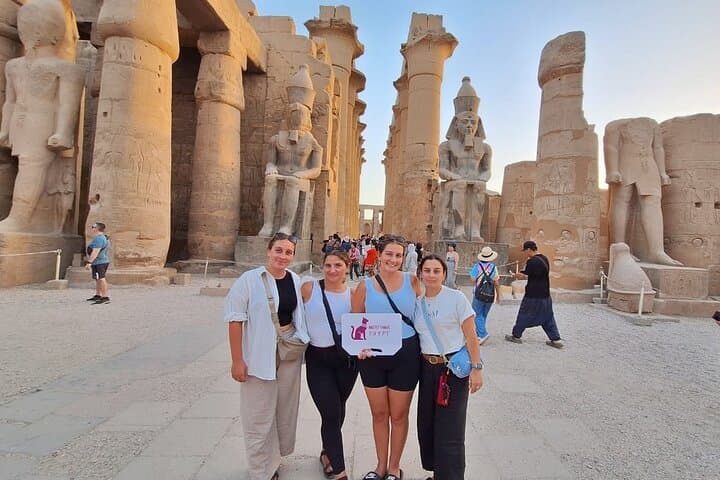
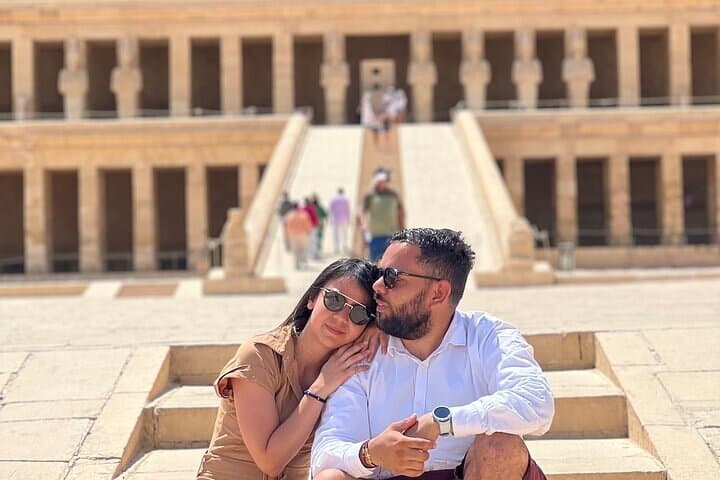
Over four days the cruise alternates brisk onshore walks and slow river hours. On Luxor’s West Bank the Valley of the Kings opens like a stone archive of painted corridors; nearby, Hatshepsut’s terraced funerary temple rises from cliff rock, pragmatic and commanding. As the boat slips through Esna Lock, cultivated floodplain gives way to low desert bluffs and reed-lined banks.
Edfu’s Ptolemaic Temple for Horus is remarkably intact: thick pylons, deep reliefs and a sense of architectural purpose. Kom Ombo’s symmetric shrine — shared by Sobek and Horus — reads like a paired argument in stone, complete with depictions of surgical instruments and a Nileometer. In Aswan, Philae’s colonnades were moved brick-by-brick to Agilkia Island to survive the High Dam; the Unfinished Obelisk in the granite quarries lays out the raw scale of ancient ambition.
Practical edge: the itinerary is physically easy but involves stairs, uneven stone and short walks in sun. Plan early starts, lightweight sun protection, reusable water, and modest clothing for temple entry. Expect guided walks of 30–180 minutes, comfortable evenings aboard a five-star cruiser, and transfers by private AC vehicle. Currency and tipping practices favor small local bills; follow your Egyptologist guide for ticketing and site access. The trip balances cultured pacing and riverside calm — the Nile keeps you moving while the monuments insist you slow down and read the details.
easy.
4 days (approx. 96 hours).
Suitable for travelers in average physical condition; able to walk 30–180 minutes with short stair climbs.
Most travelers to Egypt need a valid passport and may require a visa; check current entry rules for your nationality and ensure passport validity covers your stay.
Admission policies vary—many cruise packages include some fees but not all; confirm with the operator which site tickets are covered and carry extra cash for any onsite fees.
The cruise is listed as physically easy but many sites have uneven terrain and steps; contact the operator ahead of booking to discuss mobility needs and transfer arrangements.
Tours are typically led by a qualified Egyptologist; common languages include English and sometimes other European languages—confirm language availability when booking.
This river corridor was the lifeline of Pharaonic civilization; temples, quarries and necropolises line the Nile where ancient logistics and ritual clustered along accessible water.
Major rescue efforts (like Philae’s relocation) highlight ongoing water-management and heritage-protection work; travelers should follow stay-on-path rules, avoid touching reliefs and minimize waste.
Bastet Travel operates guided outdoor trips and adventures with an emphasis on safety, stewardship, and memorable experiences.
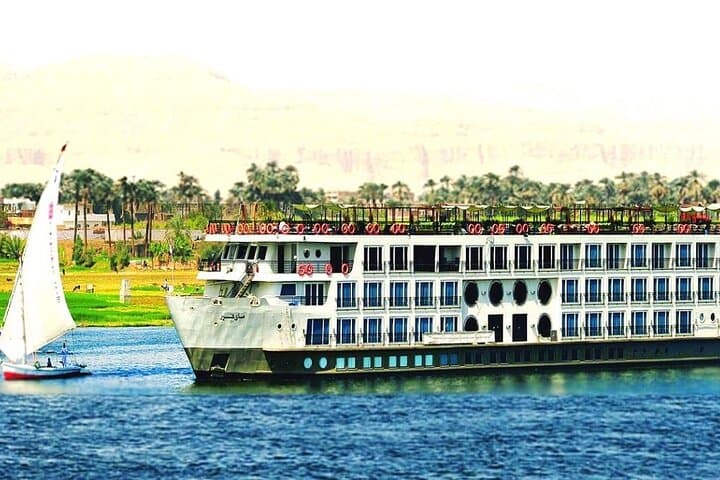
You step from Luxor’s morning heat onto a gangway where the Nile takes hold of the itinerary — a long, steady current that pushes the ship south and the past toward you.
You step from Luxor’s morning heat onto a gangway where the Nile takes hold of the itinerary — a long, steady current that pushes the ship south and the past toward you.
Over four days the cruise alternates brisk onshore walks and slow river hours. On Luxor’s West Bank the Valley of the Kings opens like a stone archive of painted corridors; nearby, Hatshepsut’s terraced funerary temple rises from cliff rock, pragmatic and commanding. As the boat slips through Esna Lock, cultivated floodplain gives way to low desert bluffs and reed-lined banks.
Edfu’s Ptolemaic Temple for Horus is remarkably intact: thick pylons, deep reliefs and a sense of architectural purpose. Kom Ombo’s symmetric shrine — shared by Sobek and Horus — reads like a paired argument in stone, complete with depictions of surgical instruments and a Nileometer. In Aswan, Philae’s colonnades were moved brick-by-brick to Agilkia Island to survive the High Dam; the Unfinished Obelisk in the granite quarries lays out the raw scale of ancient ambition.
Practical edge: the itinerary is physically easy but involves stairs, uneven stone and short walks in sun. Plan early starts, lightweight sun protection, reusable water, and modest clothing for temple entry. Expect guided walks of 30–180 minutes, comfortable evenings aboard a five-star cruiser, and transfers by private AC vehicle. Currency and tipping practices favor small local bills; follow your Egyptologist guide for ticketing and site access. The trip balances cultured pacing and riverside calm — the Nile keeps you moving while the monuments insist you slow down and read the details.