THE ADVENTURE COLLECTIVE® · Independent discovery and booking for outdoor travel

Glide from Luxor to Aswan on a four-day Nile cruise that pairs celebrated temples with relaxed sundeck hours. Expect guided visits to Karnak, the Valley of the Kings, Edfu and Kom Ombo, plus Aswan's High Dam and Philae Temple.
Glide from Luxor to Aswan on a four-day Nile cruise that pairs celebrated temples with relaxed sundeck hours. Expect guided visits to Karnak, the Valley of the Kings, Edfu and Kom Ombo, plus Aswan's High Dam and Philae Temple.
You step onto the cruise's teak deck at midday as the Nile slides past—muddy, patient, and insistent—carrying palm-fringed fields and village felucca shadows downstream.
Verified experiences and guided adventures in the surrounding area.
Operated by Book Your Tours · Luxor, Luxor Governorate
You step onto the cruise's teak deck at midday as the Nile slides past—muddy, patient, and insistent—carrying palm-fringed fields and village felucca shadows downstream.
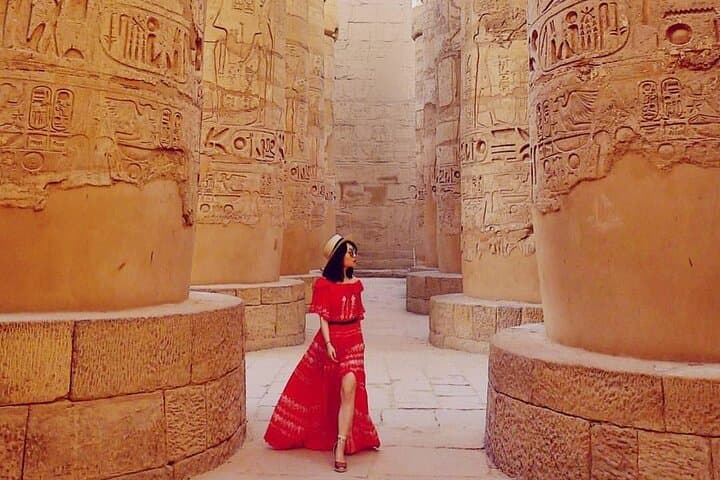
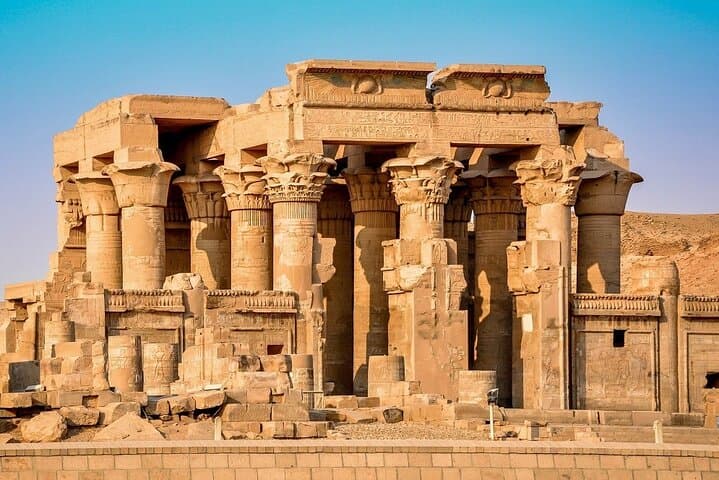
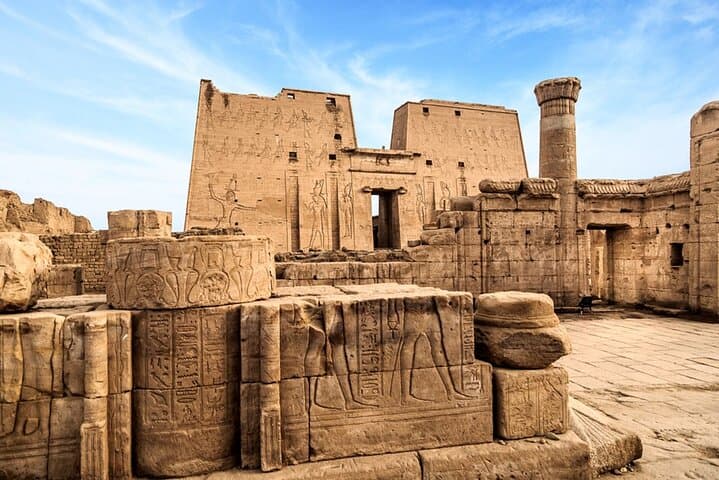
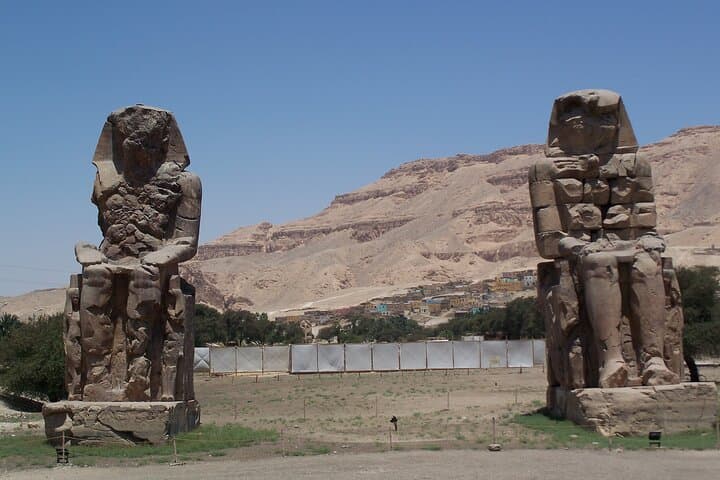
Over four days and three nights the river becomes both highway and story. In Luxor you visit Karnak's columned avenues, where red sandstone and granite block out the desert sun and pharaohs carved names into stone over two millennia. The West Bank's Valley of the Kings reveals tomb corridors cut into limestone—geology and funerary engineering that kept treasures sealed for centuries. At Edfu, the temple of Horus presents one of Egypt's most intact Ptolemaic sanctuaries; Kom Ombo's twin shrines tell of crocodile and falcon gods sharing a cliffside view.
Culture on board is casual: evening folkloric shows, shared meals, and staff fluent in English who translate both local ritual and practicalities. The High Dam at Aswan illustrates modern engineering shaping the Nile's flow and Egypt's 20th-century transformation.
Practical guidance: plan for strong sun, dust, and steps at archaeological sites. Most walking is short but uneven—bring supportive shoes and a small daypack. Morning visits are cooler and less crowded; afternoon sailings are ideal for tea on deck and horizon watching. Carry local currency for entry fees, bottled water for site visits, and comfortable layers for temperature swings between early morning and late evening.
This itinerary suits travelers who want archaeology and calm river travel combined: modest exertion, rich context, and steady, scenic pace.
easy.
4 days.
Suitable for most fitness levels; short walks on uneven terrain and some steps at monuments
Standard cruise packages often include guided visits but not all national site entrance fees—check booking inclusions and carry cash for tickets.
Many transfers and main decks are accessible, but archaeological sites frequently have stairs and uneven terrain; contact the operator for specific accessibility arrangements.
Full board on a five-star Nile cruise usually includes buffet breakfasts, lunch and dinner with Egyptian and international dishes, and options for dietary needs if notified in advance.
Some cruises offer limited complimentary Wi‑Fi (e.g., up to 4GB); signal can be intermittent along the river, so plan offline maps and documents.
The Nile corridor has been Egypt's cultural backbone for millennia; many temples along this route span Pharaonic, Ptolemaic and Greco-Roman periods, reflecting continuous occupation and reinvention.
Tourism pressure and river traffic affect fragile sites and shoreline habitats; stick to marked paths, avoid touching reliefs, and minimize single-use plastics to reduce impact.
Book Your Tours operates guided outdoor trips and adventures with an emphasis on safety, stewardship, and memorable experiences.
You step onto the cruise's teak deck at midday as the Nile slides past—muddy, patient, and insistent—carrying palm-fringed fields and village felucca shadows downstream.
You step onto the cruise's teak deck at midday as the Nile slides past—muddy, patient, and insistent—carrying palm-fringed fields and village felucca shadows downstream.
Over four days and three nights the river becomes both highway and story. In Luxor you visit Karnak's columned avenues, where red sandstone and granite block out the desert sun and pharaohs carved names into stone over two millennia. The West Bank's Valley of the Kings reveals tomb corridors cut into limestone—geology and funerary engineering that kept treasures sealed for centuries. At Edfu, the temple of Horus presents one of Egypt's most intact Ptolemaic sanctuaries; Kom Ombo's twin shrines tell of crocodile and falcon gods sharing a cliffside view.
Culture on board is casual: evening folkloric shows, shared meals, and staff fluent in English who translate both local ritual and practicalities. The High Dam at Aswan illustrates modern engineering shaping the Nile's flow and Egypt's 20th-century transformation.
Practical guidance: plan for strong sun, dust, and steps at archaeological sites. Most walking is short but uneven—bring supportive shoes and a small daypack. Morning visits are cooler and less crowded; afternoon sailings are ideal for tea on deck and horizon watching. Carry local currency for entry fees, bottled water for site visits, and comfortable layers for temperature swings between early morning and late evening.
This itinerary suits travelers who want archaeology and calm river travel combined: modest exertion, rich context, and steady, scenic pace.