THE ADVENTURE COLLECTIVE® · Independent discovery and booking for outdoor travel

Float over Luxor at sunrise, then trade the balloon for a 3-night five-star Nile cruise that stops at Karnak, Edfu, Kom Ombo and the monumental Abu Simbel. Expect early mornings, guided temple walks and relaxed river sailing between historic sites.
Float over Luxor at sunrise, then trade the balloon for a 3-night five-star Nile cruise that stops at Karnak, Edfu, Kom Ombo and the monumental Abu Simbel. Expect early mornings, guided temple walks and relaxed river sailing between historic sites.
Dawn lifts a honeyed light off the Nile as the cruise waits at Luxor’s quay — palm-lined banks slip past like pages and the river dares you to slow down. From a wicker basket dozens of feet above the floodplain, the hot air balloon gives a silent, panoramic reading of temples, fields and the river’s braided islands; below, the cruise ship becomes a home base for a four-day sweep through Pharaonic history.
Verified experiences and guided adventures in the surrounding area.
Operated by Here Egypt Tours · Luxor, Luxor Governorate
Dawn lifts a honeyed light off the Nile as the cruise waits at Luxor’s quay — palm-lined banks slip past like pages and the river dares you to slow down. From a wicker basket dozens of feet above the floodplain, the hot air balloon gives a silent, panoramic reading of temples, fields and the river’s braided islands; below, the cruise ship becomes a home base for a four-day sweep through Pharaonic history.
This route threads the heart of Upper Egypt: Luxor’s Valley of the Kings and Karnak reflect millennia of pharaonic power; Edfu and Kom Ombo reveal Ptolemaic temple grammar; Abu Simbel, resettled in the 1960s, stands as a modern engineering and heritage landmark. Geologically the Nile’s annual silt and the river’s terraces shaped the floodplain that supported ancient kingdoms; culturally you’ll cross from Luxor’s temple-dense east bank to Nubian-influenced Aswan, where crafts and river life dominate.
Expect guided temple walks, short transfers by coach and motorboat, and a horse-and-carriage ride at Edfu. Practicalities matter: early starts for the balloon and Abu Simbel, modest dress inside holy sites, and regular checkpoints where photography or bag checks apply. Hydration and sun protection are constant companions; shoes should handle sand, stone steps and short uneven paths.
Plan time for relaxed sailing between ports — watch villages and reed beds pass, and allow the guide to breathe context into each ruin. This is Egypt paced by the river: part spectacle, part slow cultural lesson, all anchored by straightforward logistics and a steady itinerary that delivers the highlights without unnecessary hurry.
moderate.
3–4 days.
Moderate — able to walk 2–4 miles total over uneven surfaces and climb temple steps; nothing highly technical.
Yes — the itinerary lists the hot air balloon in Luxor as included; it is weather-dependent and may be refunded if cancelled.
Abu Simbel is approximately 280 km south of Aswan; the round trip is an early start and several hours by road, usually departing before dawn.
All meals are included from lunch on day one through breakfast on the final day, plus onboard dining and teas during sailing.
Children under 6 are not permitted on the balloon; policies for older children vary and are outlined by the operator.
The corridor between Luxor and Aswan contains temples and tombs spanning the New Kingdom through Ptolemaic eras; Abu Simbel was relocated in the 1960s to save it from the Aswan High Dam reservoir.
Rising visitor numbers put pressure on fragile sites and water resources—follow site rules, avoid littering, and prefer licensed guides to support sustainable tourism.
Here Egypt Tours operates guided outdoor trips and adventures with an emphasis on safety, stewardship, and memorable experiences.
Dawn lifts a honeyed light off the Nile as the cruise waits at Luxor’s quay — palm-lined banks slip past like pages and the river dares you to slow down. From a wicker basket dozens of feet above the floodplain, the hot air balloon gives a silent, panoramic reading of temples, fields and the river’s braided islands; below, the cruise ship becomes a home base for a four-day sweep through Pharaonic history.
Dawn lifts a honeyed light off the Nile as the cruise waits at Luxor’s quay — palm-lined banks slip past like pages and the river dares you to slow down. From a wicker basket dozens of feet above the floodplain, the hot air balloon gives a silent, panoramic reading of temples, fields and the river’s braided islands; below, the cruise ship becomes a home base for a four-day sweep through Pharaonic history.
This route threads the heart of Upper Egypt: Luxor’s Valley of the Kings and Karnak reflect millennia of pharaonic power; Edfu and Kom Ombo reveal Ptolemaic temple grammar; Abu Simbel, resettled in the 1960s, stands as a modern engineering and heritage landmark. Geologically the Nile’s annual silt and the river’s terraces shaped the floodplain that supported ancient kingdoms; culturally you’ll cross from Luxor’s temple-dense east bank to Nubian-influenced Aswan, where crafts and river life dominate.
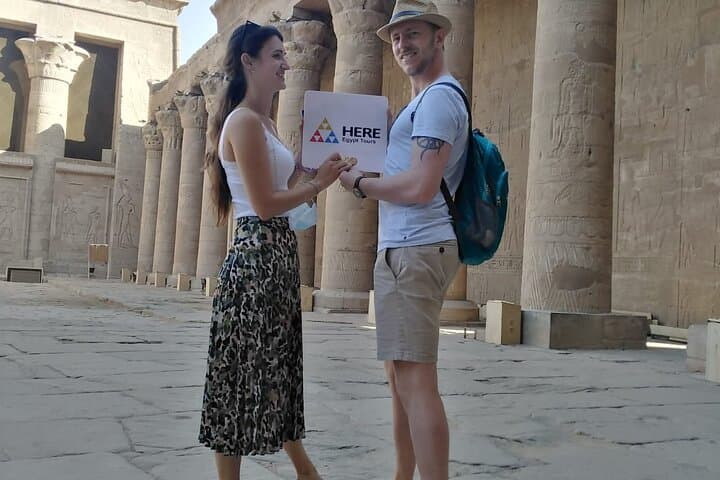
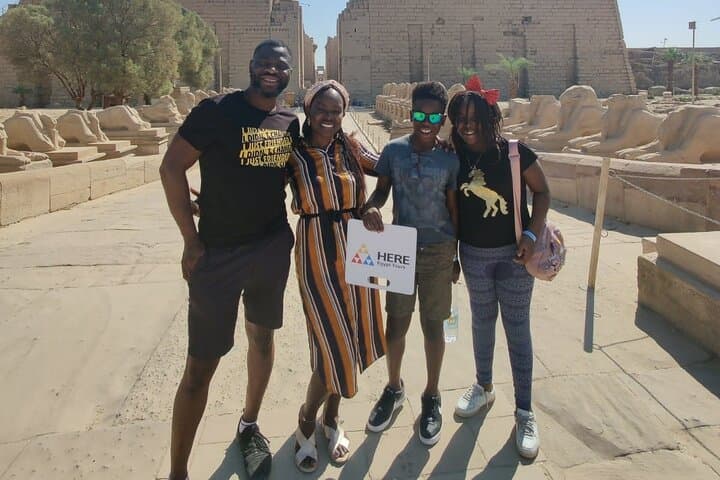
Expect guided temple walks, short transfers by coach and motorboat, and a horse-and-carriage ride at Edfu. Practicalities matter: early starts for the balloon and Abu Simbel, modest dress inside holy sites, and regular checkpoints where photography or bag checks apply. Hydration and sun protection are constant companions; shoes should handle sand, stone steps and short uneven paths.
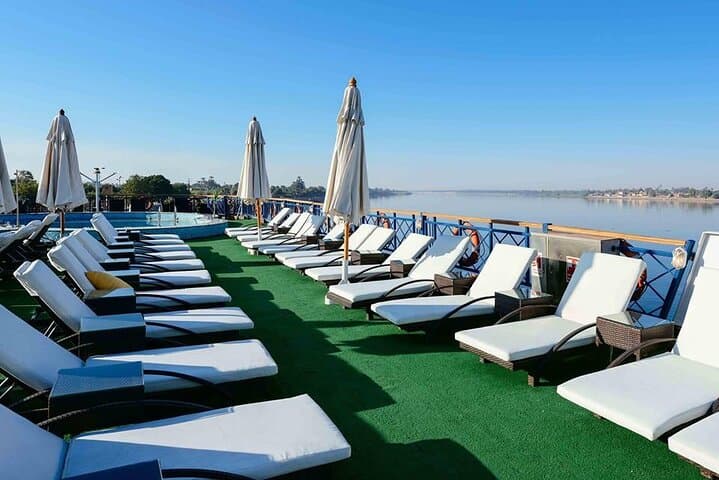
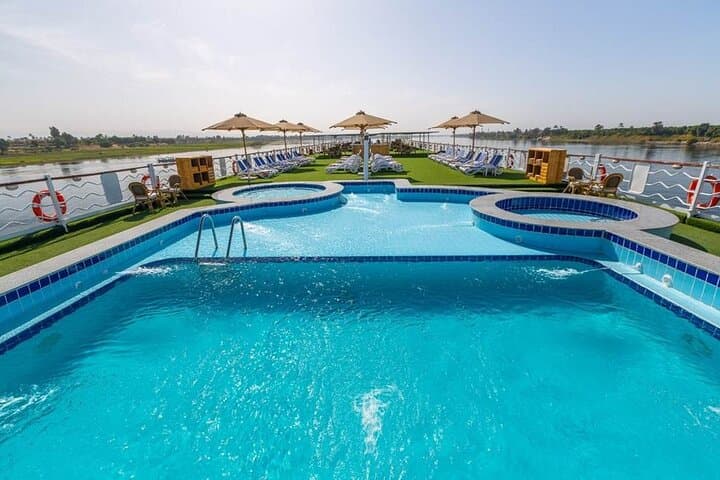
Plan time for relaxed sailing between ports — watch villages and reed beds pass, and allow the guide to breathe context into each ruin. This is Egypt paced by the river: part spectacle, part slow cultural lesson, all anchored by straightforward logistics and a steady itinerary that delivers the highlights without unnecessary hurry.