THE ADVENTURE COLLECTIVE® · Independent discovery and booking for outdoor travel

Float over Luxor at sunrise, then sail the Nile past temples that shaped civilizations. This 3-night cruise blends hot-air ballooning, guided archaeology and relaxed rivertime between Luxor and Aswan.
Float over Luxor at sunrise, then sail the Nile past temples that shaped civilizations. This 3-night cruise blends hot-air ballooning, guided archaeology and relaxed rivertime between Luxor and Aswan.
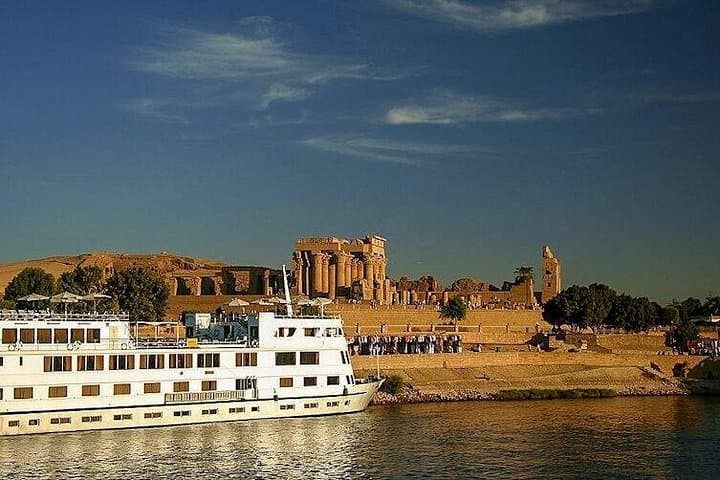
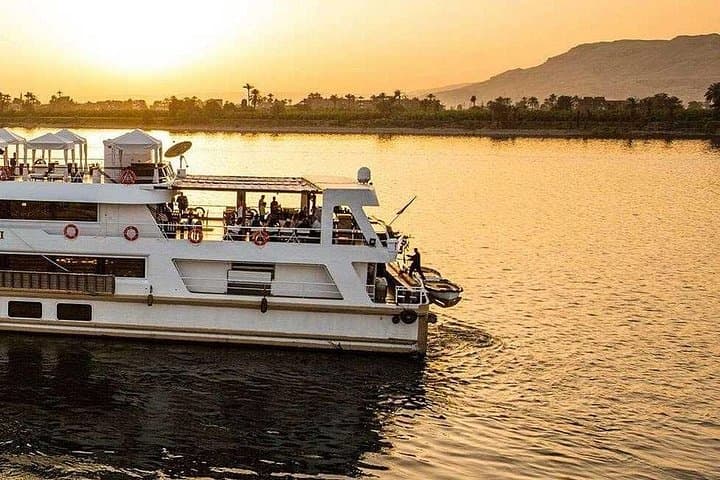
You wake before dawn, the basket swaying as the balloon lifts and Luxor’s temples peel out of the morning haze. Below, the Nile runs like an old road, carrying villages, sugarcane fields and the silhouettes of pharaonic columns past the hull of your five-star cruise.
Verified experiences and guided adventures in the surrounding area.
Operated by Saray El-Nile · Luxor, Luxor Governorate
You wake before dawn, the basket swaying as the balloon lifts and Luxor’s temples peel out of the morning haze. Below, the Nile runs like an old road, carrying villages, sugarcane fields and the silhouettes of pharaonic columns past the hull of your five-star cruise.
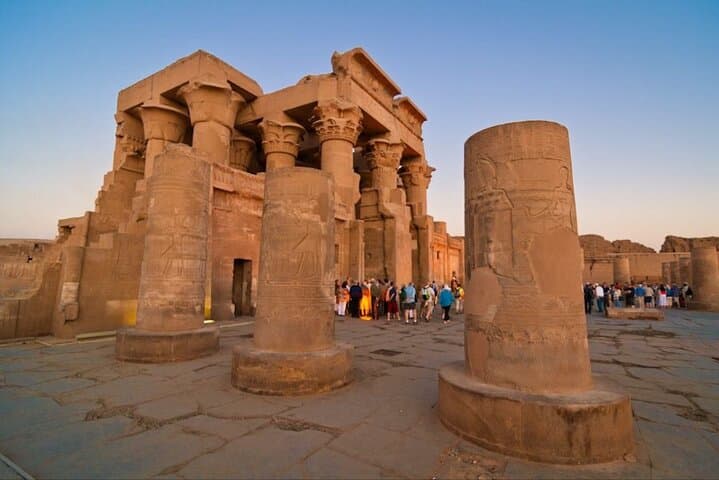
This compact four-day itinerary threads together Egypt’s layered history: New Kingdom necropolises on the west bank, the monumental pylons of Karnak and Luxor, the crocodile and falcon sanctuaries at Kom Ombo, and the relocated colossi of Abu Simbel—cut from the cliff and reborn when the Aswan High Dam flooded the valley. Geologically the Nile corridor is a ribbon of alluvium carved through desert rock; culturally it has been the lifeblood of the region for millennia, shaping settlement, agriculture and ritual.
Expect boarding in Luxor, guided temple visits with an Egyptologist, a pre-dawn balloon flight, carriage rides at Edfu, and steady cruising between ports. Days alternate active temple touring with restful afternoons on deck, where river light changes the sandstone’s color.
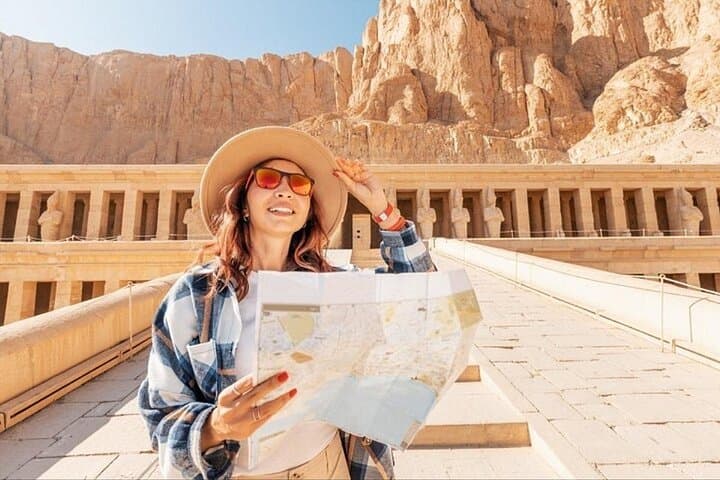
Practical notes: book the balloon early in your trip (weather can cancel), bring sun protection and a brimmed hat, and carry small change for tips and temple kiosks. Light walking and some uneven stone surfaces are standard; comfortable closed shoes and a daypack are useful. Stay hydrated—the desert sun is persistent—and plan Abu Simbel early to avoid the heat and crowds. This trip balances iconic archaeology with effortless river travel, ideal for travelers who want high-impact cultural sights without heavy trekking.
easy.
4 days.
Basic mobility for walking short distances and climbing temple steps; minimal sustained fitness required
Operators typically accept children but minimum age/height rules vary; check with your provider and ensure children are supervised during boarding.
Yes—this itinerary includes an early-morning excursion to Abu Simbel, often by coach or arranged transfer from Aswan before departure.
Major temple admissions noted in the itinerary are included; confirm specifics with your booking provider for any optional sites or special tomb fees.
Balloon flights are weather-dependent; reputable operators will refund or reschedule when flights are canceled for safety—book the balloon early in the trip to allow flexibility.
This Nile corridor was central to ancient Egyptian statecraft: Theban temples and royal tombs from the New Kingdom reflect concentrated wealth and religious practice along the river.
Tourism pressures and the legacy of the Aswan High Dam affect riverine ecosystems and archaeological site preservation; choose operators who follow local cultural and environmental guidelines.
Saray El-Nile operates guided outdoor trips and adventures with an emphasis on safety, stewardship, and memorable experiences.
You wake before dawn, the basket swaying as the balloon lifts and Luxor’s temples peel out of the morning haze. Below, the Nile runs like an old road, carrying villages, sugarcane fields and the silhouettes of pharaonic columns past the hull of your five-star cruise.
You wake before dawn, the basket swaying as the balloon lifts and Luxor’s temples peel out of the morning haze. Below, the Nile runs like an old road, carrying villages, sugarcane fields and the silhouettes of pharaonic columns past the hull of your five-star cruise.
This compact four-day itinerary threads together Egypt’s layered history: New Kingdom necropolises on the west bank, the monumental pylons of Karnak and Luxor, the crocodile and falcon sanctuaries at Kom Ombo, and the relocated colossi of Abu Simbel—cut from the cliff and reborn when the Aswan High Dam flooded the valley. Geologically the Nile corridor is a ribbon of alluvium carved through desert rock; culturally it has been the lifeblood of the region for millennia, shaping settlement, agriculture and ritual.
Expect boarding in Luxor, guided temple visits with an Egyptologist, a pre-dawn balloon flight, carriage rides at Edfu, and steady cruising between ports. Days alternate active temple touring with restful afternoons on deck, where river light changes the sandstone’s color.
Practical notes: book the balloon early in your trip (weather can cancel), bring sun protection and a brimmed hat, and carry small change for tips and temple kiosks. Light walking and some uneven stone surfaces are standard; comfortable closed shoes and a daypack are useful. Stay hydrated—the desert sun is persistent—and plan Abu Simbel early to avoid the heat and crowds. This trip balances iconic archaeology with effortless river travel, ideal for travelers who want high-impact cultural sights without heavy trekking.