THE ADVENTURE COLLECTIVE® · Independent discovery and booking for outdoor travel

A four-day luxury Nile cruise that links Luxor and Aswan with guided visits to the Valley of the Kings, Horus Temple, Kom Ombo and Philae. Board in Luxor after a morning transfer from Hurghada and spend three nights cruising between Egypt’s greatest archaeological sites.
A four-day luxury Nile cruise that links Luxor and Aswan with guided visits to the Valley of the Kings, Horus Temple, Kom Ombo and Philae. Board in Luxor after a morning transfer from Hurghada and spend three nights cruising between Egypt’s greatest archaeological sites.
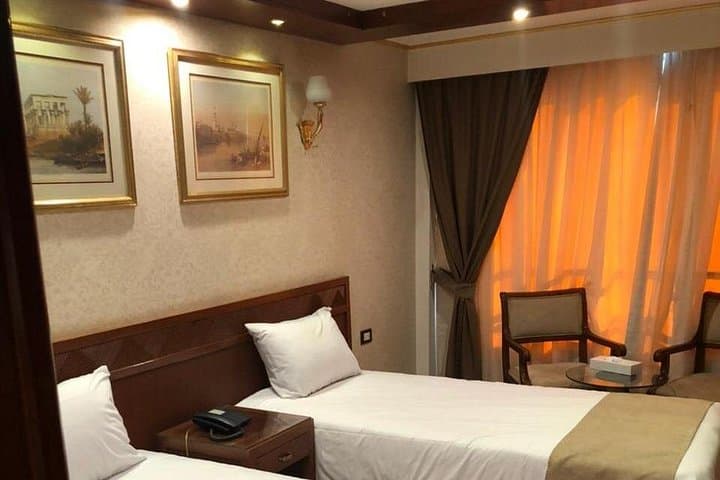
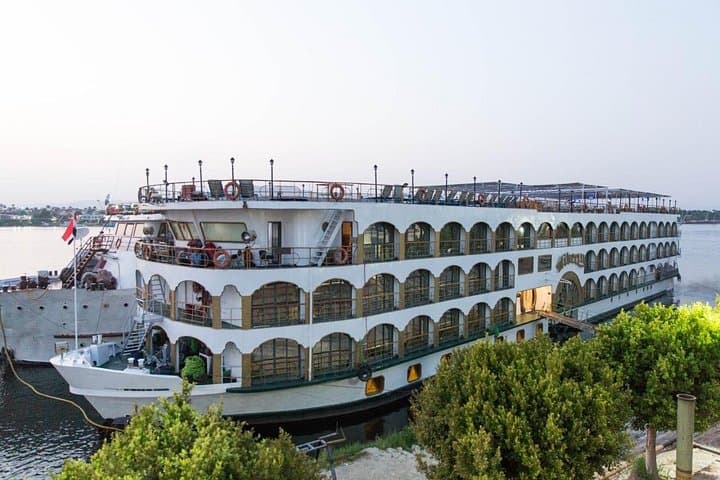
You wake before dawn in a Red Sea resort, the driver waiting at 04:30 for the smooth road west to the Nile. By mid-morning the cruise moors in Luxor; date palms and stone pylons slide past the deck as the boat becomes basecamp for four days of temples, tombs and shoreline villages.
Verified experiences and guided adventures in the surrounding area.
Operated by Imperialegypt · Luxor, Luxor Governorate
You wake before dawn in a Red Sea resort, the driver waiting at 04:30 for the smooth road west to the Nile. By mid-morning the cruise moors in Luxor; date palms and stone pylons slide past the deck as the boat becomes basecamp for four days of temples, tombs and shoreline villages.
The route follows the ancient artery of Egypt: Luxor’s Karnak and the Valley of the Kings speak to New Kingdom power; Edfu’s Horus Temple and Kom Ombo’s dual shrines reveal Ptolemaic engineering; Aswan’s High Dam and Philae recall modern interventions on a millennia-old river. Geology here is sedimentary—Nile silt resting on limestone cliffs—and culture is visibly layered: Pharaonic stonework, Greco-Roman reliefs, and Nubian villages where river life remains central.
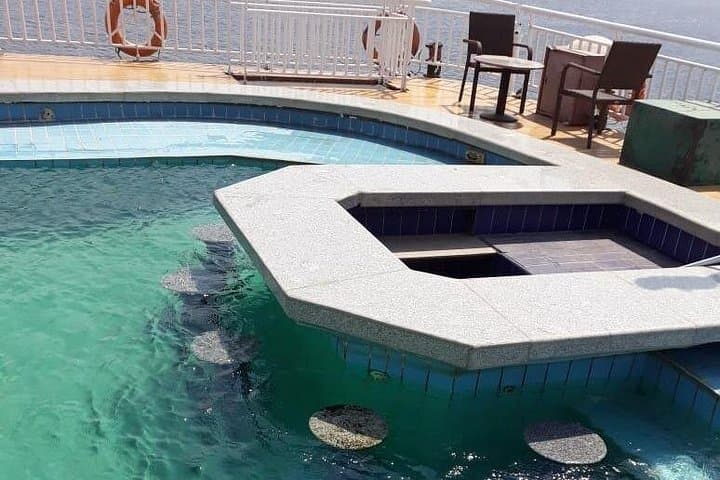
Expect leisurely sail segments broken by guided shore excursions, short drives to sites, and time on deck watching the water push the boat south. Guides are often qualified Egyptologists who orient you to hieroglyphs, burial practices and temple alignments.
Practical edge: travel light for on/off boarding, bring a hat and sun protection, and carry small bills for site fees or tips. Wear sturdy, closed-toe shoes for uneven temple steps and sandy approaches. Mornings and late afternoons are best for photography; midday can be intensely hot from late spring through summer.
This trip suits travelers who want cultural depth with minimal logistics—sleeping on the river, stepping ashore for the region’s best-preserved monuments, then drifting onward as the Nile quietly shapes the journey.
easy.
4 days.
Suitable for most travelers; involves short to moderate walking over uneven temple steps and sandy approaches.
Pick-up is in Hurghada early morning and includes an air-conditioned transfer to Luxor where you board the cruise vessel.
Meals listed in the itinerary (breakfast, lunch, dinner) are included; temple entrance fees vary—check your booking details or bring cash for any site-specific tickets.
The cruise itself is relaxed, but many monuments have uneven ground and steps—those with significant mobility issues should consult the operator in advance.
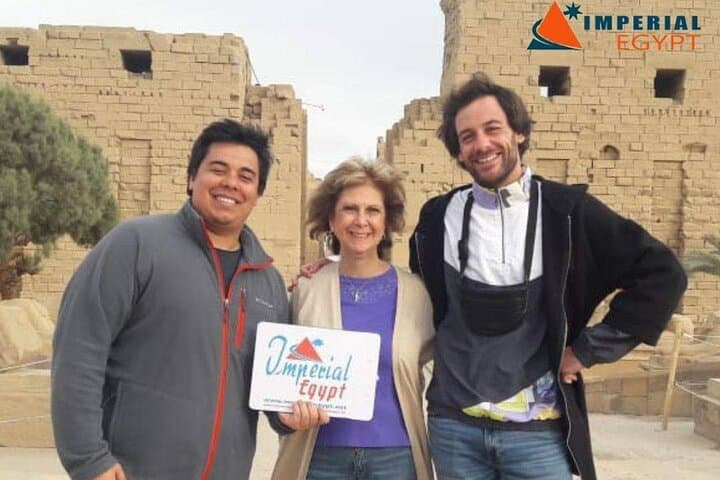
Qualified Egyptologist guides typically speak English; private guiding is common on these cruises and can be arranged per the itinerary.
The Nile corridor between Luxor and Aswan was the heart of New Kingdom Egypt and later Ptolemaic rule—temples here were built with astronomical alignments and river access in mind.
Practice low-impact tourism: avoid touching reliefs, carry out waste, and use local services to support community economies affected by tourism.
Imperialegypt operates guided outdoor trips and adventures with an emphasis on safety, stewardship, and memorable experiences.
You wake before dawn in a Red Sea resort, the driver waiting at 04:30 for the smooth road west to the Nile. By mid-morning the cruise moors in Luxor; date palms and stone pylons slide past the deck as the boat becomes basecamp for four days of temples, tombs and shoreline villages.
You wake before dawn in a Red Sea resort, the driver waiting at 04:30 for the smooth road west to the Nile. By mid-morning the cruise moors in Luxor; date palms and stone pylons slide past the deck as the boat becomes basecamp for four days of temples, tombs and shoreline villages.
The route follows the ancient artery of Egypt: Luxor’s Karnak and the Valley of the Kings speak to New Kingdom power; Edfu’s Horus Temple and Kom Ombo’s dual shrines reveal Ptolemaic engineering; Aswan’s High Dam and Philae recall modern interventions on a millennia-old river. Geology here is sedimentary—Nile silt resting on limestone cliffs—and culture is visibly layered: Pharaonic stonework, Greco-Roman reliefs, and Nubian villages where river life remains central.
Expect leisurely sail segments broken by guided shore excursions, short drives to sites, and time on deck watching the water push the boat south. Guides are often qualified Egyptologists who orient you to hieroglyphs, burial practices and temple alignments.
Practical edge: travel light for on/off boarding, bring a hat and sun protection, and carry small bills for site fees or tips. Wear sturdy, closed-toe shoes for uneven temple steps and sandy approaches. Mornings and late afternoons are best for photography; midday can be intensely hot from late spring through summer.
This trip suits travelers who want cultural depth with minimal logistics—sleeping on the river, stepping ashore for the region’s best-preserved monuments, then drifting onward as the Nile quietly shapes the journey.