THE ADVENTURE COLLECTIVE® · Independent discovery and booking for outdoor travel

Three days between Luxor and Aswan condense Egypt's most iconic riverfront temples into a comfortable, two-night cruise. Expect early starts, guided temple visits, and quiet stretches of Nile life between archeological highlights.
Three days between Luxor and Aswan condense Egypt's most iconic riverfront temples into a comfortable, two-night cruise. Expect early starts, guided temple visits, and quiet stretches of Nile life between archeological highlights.
The deck smells of warm wood and diesel as the Nile drifts by: fields of sugarcane slide past, a cluster of palms leans toward the water, and fishermen in feluccas tack against a slow current that seems intent on carrying you downstream. Morning light skims temple pylons; evenings set the desert cliffs alight.
Verified experiences and guided adventures in the surrounding area.
Operated by very great trip · Luxor, Luxor Governorate
The deck smells of warm wood and diesel as the Nile drifts by: fields of sugarcane slide past, a cluster of palms leans toward the water, and fishermen in feluccas tack against a slow current that seems intent on carrying you downstream. Morning light skims temple pylons; evenings set the desert cliffs alight.
This short luxury cruise links two of Egypt's great river cities and threads a corridor of pharaonic history. Expect stops or close views of sites tied to New Kingdom power—the Valley of the Kings and the temples of Luxor and Karnak on the upstream end, with Philae, the Aswan High Dam, and the monumental Abu Simbel accessed by road on the southern flank. Geologically the river carves a green ribbon through Precambrian and Phanerozoic bedrock; culturally the banks alternate between small farming villages and layers of layered archaeological time.
Practical rhythm: days are for guided site visits and gentle cruising; nights are for onboard meals and short walks in river towns. Prepare for early starts (Abu Simbel is a long transfer), strong sun at midday, and uneven stone surfaces at temple entrances. Bring durable walking shoes, a wide-brim hat, and cash for local markets and tips. Hydrate and move slowly onshore—heat and cobbles make mornings the best time for temple photography.
Onboard comfort masks a deceptively active itinerary: you trade strenuous hiking for concentrated cultural immersion, punctuated by sunsets over a river that still insists on shaping lives along its banks.
easy.
2–3 days.
Suitable for most fitness levels; requires short walks on uneven temple surfaces and stepping on/off the boat.
Yes, the itinerary typically includes an early-morning group transfer to Abu Simbel from Aswan followed by return to the cruise for check-out and onward transfer.
You must carry a valid passport for border controls and domestic transfers; check Egypt visa requirements for your nationality before travel.
Guided temple visits are usually part of the tour inclusions, but special entry fees or audio guides at some sites may not be covered—confirm with the operator.
The cruise is suitable for families, but accessibility varies: temples have stone steps and uneven paths, so bring mobility aids only if you can manage steps and short walks.
The river corridor between Luxor and Aswan is layered with New Kingdom monuments and Nubian-era sites; Abu Simbel and the Valley of the Kings are highlights of pharaonic statecraft and mortuary practice.
Rising water management and tourism pressure affect river ecology and archaeological contexts; choose operators that practice responsible waste disposal and respect site boundaries.
very great trip operates guided outdoor trips and adventures with an emphasis on safety, stewardship, and memorable experiences.
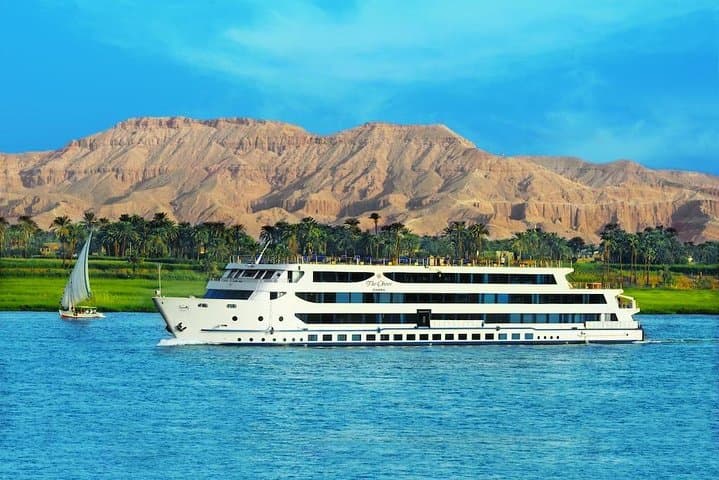
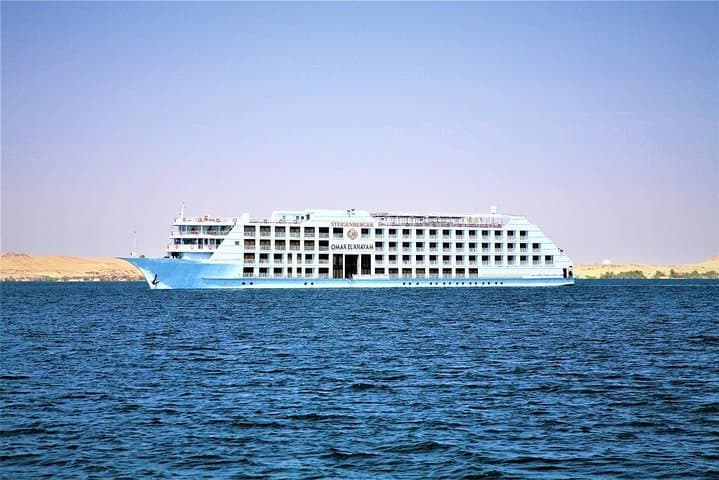
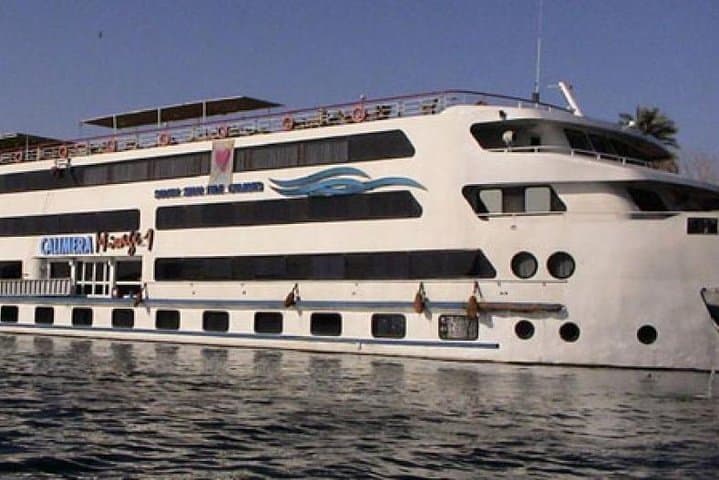
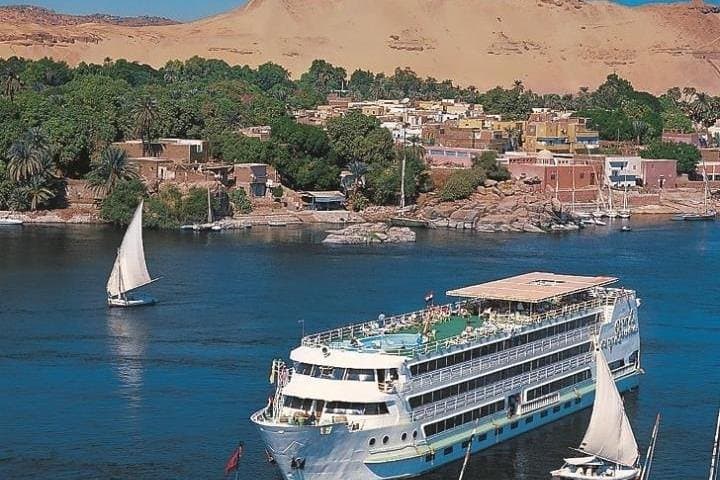
The deck smells of warm wood and diesel as the Nile drifts by: fields of sugarcane slide past, a cluster of palms leans toward the water, and fishermen in feluccas tack against a slow current that seems intent on carrying you downstream. Morning light skims temple pylons; evenings set the desert cliffs alight.
The deck smells of warm wood and diesel as the Nile drifts by: fields of sugarcane slide past, a cluster of palms leans toward the water, and fishermen in feluccas tack against a slow current that seems intent on carrying you downstream. Morning light skims temple pylons; evenings set the desert cliffs alight.
This short luxury cruise links two of Egypt's great river cities and threads a corridor of pharaonic history. Expect stops or close views of sites tied to New Kingdom power—the Valley of the Kings and the temples of Luxor and Karnak on the upstream end, with Philae, the Aswan High Dam, and the monumental Abu Simbel accessed by road on the southern flank. Geologically the river carves a green ribbon through Precambrian and Phanerozoic bedrock; culturally the banks alternate between small farming villages and layers of layered archaeological time.
Practical rhythm: days are for guided site visits and gentle cruising; nights are for onboard meals and short walks in river towns. Prepare for early starts (Abu Simbel is a long transfer), strong sun at midday, and uneven stone surfaces at temple entrances. Bring durable walking shoes, a wide-brim hat, and cash for local markets and tips. Hydrate and move slowly onshore—heat and cobbles make mornings the best time for temple photography.
Onboard comfort masks a deceptively active itinerary: you trade strenuous hiking for concentrated cultural immersion, punctuated by sunsets over a river that still insists on shaping lives along its banks.