THE ADVENTURE COLLECTIVE® · Independent discovery and booking for outdoor travel

Float downstream from Luxor to Aswan on a compact 2-night Nile cruise that links Ptolemaic temples, granite quarries and quiet river scenery. This short voyage delivers concentrated cultural stops and easy nights aboard a comfortable vessel.
Float downstream from Luxor to Aswan on a compact 2-night Nile cruise that links Ptolemaic temples, granite quarries and quiet river scenery. This short voyage delivers concentrated cultural stops and easy nights aboard a comfortable vessel.
You step onto a low-slung dahabiya as the city of Luxor slips past—mud-brick houses, palm groves, and the distant pylons of Karnak. The Nile moves with a patient insistence, carrying the boat and its small crowd downstream where temples and quarries punctuate the riverbanks like chapters in an open-air history book.
Verified experiences and guided adventures in the surrounding area.
You step onto a low-slung dahabiya as the city of Luxor slips past—mud-brick houses, palm groves, and the distant pylons of Karnak. The Nile moves with a patient insistence, carrying the boat and its small crowd downstream where temples and quarries punctuate the riverbanks like chapters in an open-air history book.
This short cruise threads together landscapes shaped by the Nile’s floodplain and Egypt’s geology: fertile silt flats give way to sandstone escarpments and the pink granite of Aswan’s quarries. Culture is ever-present—boatmen hum, temple stones hold hieroglyphs of pharaohs and gods, and market towns still trade in spices and dates the way they have for millennia.
Expect daytime shore visits to sites such as Edfu and Kom Ombo (classical Ptolemaic and Pharaonic temples) and a night approach to Aswan where the river widens and the city lights sit against granite islands. Guides explain religious rituals, construction techniques and the Nile’s role in ancient and modern life.
Practical guidance: pack light but include sun protection and a warm layer for cool early-morning crossings. Comfortable walking shoes are essential for uneven temple pavements. Bring local currency for tips and small purchases; itineraries often include guided land-side stops and short drives.
A 2-night cruise is compact—balanced for travelers who want concentrated cultural immersion without a long voyage. It’s ideal for history-minded travelers who prefer measured movement: the river leads, the temples wait, and the boat provides a quiet, mobile camp between them.
easy.
2–3 days.
Low fitness required for cruising; moderate fitness helpful for walking on uneven temple terraces and short onshore treks.
Most short cruises include stops at temples like Edfu and Kom Ombo between Luxor and Aswan, with onboard time to approach Aswan and optional visits there; exact stops vary by operator.
Many nationalities require a visa for Egypt; some can obtain it on arrival or online (e-Visa) before travel—check current Egyptian consulate guidance well ahead of your trip.
The boat itself is generally accessible, but temple grounds and shore landings involve steps and uneven terrain; discuss mobility needs with the operator before booking.
In most package cruises basic meals are included, but premium beverages, special meals, and some shore-entry fees may be extra—confirm inclusions when booking.
The Nile corridor between Luxor and Aswan was the political and religious backbone of ancient Egypt; many temples reflect shifts from Pharaonic to Ptolemaic and Roman influence.
Riverbank development and tourism foot traffic affect fragile temple complexes; use marked paths, avoid touching reliefs, and support local guides who follow conservation practices.
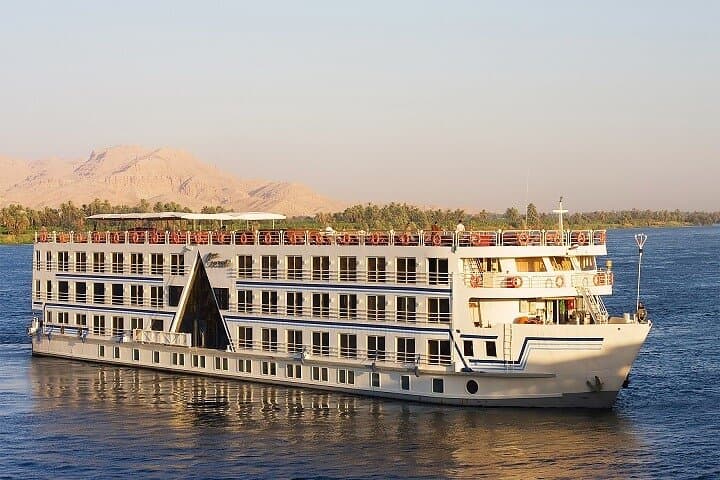
You step onto a low-slung dahabiya as the city of Luxor slips past—mud-brick houses, palm groves, and the distant pylons of Karnak. The Nile moves with a patient insistence, carrying the boat and its small crowd downstream where temples and quarries punctuate the riverbanks like chapters in an open-air history book.
You step onto a low-slung dahabiya as the city of Luxor slips past—mud-brick houses, palm groves, and the distant pylons of Karnak. The Nile moves with a patient insistence, carrying the boat and its small crowd downstream where temples and quarries punctuate the riverbanks like chapters in an open-air history book.
This short cruise threads together landscapes shaped by the Nile’s floodplain and Egypt’s geology: fertile silt flats give way to sandstone escarpments and the pink granite of Aswan’s quarries. Culture is ever-present—boatmen hum, temple stones hold hieroglyphs of pharaohs and gods, and market towns still trade in spices and dates the way they have for millennia.
Expect daytime shore visits to sites such as Edfu and Kom Ombo (classical Ptolemaic and Pharaonic temples) and a night approach to Aswan where the river widens and the city lights sit against granite islands. Guides explain religious rituals, construction techniques and the Nile’s role in ancient and modern life.
Practical guidance: pack light but include sun protection and a warm layer for cool early-morning crossings. Comfortable walking shoes are essential for uneven temple pavements. Bring local currency for tips and small purchases; itineraries often include guided land-side stops and short drives.
A 2-night cruise is compact—balanced for travelers who want concentrated cultural immersion without a long voyage. It’s ideal for history-minded travelers who prefer measured movement: the river leads, the temples wait, and the boat provides a quiet, mobile camp between them.