THE ADVENTURE COLLECTIVE® · Independent discovery and booking for outdoor travel

Journey from Luxor to the monumental temples of Aswan and Abu Simbel on a two‑day guided tour. Early starts, long transfers and unforgettable sunrise façades at Abu Simbel make this a high‑value cultural excursion.
Journey from Luxor to the monumental temples of Aswan and Abu Simbel on a two‑day guided tour. Early starts, long transfers and unforgettable sunrise façades at Abu Simbel make this a high‑value cultural excursion.
Dawn arrives over the Nile as the minivan slips away from Luxor, the river a dark ribbon daring you south. On this two‑day route you ride the slow spine of Egypt, passing farmland, desert shoulders and the occasional village where children wave from the road. By midday you're at Edfu’s Temple of Horus, its granite walls still gripping the myths of pharaohs; later the double sanctuaries of Kom Ombo reveal Ptolemaic precision and a hint of Roman additions. The High Dam looms — a modern engineering jawline against the river — before you overnight in Aswan and set out pre‑dawn for Abu Simbel’s sandstone colossi.
Verified experiences and guided adventures in the surrounding area.
Operated by Charming Egypt Tours · Luxor, Luxor Governorate
Dawn arrives over the Nile as the minivan slips away from Luxor, the river a dark ribbon daring you south. On this two‑day route you ride the slow spine of Egypt, passing farmland, desert shoulders and the occasional village where children wave from the road. By midday you're at Edfu’s Temple of Horus, its granite walls still gripping the myths of pharaohs; later the double sanctuaries of Kom Ombo reveal Ptolemaic precision and a hint of Roman additions. The High Dam looms — a modern engineering jawline against the river — before you overnight in Aswan and set out pre‑dawn for Abu Simbel’s sandstone colossi.
The area layers Pharaonic ritual architecture over millennia of Nile engineering. Abu Simbel’s relocation in the 1960s saved Ramses II’s temple from the rising waters created by the High Dam — a feat of archaeology and international cooperation. Geology is obvious: Nubian sandstone carved into façades that age into warm reds at sunrise, while the Nile’s pull shaped local agriculture and settlement patterns.
Practical takeaways: expect long transfers (Luxor→Aswan ~3–4 hours by road segments), early starts (pickup before 4:00 AM for Abu Simbel), and walking on uneven temple plinths. Pack water, sun protection and comfortable shoes; prepare for security checks and separate entrance fees. The trip suits travelers who want concentrated cultural history with the convenience of guided logistics — it’s less a strenuous trek than a paced cultural expedition along the river’s southern edge.
easy.
2 days.
Suitable for travelers of average mobility; requires walking on uneven ancient masonry and enduring long vehicle transfers.
No; entrance fees are typically excluded. Bring local currency or check card availability for each site.
The road transfer is roughly 3 hours each way; the itinerary schedules an early morning departure to make the most of the visit.
Yes — the tour notes infants may need to sit on laps; check with the operator about child seats and pacing for young children.
Yes — the return can be to your Aswan hotel or Aswan Airport; confirm your preferred drop‑off when booking.
The Aswan High Dam (completed 1970) reshaped the Nile and prompted the UNESCO‑led relocation of Abu Simbel to prevent inundation.
Visitor flow is managed at key temples; stay on marked paths, avoid touching reliefs and support local guides to minimize impact.
Charming Egypt Tours operates guided outdoor trips and adventures with an emphasis on safety, stewardship, and memorable experiences.
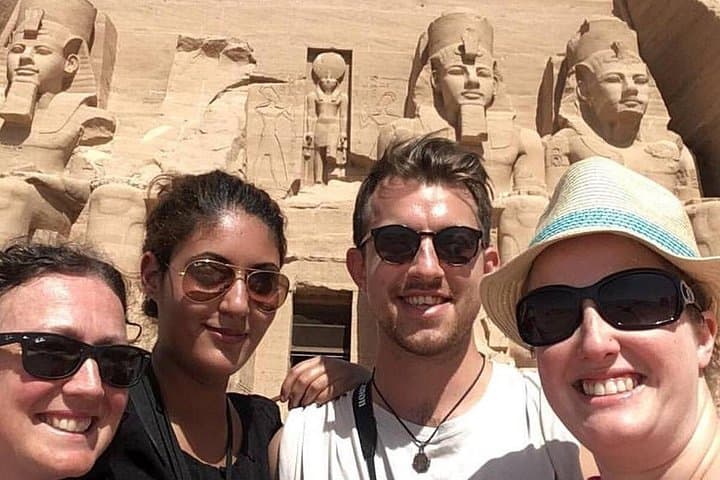
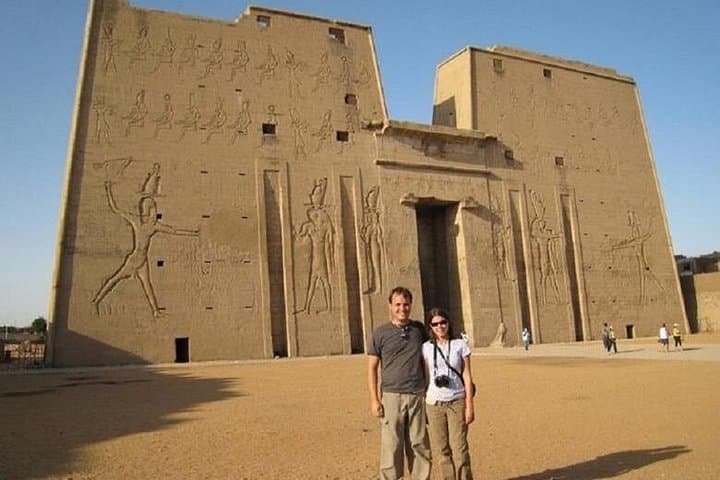
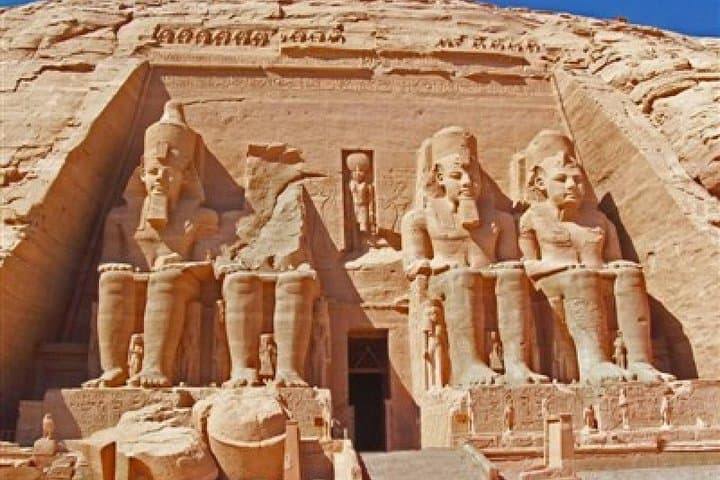
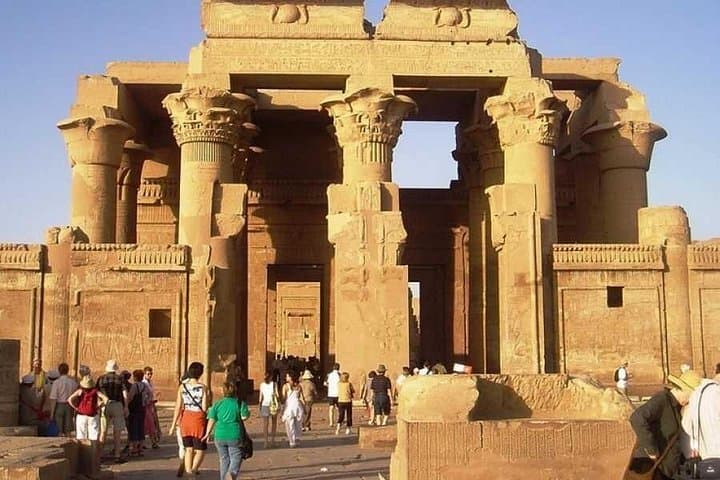
Dawn arrives over the Nile as the minivan slips away from Luxor, the river a dark ribbon daring you south. On this two‑day route you ride the slow spine of Egypt, passing farmland, desert shoulders and the occasional village where children wave from the road. By midday you're at Edfu’s Temple of Horus, its granite walls still gripping the myths of pharaohs; later the double sanctuaries of Kom Ombo reveal Ptolemaic precision and a hint of Roman additions. The High Dam looms — a modern engineering jawline against the river — before you overnight in Aswan and set out pre‑dawn for Abu Simbel’s sandstone colossi.
Dawn arrives over the Nile as the minivan slips away from Luxor, the river a dark ribbon daring you south. On this two‑day route you ride the slow spine of Egypt, passing farmland, desert shoulders and the occasional village where children wave from the road. By midday you're at Edfu’s Temple of Horus, its granite walls still gripping the myths of pharaohs; later the double sanctuaries of Kom Ombo reveal Ptolemaic precision and a hint of Roman additions. The High Dam looms — a modern engineering jawline against the river — before you overnight in Aswan and set out pre‑dawn for Abu Simbel’s sandstone colossi.
The area layers Pharaonic ritual architecture over millennia of Nile engineering. Abu Simbel’s relocation in the 1960s saved Ramses II’s temple from the rising waters created by the High Dam — a feat of archaeology and international cooperation. Geology is obvious: Nubian sandstone carved into façades that age into warm reds at sunrise, while the Nile’s pull shaped local agriculture and settlement patterns.
Practical takeaways: expect long transfers (Luxor→Aswan ~3–4 hours by road segments), early starts (pickup before 4:00 AM for Abu Simbel), and walking on uneven temple plinths. Pack water, sun protection and comfortable shoes; prepare for security checks and separate entrance fees. The trip suits travelers who want concentrated cultural history with the convenience of guided logistics — it’s less a strenuous trek than a paced cultural expedition along the river’s southern edge.