THE ADVENTURE COLLECTIVE® · Independent discovery and booking for outdoor travel

A compact two-day circuit from Luxor to Abu Simbel and Aswan that folds Ptolemaic temples, an island sanctuary and the relocated Abu Simbel complex into one brisk cultural adventure. Ideal for travelers willing to trade long drives for front-row access to Egypt’s southern monuments.
A compact two-day circuit from Luxor to Abu Simbel and Aswan that folds Ptolemaic temples, an island sanctuary and the relocated Abu Simbel complex into one brisk cultural adventure. Ideal for travelers willing to trade long drives for front-row access to Egypt’s southern monuments.
Morning light breaks over the Nile as a private minivan threads south from Luxor, the river daring you forward toward the low desert and monumental stone. By midday the air smells of dust and spices; temple walls rise from sand and river valleys, their carved faces fixing a quiet, ancient stare.
Verified experiences and guided adventures in the surrounding area.
Operated by Special trips · Luxor, Luxor Governorate
Morning light breaks over the Nile as a private minivan threads south from Luxor, the river daring you forward toward the low desert and monumental stone. By midday the air smells of dust and spices; temple walls rise from sand and river valleys, their carved faces fixing a quiet, ancient stare.
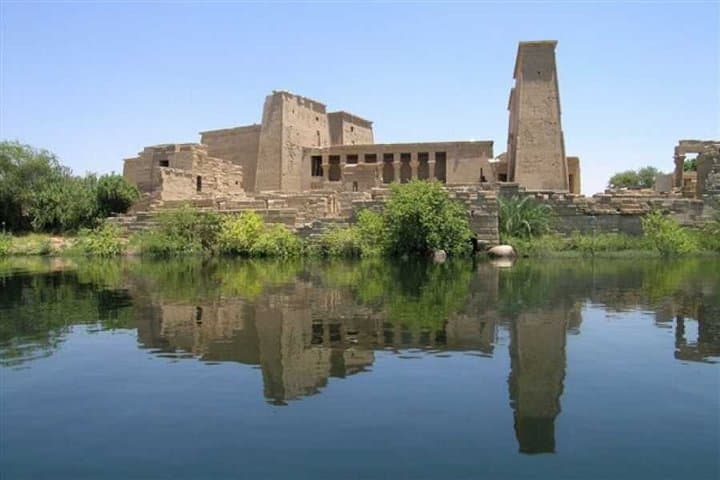
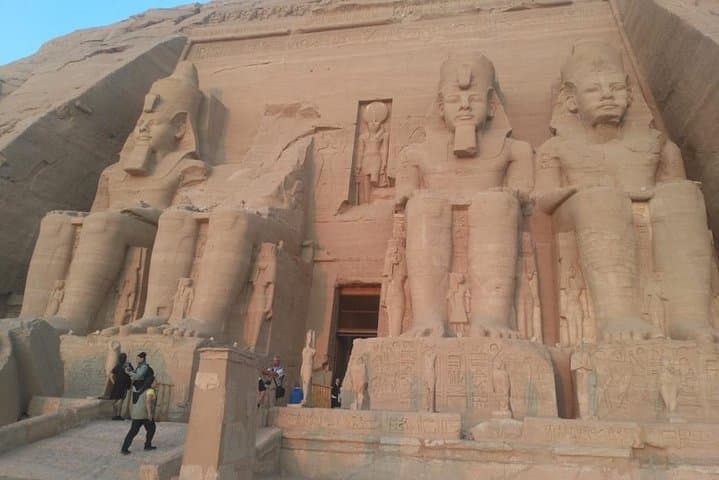
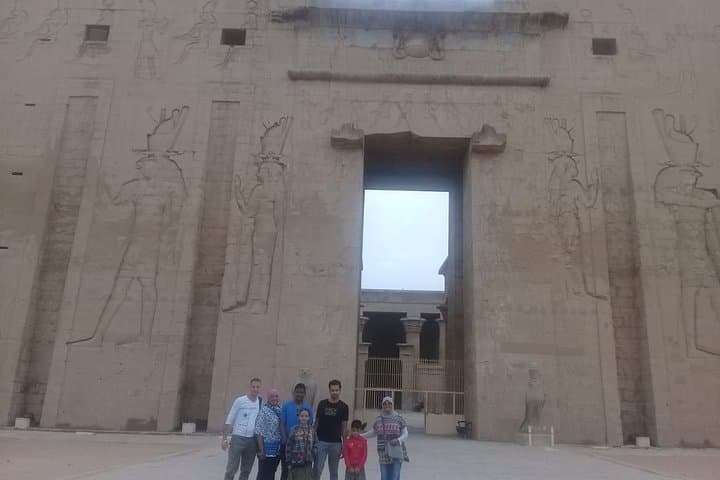
This two-day, one-night route follows Egypt’s long human story: Ptolemaic reliefs at Edfu, Kom Ombo’s unusual double temple, the island sanctuary of Philae, and the mid-20th-century engineering of the Aswan High Dam. Geologically the corridor is river plain and Nubian sandstone; historically it’s one of Egypt’s most active cultural frontiers, where Ramses II carved Abu Simbel into a cliff and modern engineers later moved it block by block to save it from Lake Nasser.
Culturally, expect Nubian markets in Aswan, felucca sails slipping like quiet punctuation on the Nile, and layered layers of Pharaonic, Greco-Roman and modern Egyptian life. The trip balances long, scenic drives with short, manageable walks across temple precincts and boat transfers to island sites.
Practical guidance: start early (pickups around 5–7am depending on section), bring sun protection and stable walking shoes for uneven stone floors, and carry cash for local stalls. The overnight stay is a standard Aswan hotel on B&B; plan for an early 5:00am departure to Abu Simbel on day two. Expect minimal technical difficulty but significant cultural payoff—this is a trip for travelers comfortable with long drives who want concentrated access to Egypt’s southern monuments.
easy.
2 days, 1 night.
Suitable for travelers in average fitness—includes short walks across temple sites and prolonged sitting during drives.
The transfer is about 3 hours each way by private vehicle; departures typically begin before sunrise to maximize time at the site.
This itinerary lists sightseeing as included per the provider—confirm with the operator whether specific temple entrance fees and photography permits are covered when booking.
Yes—physical demands are low, but long drives and early starts mean it’s best for children who tolerate travel and early wake-ups.
The tour notes private transfers and says time changes are available on request—confirm any custom timing or additional stops with the operator before booking.
The Abu Simbel temples were carved under Ramses II (c.1270 BCE) and were relocated in the 1960s to prevent submersion when the Aswan High Dam created Lake Nasser.
Large-site conservation and controlled visitor flows protect delicate reliefs; travelers should avoid touching carvings and support local guides and community-run crafts to spread tourism benefits.
Special trips operates guided outdoor trips and adventures with an emphasis on safety, stewardship, and memorable experiences.
Morning light breaks over the Nile as a private minivan threads south from Luxor, the river daring you forward toward the low desert and monumental stone. By midday the air smells of dust and spices; temple walls rise from sand and river valleys, their carved faces fixing a quiet, ancient stare.
Morning light breaks over the Nile as a private minivan threads south from Luxor, the river daring you forward toward the low desert and monumental stone. By midday the air smells of dust and spices; temple walls rise from sand and river valleys, their carved faces fixing a quiet, ancient stare.
This two-day, one-night route follows Egypt’s long human story: Ptolemaic reliefs at Edfu, Kom Ombo’s unusual double temple, the island sanctuary of Philae, and the mid-20th-century engineering of the Aswan High Dam. Geologically the corridor is river plain and Nubian sandstone; historically it’s one of Egypt’s most active cultural frontiers, where Ramses II carved Abu Simbel into a cliff and modern engineers later moved it block by block to save it from Lake Nasser.
Culturally, expect Nubian markets in Aswan, felucca sails slipping like quiet punctuation on the Nile, and layered layers of Pharaonic, Greco-Roman and modern Egyptian life. The trip balances long, scenic drives with short, manageable walks across temple precincts and boat transfers to island sites.
Practical guidance: start early (pickups around 5–7am depending on section), bring sun protection and stable walking shoes for uneven stone floors, and carry cash for local stalls. The overnight stay is a standard Aswan hotel on B&B; plan for an early 5:00am departure to Abu Simbel on day two. Expect minimal technical difficulty but significant cultural payoff—this is a trip for travelers comfortable with long drives who want concentrated access to Egypt’s southern monuments.