THE ADVENTURE COLLECTIVE® · Independent discovery and booking for outdoor travel

A compact 4‑day loop from Cairo that pairs an overnight train with a 2‑night Nile cruise, sunrise hot‑air ballooning over Luxor, and visits to the Valley of the Kings, Karnak and Abu Simbel. Expect early mornings, temple stairs and generous river views.
A compact 4‑day loop from Cairo that pairs an overnight train with a 2‑night Nile cruise, sunrise hot‑air ballooning over Luxor, and visits to the Valley of the Kings, Karnak and Abu Simbel. Expect early mornings, temple stairs and generous river views.
You step off an overnight train as the Nile light thins into gold; the river breathes around temple pylons and the hull of your 5‑star cruise waits with luggage stowed and crew ready. Over the next four days the landscape will alternate between river, cultivated floodplain and ochre desert, carrying you from Cairo’s bustle to Luxor’s pillared avenues and the monolithic face of Abu Simbel.
Verified experiences and guided adventures in the surrounding area.
Operated by very nice holiday · Cairo, Cairo Governorate
You step off an overnight train as the Nile light thins into gold; the river breathes around temple pylons and the hull of your 5‑star cruise waits with luggage stowed and crew ready. Over the next four days the landscape will alternate between river, cultivated floodplain and ochre desert, carrying you from Cairo’s bustle to Luxor’s pillared avenues and the monolithic face of Abu Simbel.
This itinerary threads New Kingdom history into the present: the Valley of the Kings—where pharaohs cut tombs into limestone—Hatshepsut’s terraced mortuary temple, the vast Karnak complex dedicated to Amun, and the twin Abu Simbel temples raised by Ramesses II and later moved when the Aswan High Dam created Lake Nasser. Geology is visible in the sandstone and limestone beds that these civilizations carved; culture is felt in market tea stops and the slow rhythm of feluccas on the water.
Practically, expect early starts (balloon flights at sunrise), guided walks across uneven temple floors, and several short transfers by coach and train (Cairo–Luxor and Aswan–Cairo are included). Bring sun protection, layered clothing for cool desert mornings and hot afternoons, and comfortable, closed-toe shoes for staircases and temple approaches. Carry local currency for small entrance fees, tips, and market purchases; remain on marked paths and avoid touching reliefs. Time your Abu Simbel visit for morning light and allow an easy evening on deck to watch the Nile push you downstream—this is travel that pairs archaeology with slow river travel and practical planning.
moderate.
4 days.
Light to moderate fitness: able to walk several hours over uneven ground, climb stairs and board small boats; not strenuous but requires stamina for early starts.
This itinerary lists a hot air balloon trip among inclusions, but confirm at booking since operators sometimes offer optional upgrades or weather‑dependent scheduling.
Package inclusions vary; some tours include major site fees while others do not—check your booking confirmation and bring cash or card for any onsite tickets and guide gratuities.
Overnight sleeper trains typically take about 9–11 hours depending on service and schedule; this itinerary uses train travel for overnight transit between Cairo, Luxor and Aswan.
The cruise portion is comfortable for most, but many temples have stairs and uneven surfaces—notify the operator about mobility needs and expect limited wheelchair access at some sites.
The route showcases New Kingdom power—pharaohs built monumental temples along the Nile to anchor religion and state—and includes Abu Simbel, famously relocated in the 1960s to save it from Lake Nasser.
Tourism concentrates wear on fragile reliefs and desert vegetation; stay on marked routes, avoid touching stonework, and minimize single‑use plastics to reduce impact.
very nice holiday operates guided outdoor trips and adventures with an emphasis on safety, stewardship, and memorable experiences.
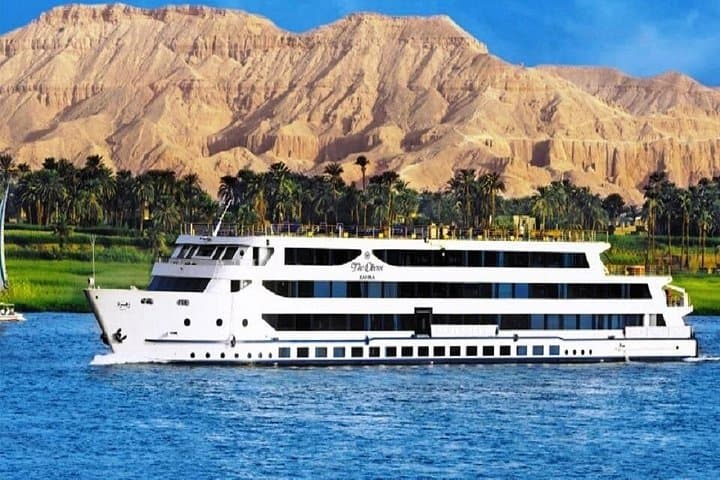

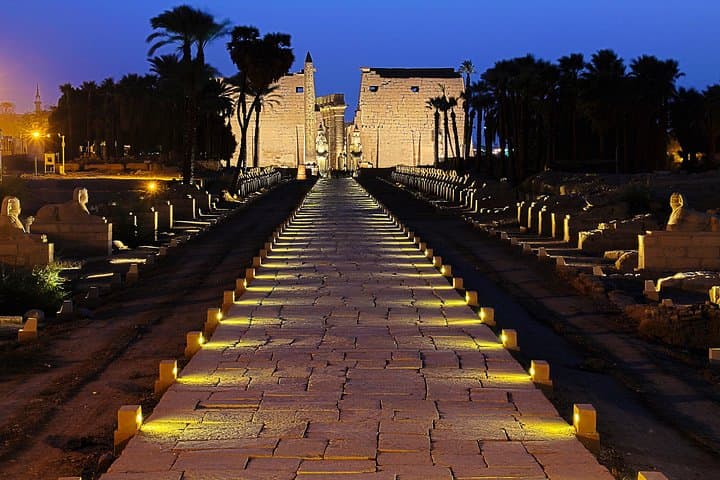
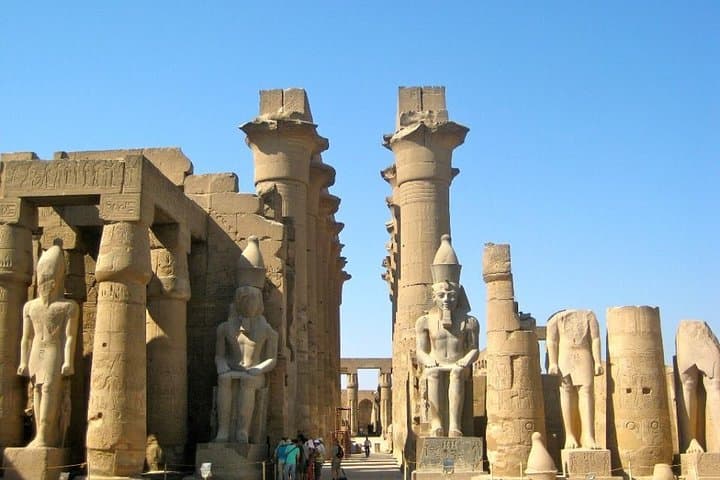
You step off an overnight train as the Nile light thins into gold; the river breathes around temple pylons and the hull of your 5‑star cruise waits with luggage stowed and crew ready. Over the next four days the landscape will alternate between river, cultivated floodplain and ochre desert, carrying you from Cairo’s bustle to Luxor’s pillared avenues and the monolithic face of Abu Simbel.
You step off an overnight train as the Nile light thins into gold; the river breathes around temple pylons and the hull of your 5‑star cruise waits with luggage stowed and crew ready. Over the next four days the landscape will alternate between river, cultivated floodplain and ochre desert, carrying you from Cairo’s bustle to Luxor’s pillared avenues and the monolithic face of Abu Simbel.
This itinerary threads New Kingdom history into the present: the Valley of the Kings—where pharaohs cut tombs into limestone—Hatshepsut’s terraced mortuary temple, the vast Karnak complex dedicated to Amun, and the twin Abu Simbel temples raised by Ramesses II and later moved when the Aswan High Dam created Lake Nasser. Geology is visible in the sandstone and limestone beds that these civilizations carved; culture is felt in market tea stops and the slow rhythm of feluccas on the water.
Practically, expect early starts (balloon flights at sunrise), guided walks across uneven temple floors, and several short transfers by coach and train (Cairo–Luxor and Aswan–Cairo are included). Bring sun protection, layered clothing for cool desert mornings and hot afternoons, and comfortable, closed-toe shoes for staircases and temple approaches. Carry local currency for small entrance fees, tips, and market purchases; remain on marked paths and avoid touching reliefs. Time your Abu Simbel visit for morning light and allow an easy evening on deck to watch the Nile push you downstream—this is travel that pairs archaeology with slow river travel and practical planning.