THE ADVENTURE COLLECTIVE® · Independent discovery and booking for outdoor travel

A compact, three-day sweep of Upper Egypt that pairs dawn visits to Abu Simbel with the riverfront temples of Aswan and the royal necropolises of Luxor. Expect early starts, short guided windows, and stunning, well-preserved ancient architecture.
A compact, three-day sweep of Upper Egypt that pairs dawn visits to Abu Simbel with the riverfront temples of Aswan and the royal necropolises of Luxor. Expect early starts, short guided windows, and stunning, well-preserved ancient architecture.
Arrive at dawn to the low, honeyed light of the Nile and the sound of engines shifting as boats push off. In Aswan the air smells of river mud and spice; farther south, Abu Simbel rises from the desert like a carved memory, stone faces fixed toward the sun.
Verified experiences and guided adventures in the surrounding area.
Operated by Deluxe Travel · Aswan, Aswan Governorate
Arrive at dawn to the low, honeyed light of the Nile and the sound of engines shifting as boats push off. In Aswan the air smells of river mud and spice; farther south, Abu Simbel rises from the desert like a carved memory, stone faces fixed toward the sun.
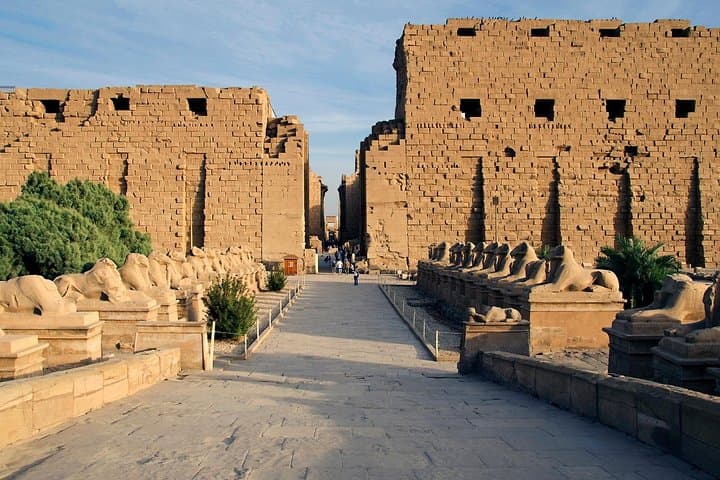
This compact three-day itinerary threads modern transport and ancient monuments: a morning drive to Abu Simbel, the High Dam and Philae on Agilkia Island, an overnight train or flight to Luxor, and full days on the West Bank — Valley of the Kings, Hatshepsut’s rock-cut mortuary temple, the Colossi of Memnon and the sprawling columns of Karnak.
Geology shifts along the route: Nubian granite and quartzite near Aswan give way to soft sandstone cliffs around Luxor, where millennia of Nile floods shaped the valley. Culturally, you’re moving through the heartland of ancient Thebes and the later modern engineering of the High Dam, whose reservoir, Lake Nasser, required the relocation of Abu Simbel in the 1960s.
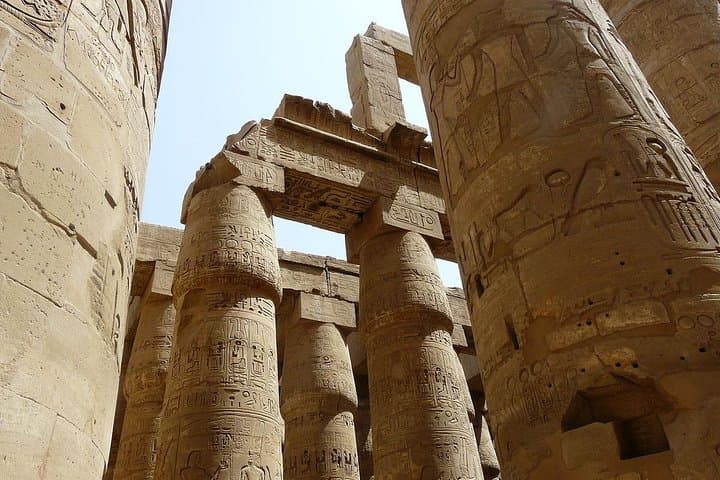
Practically, expect early starts, hot midday temperatures and a rhythm set by short guided windows at prime sites. Bring a breakfast box for dawn departures, carry reusable water and sun protection, and wear sturdy shoes for uneven tomb ramps and temple courtyards. Ask about entrance times to avoid crowds, keep passport copies handy for booking, and budget time to absorb inscriptions at Karnak — there’s a quiet payoff in the details.
This is a history-forward, logistics-smart trip: cinematic monuments framed by pragmatic travel choices.
moderate.
3 days.
Suitable for travelers in reasonable shape who can manage walking on uneven ground, stairs and short periods standing.
Yes, the tour can begin in Aswan or Luxor; confirm your preferred pickup point at booking so internal flights and transfers align.
Guided visits and admissions listed in the itinerary are included, but confirm specifics during booking for any optional extras.
Abu Simbel is roughly a three-hour drive each way from Aswan; the guided visit is usually about an hour with additional free time to explore.
Moderate fitness is recommended—expect walking on uneven surfaces, short climbs in tombs and the ability to handle early mornings and heat.
This route crosses ancient Thebes and the Nubian frontier; Abu Simbel was famously relocated in the 1960s to save it from Lake Nasser after the High Dam was built.
Large visitor numbers put wear on ancient stone—follow posted paths, avoid touching reliefs, and support certified local guides to minimize impact.
Deluxe Travel operates guided outdoor trips and adventures with an emphasis on safety, stewardship, and memorable experiences.
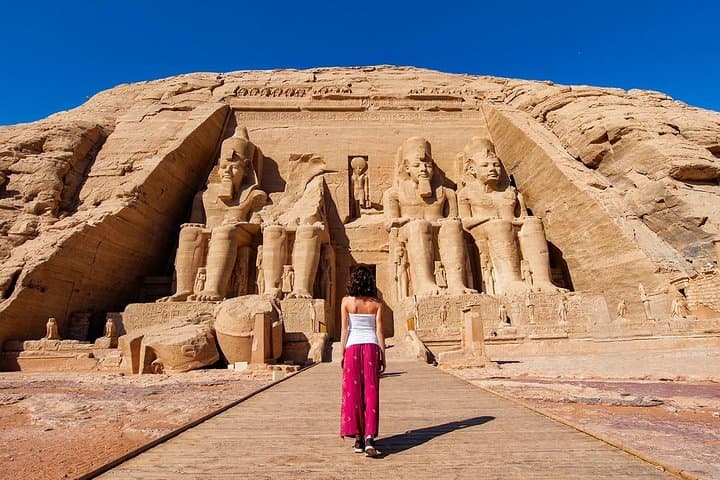
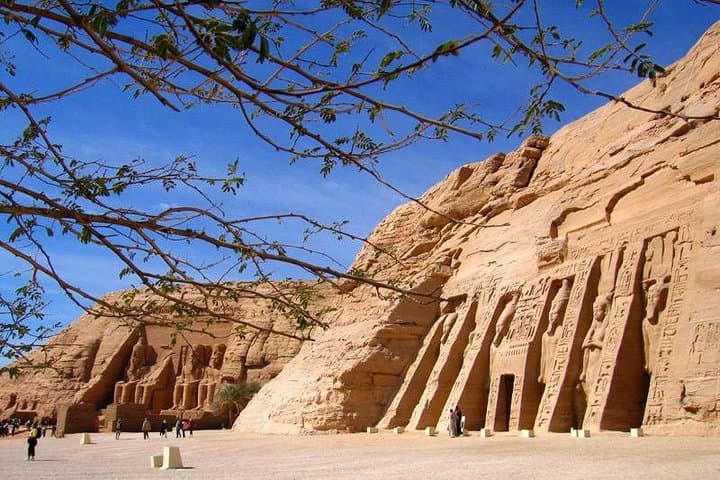
Arrive at dawn to the low, honeyed light of the Nile and the sound of engines shifting as boats push off. In Aswan the air smells of river mud and spice; farther south, Abu Simbel rises from the desert like a carved memory, stone faces fixed toward the sun.
Arrive at dawn to the low, honeyed light of the Nile and the sound of engines shifting as boats push off. In Aswan the air smells of river mud and spice; farther south, Abu Simbel rises from the desert like a carved memory, stone faces fixed toward the sun.
This compact three-day itinerary threads modern transport and ancient monuments: a morning drive to Abu Simbel, the High Dam and Philae on Agilkia Island, an overnight train or flight to Luxor, and full days on the West Bank — Valley of the Kings, Hatshepsut’s rock-cut mortuary temple, the Colossi of Memnon and the sprawling columns of Karnak.
Geology shifts along the route: Nubian granite and quartzite near Aswan give way to soft sandstone cliffs around Luxor, where millennia of Nile floods shaped the valley. Culturally, you’re moving through the heartland of ancient Thebes and the later modern engineering of the High Dam, whose reservoir, Lake Nasser, required the relocation of Abu Simbel in the 1960s.
Practically, expect early starts, hot midday temperatures and a rhythm set by short guided windows at prime sites. Bring a breakfast box for dawn departures, carry reusable water and sun protection, and wear sturdy shoes for uneven tomb ramps and temple courtyards. Ask about entrance times to avoid crowds, keep passport copies handy for booking, and budget time to absorb inscriptions at Karnak — there’s a quiet payoff in the details.
This is a history-forward, logistics-smart trip: cinematic monuments framed by pragmatic travel choices.