THE ADVENTURE COLLECTIVE® · Independent discovery and booking for outdoor travel

Sail a classic felucca from Luxor to Banana Island for a relaxed 2½-hour outing with island lunch or dinner. Watch peasants’ gardens and the Nile’s changing edges as the sun drops behind palms.
Sail a classic felucca from Luxor to Banana Island for a relaxed 2½-hour outing with island lunch or dinner. Watch peasants’ gardens and the Nile’s changing edges as the sun drops behind palms.
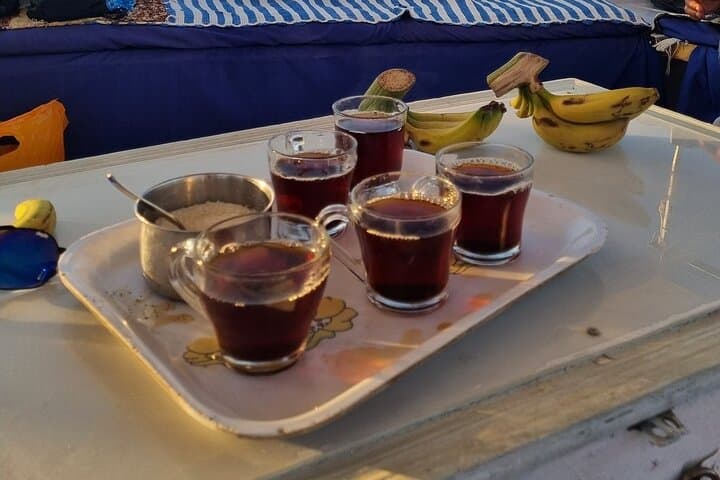
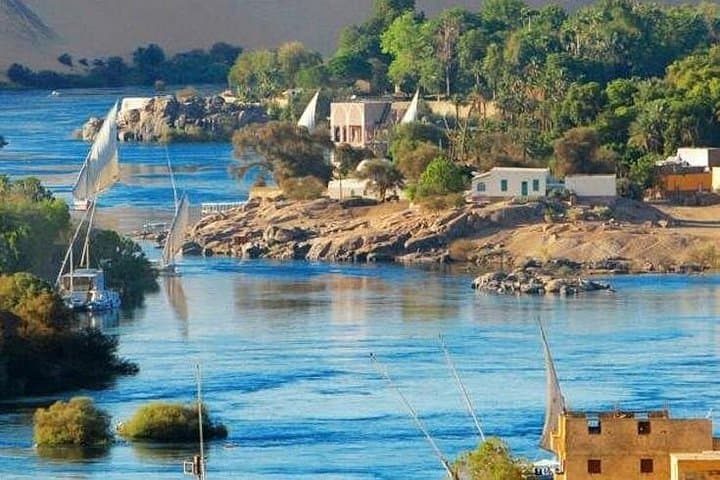
The felucca slips away from Luxor’s riverbank as the Nile sighs against the hull; sugarcane fields and low mud-brick houses slide by while the sail swells and guides you upriver toward Banana Island. Onboard, a steaming cup of Egyptian tea and the captain’s steady hand set the pace—unhurried, intimate, attuned to wind and current.
Verified experiences and guided adventures in the surrounding area.
Operated by Egypt Holiday Makers Travel · Luxor, Luxor Governorate
The felucca slips away from Luxor’s riverbank as the Nile sighs against the hull; sugarcane fields and low mud-brick houses slide by while the sail swells and guides you upriver toward Banana Island. Onboard, a steaming cup of Egyptian tea and the captain’s steady hand set the pace—unhurried, intimate, attuned to wind and current.
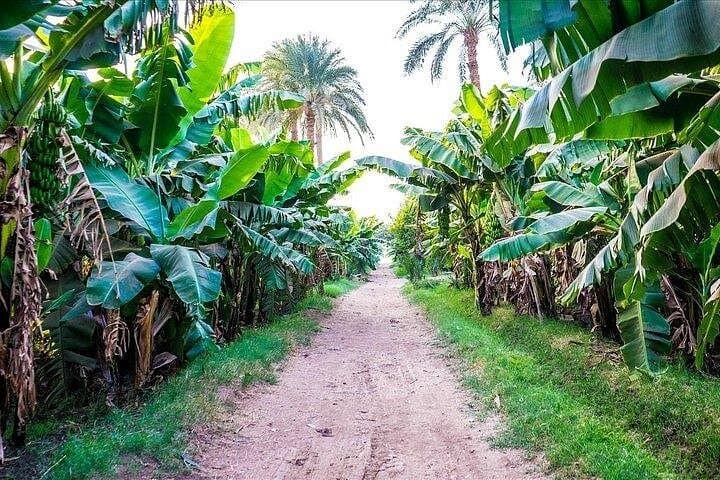
Banana Island (Geziret El-Mozabara to locals) has been part of the Nile’s shifting geography for centuries, shaped by seasonal floods and silt deposits that made small, fertile river isles ideal for gardens and grazing. Geologically simple—riverine alluvium atop older valley fill—the island offers a close-up of rural life: farmers tending plots, date palms and banana trees, and a handful of family-run restaurants that serve grilled fish and classical Egyptian mezze.
Culturally, the felucca is as local as it gets: an Egyptian sailing tradition that predates motorized boats and remains an everyday workhorse and leisure craft. Expect low-key conversation, the staccato flapping of the sail, and broad, luminous sunsets that silhouette Luxor’s skyline.
Practical notes: the experience runs about 2.5 hours with hotel pickup and return, light walking on soft paths, and a sit-down lunch or dinner at a simple island eatery. Wear non-slip shoes, bring sunscreen and a hat, and carry small change for drinks or tips. Evening winds cool quickly—pack a light layer. If you want photos, plan to arrive aboard the felucca with camera ready; the best light is last half-hour before sundown.
easy.
2–2.5 hours.
Suitable for most fitness levels; requires short, easy walks on soft ground and getting on/off a low boat
The full experience is about 2½ hours total—typically one hour sailing to the island, time for lunch or dinner, then a return sail at sunset.
Pickup and transport are listed as wheelchair accessible, but boarding a traditional felucca and walking on the island require mobility—check with the operator for individual accommodations.
A lunch or dinner at a local island restaurant is included; expect Egyptian home-style dishes such as grilled fish, rice, salads, and tea—vegetarian options are often available if requested in advance.
Tipping is customary for the captain, crew, and restaurant staff—carry small local-currency notes to tip for good service.
Feluccas have sailed the Nile for thousands of years as simple, wind-powered craft; river islands like Banana Island formed from annual silt deposits and long supported small agricultural communities.
Stick to marked paths, avoid littering, and minimize single-use plastics—the Nile’s small islands are ecologically sensitive and local restaurants rely on clean water and soil.
Egypt Holiday Makers Travel operates guided outdoor trips and adventures with an emphasis on safety, stewardship, and memorable experiences.
The felucca slips away from Luxor’s riverbank as the Nile sighs against the hull; sugarcane fields and low mud-brick houses slide by while the sail swells and guides you upriver toward Banana Island. Onboard, a steaming cup of Egyptian tea and the captain’s steady hand set the pace—unhurried, intimate, attuned to wind and current.
The felucca slips away from Luxor’s riverbank as the Nile sighs against the hull; sugarcane fields and low mud-brick houses slide by while the sail swells and guides you upriver toward Banana Island. Onboard, a steaming cup of Egyptian tea and the captain’s steady hand set the pace—unhurried, intimate, attuned to wind and current.
Banana Island (Geziret El-Mozabara to locals) has been part of the Nile’s shifting geography for centuries, shaped by seasonal floods and silt deposits that made small, fertile river isles ideal for gardens and grazing. Geologically simple—riverine alluvium atop older valley fill—the island offers a close-up of rural life: farmers tending plots, date palms and banana trees, and a handful of family-run restaurants that serve grilled fish and classical Egyptian mezze.
Culturally, the felucca is as local as it gets: an Egyptian sailing tradition that predates motorized boats and remains an everyday workhorse and leisure craft. Expect low-key conversation, the staccato flapping of the sail, and broad, luminous sunsets that silhouette Luxor’s skyline.
Practical notes: the experience runs about 2.5 hours with hotel pickup and return, light walking on soft paths, and a sit-down lunch or dinner at a simple island eatery. Wear non-slip shoes, bring sunscreen and a hat, and carry small change for drinks or tips. Evening winds cool quickly—pack a light layer. If you want photos, plan to arrive aboard the felucca with camera ready; the best light is last half-hour before sundown.