THE ADVENTURE COLLECTIVE® · Independent discovery and booking for outdoor travel

Rise before dawn to float above Luxor’s temples and the Nile, then spend the day with a private guide touring the Valley of the Kings, Hatshepsut’s temple, Karnak and Luxor Temple. This combo pairs a 45‑minute aerial perspective with in‑depth ground visits to Egypt’s ancient capital.
Rise before dawn to float above Luxor’s temples and the Nile, then spend the day with a private guide touring the Valley of the Kings, Hatshepsut’s temple, Karnak and Luxor Temple. This combo pairs a 45‑minute aerial perspective with in‑depth ground visits to Egypt’s ancient capital.
Dawn lifts off the Nile like a slow breath: a hot air balloon unfurls, then carries you above the river’s ribbon as light traces the sandstone ridges. From the basket the colonnades of Karnak look like a forest of stone; the Valley of the Kings slips into view as a stitched line of tomb entrances in pale rock. The balloon ride is quiet but assertive — the desert air nudges the craft and the landscape answers with geometry and age.
Verified experiences and guided adventures in the surrounding area.
Operated by Egypt Tours Travel · Luxor, Luxor Governorate
Dawn lifts off the Nile like a slow breath: a hot air balloon unfurls, then carries you above the river’s ribbon as light traces the sandstone ridges. From the basket the colonnades of Karnak look like a forest of stone; the Valley of the Kings slips into view as a stitched line of tomb entrances in pale rock. The balloon ride is quiet but assertive — the desert air nudges the craft and the landscape answers with geometry and age.
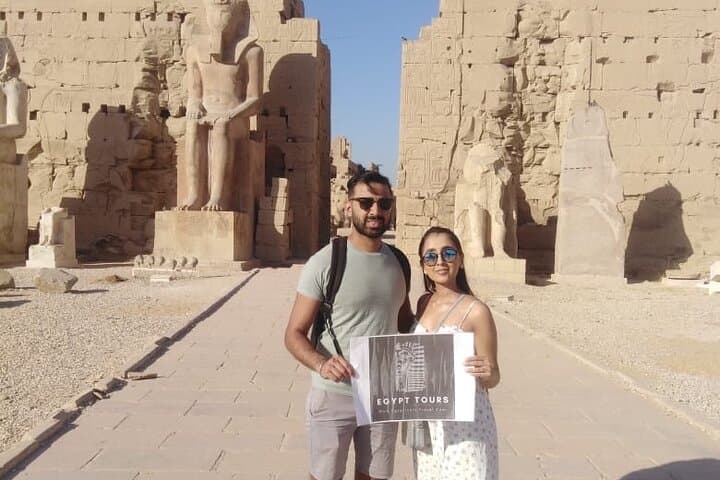
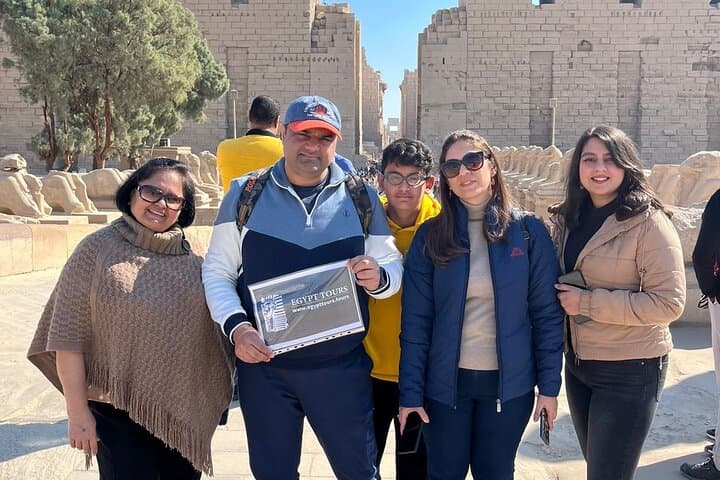
Luxor sits on the ruins of Thebes, a city that governed Upper Egypt for millennia. Geologically, the Nile carved a fertile corridor through limestone and sandstone, producing the cliffs that hold royal tombs on the West Bank. Culturally, the temples are civic theaters: processional avenues, carved reliefs, and obelisks that mark power and ritual. Local life still orbits the river — feluccas, fishermen, and agriculture paint a living foreground beneath the antiquities.
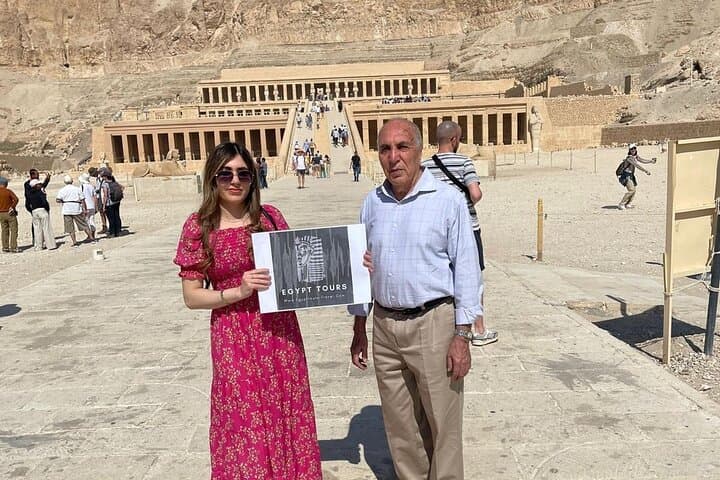
Practically: expect an early pickup, a 45-minute balloon flight, then a private car and motorboat to the West Bank for the Colossi of Memnon, Valley of the Kings, Hatshepsut’s mortuary temple, and Karnak/Luxor Temples on the East Bank. The day involves short walks, uneven steps in tombs, and exposed sun; bring layered sun protection, plenty of water, and small cash for site entry or tips. Balloon flights are weather-dependent and canceled in high winds, so plan the balloon for the first available morning of your stay. The combination of aerial perspective and ground-level archaeology makes for an efficient, memorable survey of ancient Egypt’s most visible chapters.
easy.
7–8 hours.
Light fitness required: you should be comfortable standing, walking short distances and climbing several flights of uneven stone steps.
Commercial balloon operators follow safety protocols and brief you before launch; flights are canceled in unsafe winds or poor weather to prioritize safety.
This tour includes transfers, the balloon flight, and a private guide; entrance fees to some tombs and temples are often paid on site—confirm with the operator before booking.
Pickups are typically before sunrise (often between 3:30–5:00 AM depending on season) to reach the launch site while winds are calm.
The balloon portion is generally not recommended for pregnant travelers and those with certain medical conditions; children may fly but check operator age policies and safety briefings.
Luxor sits on ancient Thebes, once capital of a powerful Egyptian kingdom; its temples and tombs span New Kingdom pharaohs and religious centers devoted to Amun-Ra.
High visitor numbers stress fragile painted tombs and temple reliefs — follow guides’ advice, avoid touching reliefs, and minimize plastic waste to reduce impact.
Egypt Tours Travel operates guided outdoor trips and adventures with an emphasis on safety, stewardship, and memorable experiences.
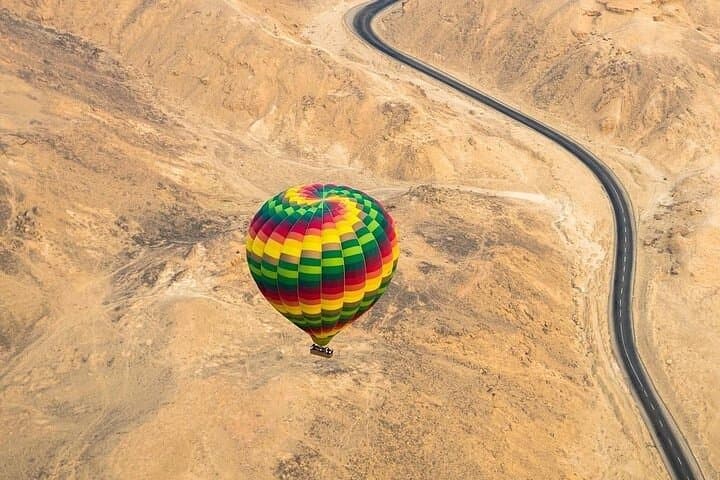
Dawn lifts off the Nile like a slow breath: a hot air balloon unfurls, then carries you above the river’s ribbon as light traces the sandstone ridges. From the basket the colonnades of Karnak look like a forest of stone; the Valley of the Kings slips into view as a stitched line of tomb entrances in pale rock. The balloon ride is quiet but assertive — the desert air nudges the craft and the landscape answers with geometry and age.
Dawn lifts off the Nile like a slow breath: a hot air balloon unfurls, then carries you above the river’s ribbon as light traces the sandstone ridges. From the basket the colonnades of Karnak look like a forest of stone; the Valley of the Kings slips into view as a stitched line of tomb entrances in pale rock. The balloon ride is quiet but assertive — the desert air nudges the craft and the landscape answers with geometry and age.
Luxor sits on the ruins of Thebes, a city that governed Upper Egypt for millennia. Geologically, the Nile carved a fertile corridor through limestone and sandstone, producing the cliffs that hold royal tombs on the West Bank. Culturally, the temples are civic theaters: processional avenues, carved reliefs, and obelisks that mark power and ritual. Local life still orbits the river — feluccas, fishermen, and agriculture paint a living foreground beneath the antiquities.
Practically: expect an early pickup, a 45-minute balloon flight, then a private car and motorboat to the West Bank for the Colossi of Memnon, Valley of the Kings, Hatshepsut’s mortuary temple, and Karnak/Luxor Temples on the East Bank. The day involves short walks, uneven steps in tombs, and exposed sun; bring layered sun protection, plenty of water, and small cash for site entry or tips. Balloon flights are weather-dependent and canceled in high winds, so plan the balloon for the first available morning of your stay. The combination of aerial perspective and ground-level archaeology makes for an efficient, memorable survey of ancient Egypt’s most visible chapters.