THE ADVENTURE COLLECTIVE® · Independent discovery and booking for outdoor travel

Early-morning balloons over Luxor, sprawling temple complexes and a peaceful felucca at sunset—this overnight from Hurghada pairs aerial spectacle with riverside calm. Read on for what to expect and how to prepare.
Early-morning balloons over Luxor, sprawling temple complexes and a peaceful felucca at sunset—this overnight from Hurghada pairs aerial spectacle with riverside calm. Read on for what to expect and how to prepare.
You wake before dawn in a hotel transfer van, the Red Sea coast shrinking in the headlights as the road pushes toward the Nile valley. By first light the hot-air balloons dot Luxor's sky; the city below—temple columns, scattered palms and the rust-colored sweep of the West Bank—unfurls like a living map.
Verified experiences and guided adventures in the surrounding area.
Operated by Nice tours · Luxor, Luxor Governorate
You wake before dawn in a hotel transfer van, the Red Sea coast shrinking in the headlights as the road pushes toward the Nile valley. By first light the hot-air balloons dot Luxor's sky; the city below—temple columns, scattered palms and the rust-colored sweep of the West Bank—unfurls like a living map.
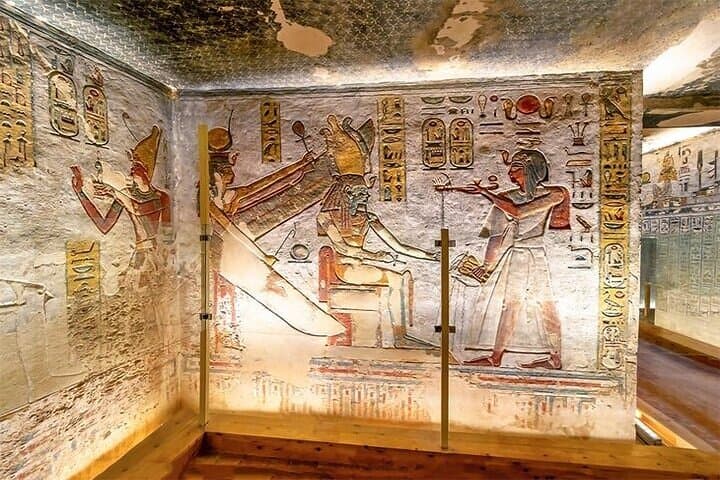
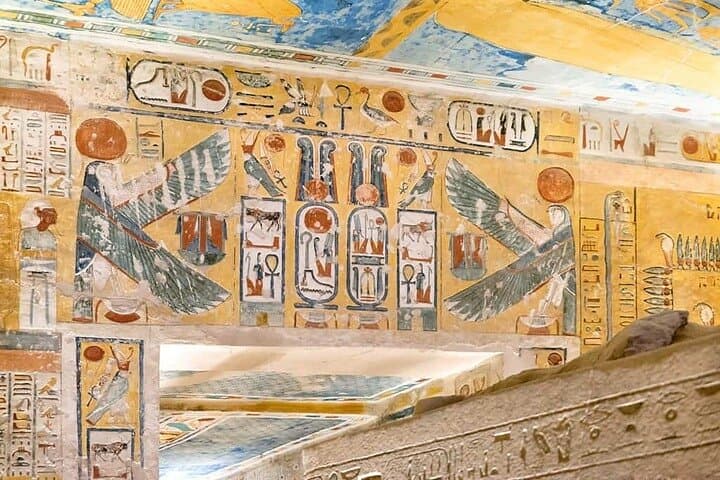
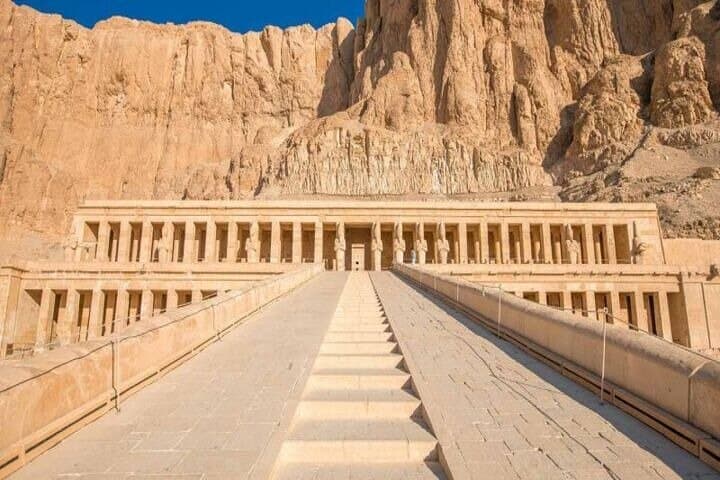
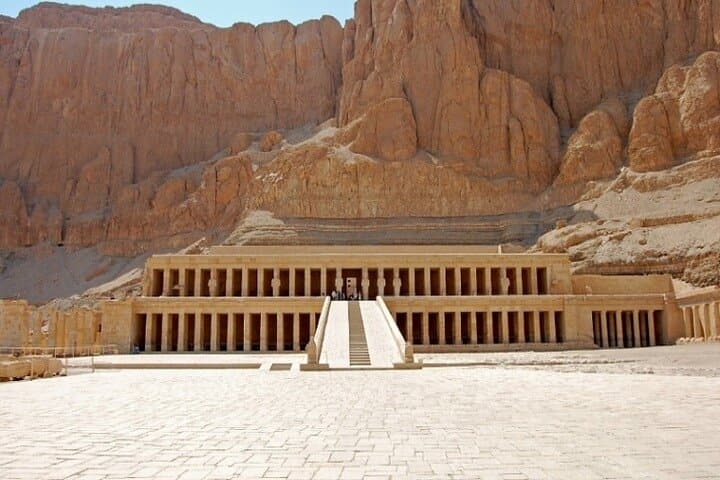
Luxor sits on the site of ancient Thebes, the political and religious heart of Pharaoh-era Egypt. Geology is simple but dramatic: the Nile's floodplain carves a green ribbon through arid limestone cliffs that hold the Valley of the Kings. On this two-day loop you'll move through eras—Karnak's hypostyle halls, Hatshepsut's austere terraces and the painted tombs cut into rock—while local guides sketch the rituals, tomb-building techniques and priestly power that shaped the city.
Evening brings a different tempo: a felucca ride across the Nile as reeds and fishermen brush past, and a short camel ride through village tracks to observe daily life outside the archaeological zones. Practicalities matter: sunrise balloon flights require an early start and light jackets; site visits involve uneven stone and steps; the tour includes an overnight 4-star hotel in Luxor and air-conditioned transfers from Hurghada.
Plan for long walking days with frequent stops, carry sun protection and refillable water, and leave room in your schedule for museum time—small collections in Luxor reveal details lost among the ruins. The trip balances spectacle (balloons, temples) with the quiet work of seeing and moving through a landscape that still feels active and human.
moderate.
2 days.
Moderate fitness recommended: comfortable walking for several hours, ability to climb steps and stand during guided explanations
Pickup from Hurghada is very early—typically around 3:30–4:00 AM—to reach the launch site for pre-dawn inflation and sunrise lift-off.
The tour description notes guided visits but check whether specific tomb entries (which sometimes carry separate fees) are covered; confirm with the operator before travel.
Felucca rides are generally calm and family-friendly, but supervise children near the water and check safety arrangements provided by the operator.
Yes—this overnight itinerary includes hotel accommodation and scheduled rest between the afternoon Karnak visit, evening felucca and the next morning's balloon and West Bank tour.
Luxor occupies ancient Thebes, the New Kingdom capital where pharaohs built grand mortuary temples and tombs; the West Bank served as the necropolis for royal burials.
High visitation stresses fragile tomb pigments and sandstone; follow marked paths, avoid flash photography where forbidden, and support licensed local guides and community-run services.
Nice tours operates guided outdoor trips and adventures with an emphasis on safety, stewardship, and memorable experiences.
You wake before dawn in a hotel transfer van, the Red Sea coast shrinking in the headlights as the road pushes toward the Nile valley. By first light the hot-air balloons dot Luxor's sky; the city below—temple columns, scattered palms and the rust-colored sweep of the West Bank—unfurls like a living map.
You wake before dawn in a hotel transfer van, the Red Sea coast shrinking in the headlights as the road pushes toward the Nile valley. By first light the hot-air balloons dot Luxor's sky; the city below—temple columns, scattered palms and the rust-colored sweep of the West Bank—unfurls like a living map.
Luxor sits on the site of ancient Thebes, the political and religious heart of Pharaoh-era Egypt. Geology is simple but dramatic: the Nile's floodplain carves a green ribbon through arid limestone cliffs that hold the Valley of the Kings. On this two-day loop you'll move through eras—Karnak's hypostyle halls, Hatshepsut's austere terraces and the painted tombs cut into rock—while local guides sketch the rituals, tomb-building techniques and priestly power that shaped the city.
Evening brings a different tempo: a felucca ride across the Nile as reeds and fishermen brush past, and a short camel ride through village tracks to observe daily life outside the archaeological zones. Practicalities matter: sunrise balloon flights require an early start and light jackets; site visits involve uneven stone and steps; the tour includes an overnight 4-star hotel in Luxor and air-conditioned transfers from Hurghada.
Plan for long walking days with frequent stops, carry sun protection and refillable water, and leave room in your schedule for museum time—small collections in Luxor reveal details lost among the ruins. The trip balances spectacle (balloons, temples) with the quiet work of seeing and moving through a landscape that still feels active and human.