THE ADVENTURE COLLECTIVE® · Independent discovery and booking for outdoor travel

Float over Luxor at sunrise and witness the Nile and ancient temples from a balloon, then return to Cairo for the iconic Giza Sound and Light show. This two-day itinerary pairs aerial perspective with archaeological depth for travelers tight on time.
Float over Luxor at sunrise and witness the Nile and ancient temples from a balloon, then return to Cairo for the iconic Giza Sound and Light show. This two-day itinerary pairs aerial perspective with archaeological depth for travelers tight on time.
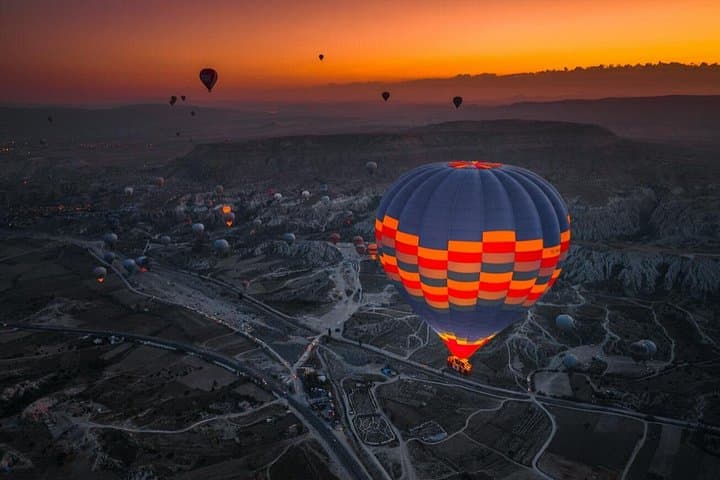
Before dawn the desert exhales cool air and the Nile reflects a pale, waking sky. You rise in Luxor as crews inflate colorful balloons; the basket tilts, the city shrinks, and the river becomes a ribbon below. From the gondola you watch temple pylons catch first light and pockets of palm groves trading shadow for gold.
Verified experiences and guided adventures in the surrounding area.
Operated by Egypt Sunny Tours · Luxor, Luxor Governorate
Before dawn the desert exhales cool air and the Nile reflects a pale, waking sky. You rise in Luxor as crews inflate colorful balloons; the basket tilts, the city shrinks, and the river becomes a ribbon below. From the gondola you watch temple pylons catch first light and pockets of palm groves trading shadow for gold.
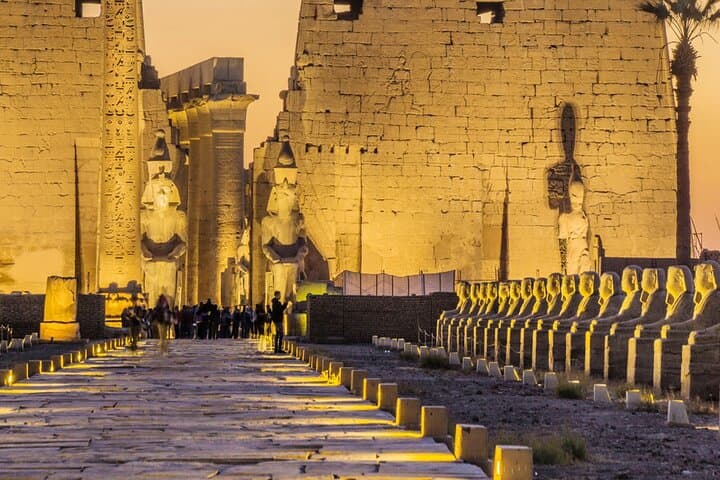
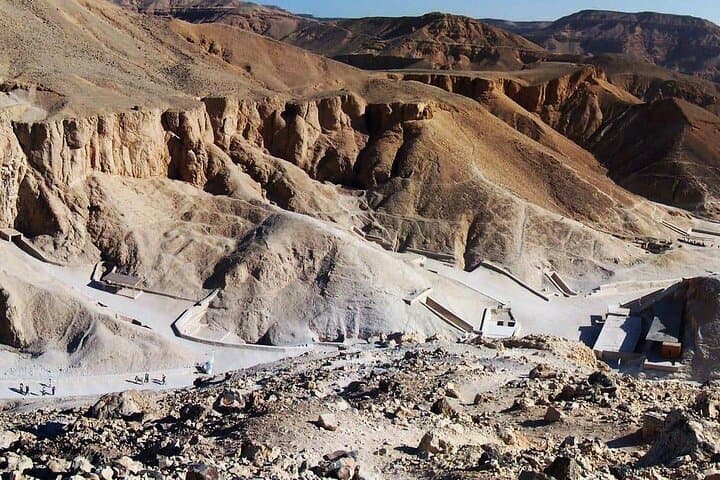
Luxor stands on the site of ancient Thebes, a city that grew around the cult of Amun-Re. The east bank’s Karnak and Luxor Temples record pharaohs’ victories in stone; across the Nile, the Valley of the Kings and Hatshepsut’s terraces speak to mortuary rites and monumental tomb-building carved into limestone escarpments. In Cairo, the Sound and Light show repackages millennia of history into narrative scenes against the Giza plateau, a modern spectacle layered atop ancient stones.
Practically: plan for early starts and modest walking on uneven, often sandy ground. Balloon flights last roughly 45–60 minutes and require light mobility to climb in and out of the basket. Temple visits involve stairs and exposed sun; carry water and sun protection and allow time for security and ticketing. Transportation between Cairo and Luxor is by a short domestic flight arranged in the itinerary; expect airport transfers and private guide services.
Bring comfortable shoes, layered clothing for cool mornings, and a small bag for camera gear — electronics handle low light and dust. Respect restricted areas in tombs, follow your guide’s instructions, and budget time to simply stand in the courtyards and let the scale of stone and sky refocus your sense of history.
moderate.
2 days (≈48 hours).
Suitable for travelers in average health who can walk 1–2 miles on uneven ground, climb stairs, and manage early starts
Typical flights last 45–60 minutes depending on wind conditions and the operator’s schedule.
The itinerary notes admissions for key sites like Karnak and the Valley of the Kings are included; confirm any optional tombs or special-entry chambers with your guide.
Infants can travel but must sit on laps during transfers; balloon operators may have minimum age or safety restrictions—check at booking.
Operators typically offer alternatives or rescheduling; if flying is impossible, expect ground-based sightseeing to be adjusted into the schedule.
Luxor sits on ancient Thebes, the political and religious capital during the Middle and New Kingdoms; its temples and tombs reflect centuries of pharaonic power.
High visitor numbers pressure fragile painted tomb surfaces and desert vegetation; stick to marked paths, avoid flash photography where prohibited, and follow guide instructions to limit impact.
Egypt Sunny Tours operates guided outdoor trips and adventures with an emphasis on safety, stewardship, and memorable experiences.
Before dawn the desert exhales cool air and the Nile reflects a pale, waking sky. You rise in Luxor as crews inflate colorful balloons; the basket tilts, the city shrinks, and the river becomes a ribbon below. From the gondola you watch temple pylons catch first light and pockets of palm groves trading shadow for gold.
Before dawn the desert exhales cool air and the Nile reflects a pale, waking sky. You rise in Luxor as crews inflate colorful balloons; the basket tilts, the city shrinks, and the river becomes a ribbon below. From the gondola you watch temple pylons catch first light and pockets of palm groves trading shadow for gold.
Luxor stands on the site of ancient Thebes, a city that grew around the cult of Amun-Re. The east bank’s Karnak and Luxor Temples record pharaohs’ victories in stone; across the Nile, the Valley of the Kings and Hatshepsut’s terraces speak to mortuary rites and monumental tomb-building carved into limestone escarpments. In Cairo, the Sound and Light show repackages millennia of history into narrative scenes against the Giza plateau, a modern spectacle layered atop ancient stones.
Practically: plan for early starts and modest walking on uneven, often sandy ground. Balloon flights last roughly 45–60 minutes and require light mobility to climb in and out of the basket. Temple visits involve stairs and exposed sun; carry water and sun protection and allow time for security and ticketing. Transportation between Cairo and Luxor is by a short domestic flight arranged in the itinerary; expect airport transfers and private guide services.
Bring comfortable shoes, layered clothing for cool mornings, and a small bag for camera gear — electronics handle low light and dust. Respect restricted areas in tombs, follow your guide’s instructions, and budget time to simply stand in the courtyards and let the scale of stone and sky refocus your sense of history.