THE ADVENTURE COLLECTIVE® · Independent discovery and booking for outdoor travel

Wander Luxor’s artisanal quarter with a local guide, visiting papyrus ateliers, stone workshops, and herb stalls. Learn to recognize authentic crafts, haggle politely, and leave with a personalized hieroglyph cartouche.
Wander Luxor’s artisanal quarter with a local guide, visiting papyrus ateliers, stone workshops, and herb stalls. Learn to recognize authentic crafts, haggle politely, and leave with a personalized hieroglyph cartouche.
You step out of the hotel into a slow-moving current of heat and conversation—camel hair rugs, the clink of chisels, and the citrus scent of herb shops drawing you down the corniche toward the old market.
Verified experiences and guided adventures in the surrounding area.
Operated by NORTH AFRICAN SHIPPING AND TOURISM COMPANY (NASCO TOURS) · Luxor, Luxor Governorate
You step out of the hotel into a slow-moving current of heat and conversation—camel hair rugs, the clink of chisels, and the citrus scent of herb shops drawing you down the corniche toward the old market.
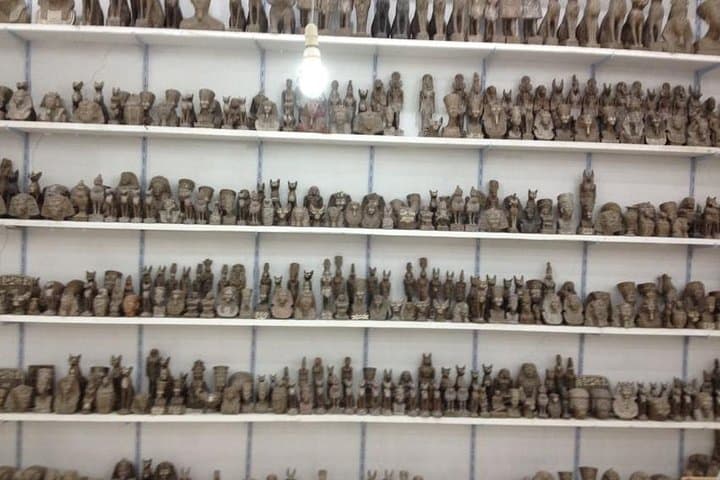
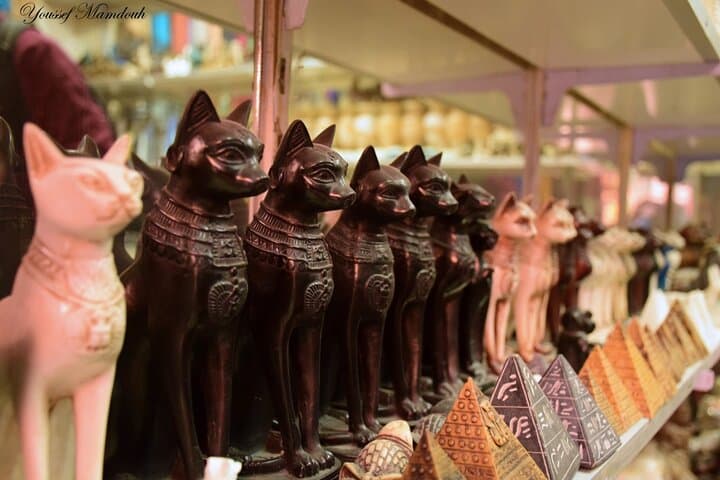
This guided shopping tour moves at the pace of the city: three to four hours of short walks between craft workshops, a stone-cutting yard where blocks give way to reliefs, a papyrus atelier where layered reeds become paper, and herb stalls that still grind oils by hand. Luxor itself sits on the east bank of the Nile, once the core of Thebes; its craft traditions are an offshoot of an economy that served temples and tombs for millennia.
Geology shows in the stone shops—local limestone and sandstone, hand-cut and polished—and in the papyrus, whose fibers echo the riverbanks that supplied ancient scribes. Cultural notes: cartouches are personalized hieroglyph bands rooted in Pharaonic identity, and many families keep carving techniques in generational workshops.
Practical guidance: the tour lasts about 3 hours 20 minutes with hotel pickup and drop-off in an air-conditioned vehicle. Expect gentle walking on uneven shop floors and short stands where bargaining is normal; vendors accept cash and some take cards but small change is preferred. Carry sunscreen and a hat—the sun is an active negotiator here.
Leave with a custom cartouche, a sheet of papyrus, and a clearer sense of how traditional crafts still plug into modern Luxor—supporting small workshops is the best way to keep them alive.
easy.
3–4 hours.
Light walking ability; suitable for most travelers who can stand and walk short distances.
Yes—this private tour includes hotel pickup and drop-off in an air-conditioned vehicle within Luxor city limits.
Some larger shops accept cards, but most artisan stalls prefer cash; bring small denominations for convenience.
Papyrus is made locally from papyrus reed; workshop demonstrations show the traditional process—ask for certificates if authenticity is important.
Yes—polite bargaining is normal and part of the shopping culture; vendors typically expect a reasonable counteroffer.
Luxor sits on the site of ancient Thebes; many local crafts grew from services that supplied temples and tomb-works, keeping Pharaonic techniques alive in civilian workshops.
Choose workshops that employ local artisans and minimize plastic; supporting family studios helps preserve traditional techniques and reduces the pressure to industrialize craft production.
NORTH AFRICAN SHIPPING AND TOURISM COMPANY (NASCO TOURS) operates guided outdoor trips and adventures with an emphasis on safety, stewardship, and memorable experiences.
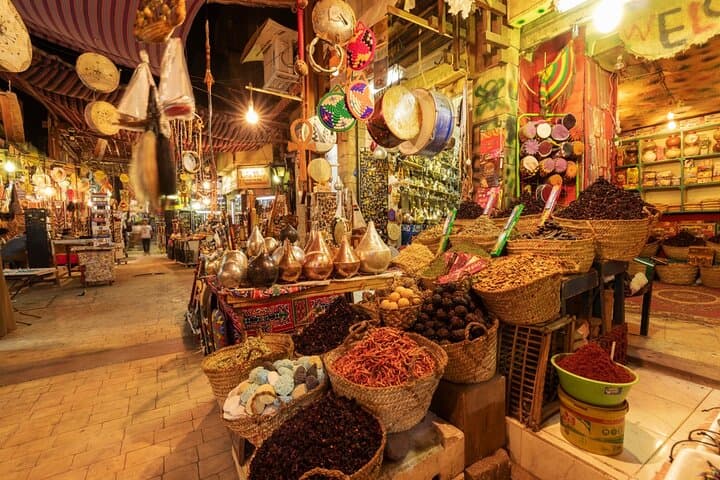
You step out of the hotel into a slow-moving current of heat and conversation—camel hair rugs, the clink of chisels, and the citrus scent of herb shops drawing you down the corniche toward the old market.
You step out of the hotel into a slow-moving current of heat and conversation—camel hair rugs, the clink of chisels, and the citrus scent of herb shops drawing you down the corniche toward the old market.
This guided shopping tour moves at the pace of the city: three to four hours of short walks between craft workshops, a stone-cutting yard where blocks give way to reliefs, a papyrus atelier where layered reeds become paper, and herb stalls that still grind oils by hand. Luxor itself sits on the east bank of the Nile, once the core of Thebes; its craft traditions are an offshoot of an economy that served temples and tombs for millennia.
Geology shows in the stone shops—local limestone and sandstone, hand-cut and polished—and in the papyrus, whose fibers echo the riverbanks that supplied ancient scribes. Cultural notes: cartouches are personalized hieroglyph bands rooted in Pharaonic identity, and many families keep carving techniques in generational workshops.
Practical guidance: the tour lasts about 3 hours 20 minutes with hotel pickup and drop-off in an air-conditioned vehicle. Expect gentle walking on uneven shop floors and short stands where bargaining is normal; vendors accept cash and some take cards but small change is preferred. Carry sunscreen and a hat—the sun is an active negotiator here.
Leave with a custom cartouche, a sheet of papyrus, and a clearer sense of how traditional crafts still plug into modern Luxor—supporting small workshops is the best way to keep them alive.